2 female coworkers smiling together in a recruitment meeting about cultural fit and flexibility

The key to attracting talent: Why cultural fit and flexibility should be important elements of your recruitment strategy

2023-01-25T16:04:00Z

The Workplace

Introduction

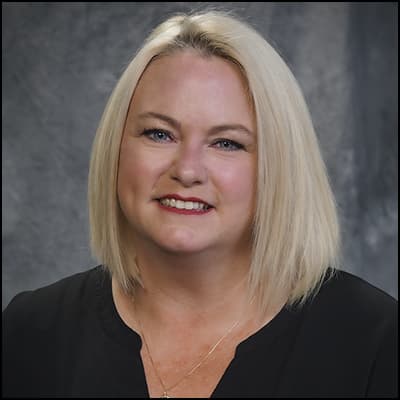
Jennifer Folkes, Mining Recruitment Manager for Brunel Canada, tells us all about the growing importance of flexible work arrangements and cultural fit at the workplace.

Hi, Jennifer! You started working at Brunel Canada in June 2021. Tell us more about your role as Recruitment Manager. 

That’s right, I initially started as Senior Recruiter and then, not long after, I was given the title of Recruitment Lead. And in May of 2022, I became Recruitment Manager for the Mining and Energy team, which currently consists of four recruiters and myself. In terms of my day-to-day activities, I manage three accounts and am responsible for finding and recruiting candidates for their vacancies. And, of course, I supervise my team of recruiters and report on their performance.   


Even though you just recently joined Brunel, you’re not new to the recruitment world, are you? 

No, not at all. Before coming to Brunel, I had been working in recruitment for over ten years with another company, and I moved up the ranks there as well. 


That’s a long time! What prompted you to change jobs and join Brunel? 

Well, I was at a point where I wanted the opportunity to grow my career and I wasn’t seeing this opportunity with my previous employer. Joining Brunel felt like the right move for me as the business seemed to be busy and growing. In retrospect, it was the best decision I could’ve made, because what I was told about the people and the company culture was absolutely true.

Explore related vacancies

Integrated Pest Management Consultant

Location: Niagara or Leamington

Branche: Food Production

Expertise: Marketing & Sales

Experience: 3 years

Responsibilities Field & Crop Monitoring Conduct regular greenhouse inspections to monitor pest, disease, and beneficial insect activity. Identify pest species and life stages using field guides, keys, and microscopes. Assess crop health and evaluate potential pest impact. Map scouting data and produce detailed reports for growers. IPM Strategy Development Develop tailored IPM programs based on grower needs and crop conditions. Recommend biological control agents, cultural practices, and non‑chemical solutions. Interpret data from IPM Scouts and translate findings into financial risk assessments. Forecast biological control needs for clients. Grower Support & Training Provide training to growers and staff on IPM practices and beneficial insect use. Conduct on‑site demonstrations, workshops, and educational sessions. Offer ongoing support to ensure successful implementation of IPM strategies. Meet weekly with growers and IPM leads to review progress and challenges. Collaboration & Continuous Improvement Work closely with R&D teams to stay updated on new pest management solutions. Assist with trials conducted at greenhouse facilities. Participate in industry events and networking opportunities. Track infestations back to their source and recommend remediation practices. Relationship Building Build strong rapport with Head Growers, Assistant Growers, IPM Managers, and Scouts. Communicate preventative measures such as banker plants, trap plants, conservation strategies, and biocontainment. Support growers in making financially sound decisions regarding pest management.

CMC Regulatory Consultant

Location: Hamilton

Branche: Pharmaceuticals

Expertise: Planning & Testing

Experience: 4 years

Responsibilities Serve as the CMC regulatory point of contact for global Health Authority Questions (e.g. FDA, EMA, MHRA, PDMA, other regions as applicable). Train on the company's ERV/Veeva Vault system and manage HAQ responses within the ERV system Coordinate HAQ response development across internal technical teams. Track HAQs, response timelines, commitments, and dependencies to ensure on-time, high-quality submissions. Interpret and apply global/regional CMC regulatory guidelines and regulations. Review SME-drafted HAQ responses for regulatory appropriateness, clarity, consistency and alignment with regional CMC expectations. Extract and summarize scientific information from development reports and identify details required for regulatory submissions. Organize data to support the group's function with answering questions, information request from regulatory agencies such as the FDA, Health Canada or EMEA (including relevant country specific authorities). Advise SMEs on how to frame technical data and rationales to meet Health Authority expectations.

Chef de projets II

Location: Montréal

Branche: Food Production

Expertise: Planning & Testing

Experience: 4 years

Responsabilités Diriger l'ensemble du cycle de vie des projets, de la planification à la clôture, selon les systèmes internes de gestion de projets et les meilleures pratiques. Livrer les projets dans les délais, selon les spécifications et le budget, tout en suivant les indicateurs de performance (KPI). Gérer les budgets de projets, analyser les coûts estimés versus réels et expliquer les écarts techniques ou financiers. Agir comme principal point de contact avec les clients et maintenir des relations solides avec les parties prenantes. Préparer des devis, rédiger des propositions et soutenir les discussions techniques et commerciales. Exécuter et gérer les demandes de modification en conformité avec les ententes contractuelles et les procédures internes. Élaborer les plans de dotation et identifier les besoins en ressources internes et externes. Organiser et animer les réunions de projets (réunions de lancement, suivis hebdomadaires, jalons). Réviser les calculs d'ingénierie, dessins, schémas de tuyauterie et descriptions fonctionnelles. Coordonner les livrables inter-départements (revues de conception, P&ID, modèles 3D) afin de respecter les échéanciers. Collaborer étroitement avec la chaîne d'approvisionnement afin d'assurer l'alignement des commandes et des échéanciers. Superviser la fabrication en atelier et l'installation sur site lorsque requis. Organiser et faciliter les tests d'acceptation (FAT, SAT, simulations et qualifications). Superviser les mises en service et approuver les protocoles de réception. Compléter les activités de clôture de projet incluant la documentation de transfert et les KPI finaux. Préparer et présenter les rapports d'avancement à la direction. Assurer le respect des normes de Sécurité, Qualité et Productivité tout au long du projet.

Clinical Marketing Manager

Location: Mississauga

Branche: Medical devices

Expertise: Marketing & Sales

Experience: 4 years

Responsibilities * Lead lifecycle planning for diabetes care products (pre-launch, launch, postlaunch). * Partner with cross-functional teams to develop and refine clinical messaging and product positioning. * Translate clinical and market insights into actionable marketing strategy and launch support. * Build relationships with healthcare professionals, leading clinicians, medical societies, and other clinical stakeholders. * Gather feedback from the medical community and create insight loops to guide marketing direction. * Support medical education initiatives, speaker programs, and clinical advocacy development. * Create and review scientific materials (presentations, slide decks, speaker content) to ensure accuracy and compliance. * Monitor trends and competitive activity, and collaborate with Medical Affairs, Regulatory, and Global teams on strategic initiatives

Brunel's Mining and Energy Recruitment Manager Jen Folkes

Jennifer Folkes

Recruitment Manager for Brunel Canada

Jennifer says that with today’s talent pool shortage affecting many sectors, candidates can cherry-pick the roles that suit them best.

What exactly were you told, and how would you define Brunel’s culture now that you’re a part of the company? 

So, you know the “passion for people” hashtag that is used everywhere? Those words are not just fluff. What I’ve experienced is that senior leadership really takes time to listen to the needs of its employees and makes sure that people stay engaged, motivated and happy in their jobs – regardless of whether that’s just accomplished by providing ongoing workforce training or by helping with a personal issue. So, I do feel like everybody – from senior stakeholders to recruitment to the back-office operations – really stands by this slogan. 


Given your extensive experience in the recruiting industry, have you witnessed any major changes in the business in the last few years? 

In general, the recruitment cycle changes frequently as economic fluctuations have a direct impact on the recruiting market. Sometimes clients run the show and sometimes it’s the candidates. With today’s talent pool shortage affecting many sectors, candidates can cherry-pick the roles that suit them best, which puts recruiters in a tough spot. Apart from that, I would say that the entire recruitment process has changed drastically due to Covid-19. 


How so?

Obviously, video interviews and virtual recruitment processes have become the norm. But I’ve also seen an increased focus on cultural fit. A few years back, the questions I was asked were along the lines of: “How much are they paying me and what am I supposed to be doing?” and not necessarily about: “Will I be happy in this job?” or “Am I going to fit in?”. Nowadays, I have the conversation about company culture and workplace flexibility with candidates every day. So, for us as a recruitment agency, we must ensure that we know all about the company culture of the clients we are supporting. Also, we have to be able to advise specialists on whether they’ll fit in with a hiring company’s values and culture.   


You just mentioned workplace flexibility. I can imagine that candidates demand flexibility more than ever in the post-pandemic business world?

Absolutely! This is why it is crucial for organizations to implement flexible work models such as hybrid work, remote work and part time. And I feel like Brunel is one of the companies that has really embraced the remote work culture. I’m actually a remote worker myself, and my entire team is spread from Calgary to Newfoundland. Even so, I should say that not all workers have remote-capable positions. Especially in some of the industries Brunel works in, working from home is simply not possible due to the nature of engineering work. 


What are your tips on successfully managing remote teams? 

First, you must demonstrate that you trust your staff. That is fundamental to any successful experience of working from home. Second, effective communication and collaboration are key to enhance productivity. Video calls with individual team members usually happen daily, but formal meetings between our mining and energy group, for instance, happen twice a week. And with new hires or junior recruiters, it is important to make sure they get the chance to sit in with you on a (video) call. 



Share this article