Oil & Gas Recruitment and Workforce Solutions
Learn more

Learn more
In today's oil and gas environment, project success depends on more than capital investment, technology, or market conditions. From major capital projects and facility expansions to maintenance turnarounds and commissioning activities, organizations are under constant pressure to deliver safely, efficiently, and on schedule. As project demands accelerate and workforce availability becomes increasingly competitive, ensuring access to the right expertise at the right time has become a critical factor in maintaining operational performance and achieving business objectives.
If a project, turnaround, or production target is tied to hard dates, the practical question becomes: what workforce plan prevents critical workforce gaps and reduces the risk of costly project delays and reactive hiring?
50 years of experience recruiting top talent for oil & gas.
Brunel successfully delivers global workforce solutions to every phase of a project’s lifecycle. We've been doing it since 1975.
The oil and gas industry faces unprecedented challenges. With increased pressure, regulations and price volatility, the industry needs more flexibility and expertise than ever.
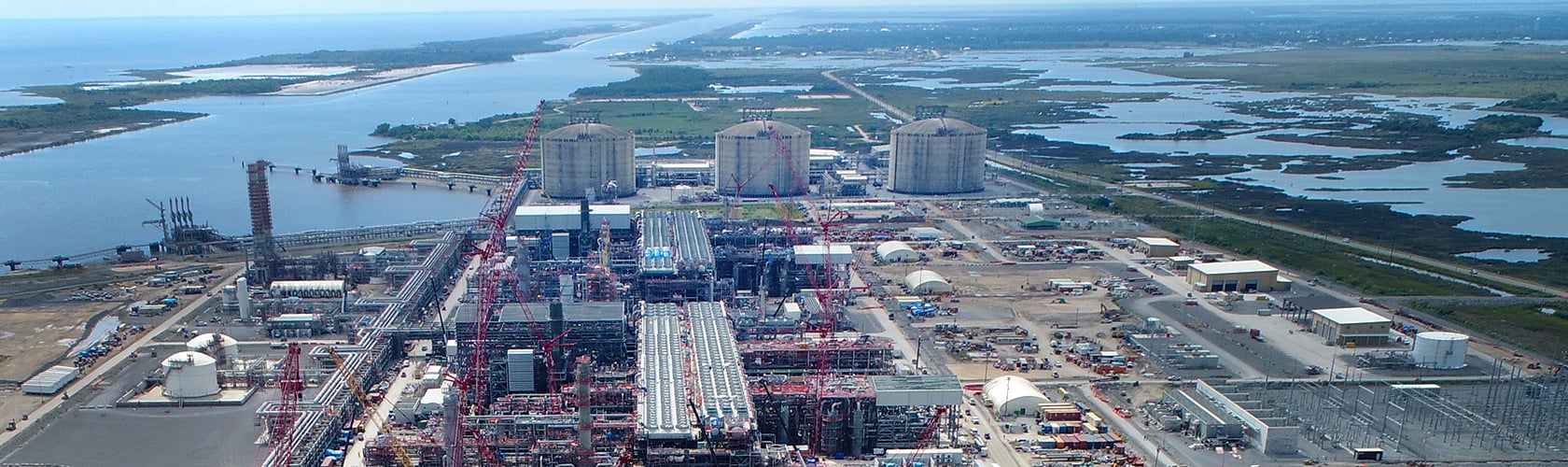
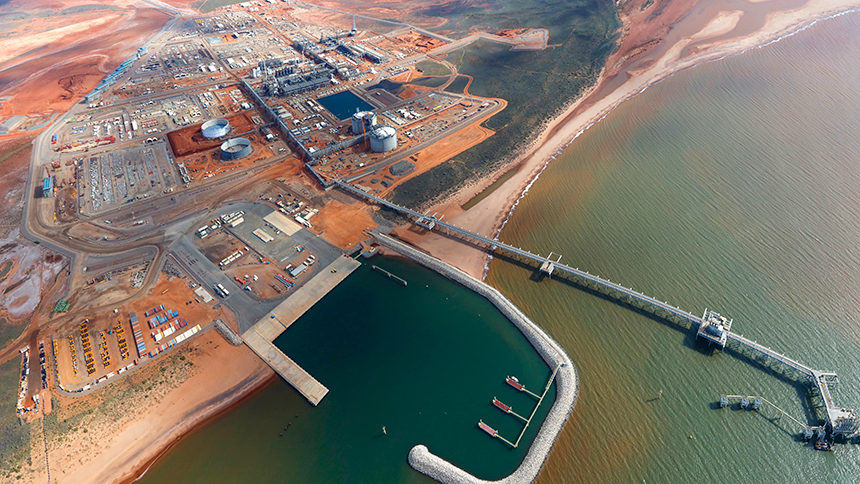
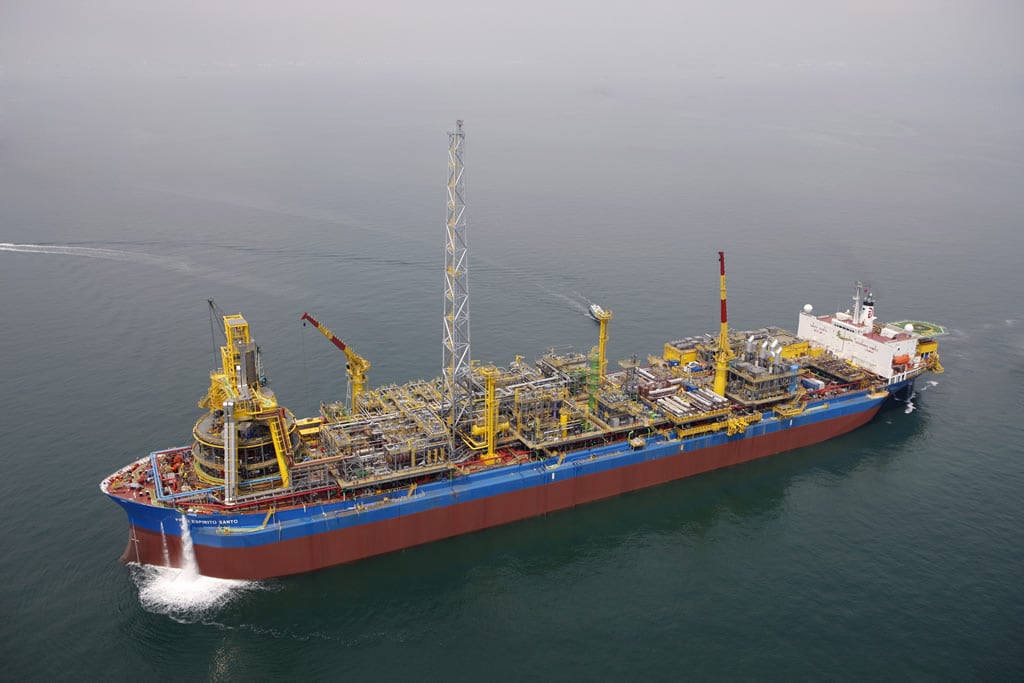
Brunel successfully delivers global workforce solutions to every phase of a project’s lifecycle. At Brunel, we face challenges head on with tailored workforce services and solutions across every sector of the industry including Upstream, Midstream/LNG, Downstream, Chemicals, and Liquefied Natural Gas (LNG) projects. We provide what your oil & gas project needs to get ahead.
Continents
Countries
Offices
Specialists
Workforce demand is being shaped by overlapping workstreams: sustaining and optimizing production, modernizing legacy infrastructure, executing large-scale EPC and capital projects, and advancing lower-carbon initiatives. These programs often pull from the same talent pools, particularly in project controls, electrical and instrumentation, automation, reliability, process safety, and commissioning leadership.
Several forces are consistently raising the difficulty of oil and gas recruitment:
In this environment, "time-to-fill" is not an HR metric, it's a project and operations risk indicator.

Our deep industry knowledge and proven delivery make Brunel a trusted partner in the oil and gas sector. See how we help clients overcome complex workforce challenges.
Explore our Projects
Workforce gaps rarely show up as a single missing requisition. They show up as downstream impacts: incomplete work packs, delayed turnover documentation, bottlenecks at systems handover, rework from quality escapes, or increased overtime and contractor churn. The operational cost can include lost production opportunity, extended outage durations, liquidated damages exposure, or safety risk from over-extended supervision.
Where gaps tend to create the highest exposure:
Once a project is in motion, replacing capability is typically slower and more expensive than preventing the gap in the first place, especially for roles that require specific asset exposure (LNG, refinery units, offshore facilities) and site readiness.
Workforce planning becomes effective when it is tied to delivery milestones, not to org charts. The goal is to identify which roles gate progress, how early they must be mobilized, and what "site-ready" means in practice for each location.
Hiring demand changes as projects move from FEED to detailed engineering, procurement, construction, commissioning, steady-state operations, and eventual decommissioning. A staffing plan should anticipate those transitions and include ramp-up/ramp-down timing so the organization is not forced into reactive hiring during the most expensive windows.
In offshore, remote, and high-hazard environments, start dates depend on more than acceptance. Certifications, medicals, training, background checks, travel logistics, and site access can extend timelines. Treat these steps as part of the plan, especially when commissioning or turnaround dates are fixed.
Most delivery risk concentrates in a small set of positions. Examples include commissioning managers and system owners (handover), turnaround planners and schedulers (work packaging), project controls leads (forecast discipline), HSE leadership (site standards), and QA/QC and completions coordinators (documentation and quality gates). These are the roles that should be prioritized early, even when the broader headcount plan is still being finalized.
Successful hiring in energy is not just about sourcing volume; it's about reducing hiring risk and improving decision speed across multiple stakeholders. Whether working with internal TA, oil and gas recruitment agencies, or oil and gas recruiting firms, the most reliable approach tends to share a few characteristics.

Misalignment between engineering, construction, operations, procurement, and HR slows hiring and increases false starts. Clear definitions of scope, interfaces, decision authority, and non-negotiables (asset exposure, rotations, certifications) reduce interview churn and offer rework.

Comparable experience matters: refinery turnaround leadership is different from greenfield construction; LNG pre-commissioning differs from steady-state operations; brownfield tie-ins differ from modular fabrication yards. Screening should validate the environment the candidate has actually performed in, and the governance systems they're used to following.

Many hard-to-fill energy roles won't be solved through postings alone. Proactive market mapping, by asset type, contractor ecosystem, and geography, creates realistic options earlier, which improves offer acceptance and reduces schedule panic.

Time-to-mobilize improves when rate bands, interview panels, and approval steps are defined before requisitions go live. This is often the difference between a controlled ramp-up and a late-stage scramble.
Partner selection often comes down to fit with your environment. The same title can mean different things across offshore operations, LNG megaprojects, refinery turnarounds, petrochemical expansions, pipeline spreads, and terminals. What matters is familiarity with the operating system: HSSE expectations, documentation and completions discipline, permit-to-work rigor, and the pace of field execution.

Discover our expertise in this subsector of conventional energy. Our recruitment specialists in the Americas are ready to help you exceed your goals!
Vistit LNG Service Page
At the evaluation stage, decision-makers are typically comparing oil and gas recruiters and selecting the right oil and gas recruiter on three things: speed to a credible shortlist, confidence that hires will be site-ready, and the ability to maintain continuity through changing project conditions. As an oil and gas recruitment agency, Brunel is built to operate in that reality, bringing energy-sector recruiting depth and a structured approach to mobilization and governance.
What differentiates Brunel in the market:
How are oil and gas industry recruitment agencies different from general staffing firms?
Specialized agencies, and a dedicated oil and gas recruitment agency in particular, typically screen for HSSE expectations, documentation discipline, and asset-specific experience (LNG, offshore, refining, petrochemicals), which reduces mobilization failures and early churn.
How can recruiting impact turnaround performance?
Turnarounds are won in planning. Early hiring of planners, schedulers, and coordinators improves work packaging and materials readiness, reducing emergent work and schedule creep during execution.
How do oil and gas recruitment companies improve speed to mobilization?
Speed improves when role requirements and approvals are pre-aligned, screening validates site readiness, and mobilization steps (certs, medicals, access, travel) are managed as part of the hiring plan.
How does contract staffing differ from direct hire recruitment?
Contract staffing is used for defined scopes and execution peaks; direct hire recruitment builds long-term capability in operations, reliability, integrity, and leadership positions.
What are MSP and RPO programs in oil and gas recruiting?
MSP programs govern large contractor populations across suppliers and sites; RPO programs add dedicated recruiting capacity and consistent process for sustained hiring demand.
What do oil and gas recruiters do?
Oil and gas recruiters source and assess candidates for project and operating roles, with screening focused on comparable asset experience, site readiness, and execution context, not just a skills list. An oil and gas recruiter partners with project leadership to calibrate requirements and verify site readiness.
When is Employer of Record (EOR) useful in energy hiring?
EOR is useful when talent must be engaged in-country without a local entity or where employment compliance is complex, reducing misclassification risk and administrative burden.
When should companies use oil and gas recruitment agencies?
Oil and gas recruitment agencies are commonly used when roles are time-sensitive, tied to capital projects or turnarounds, require passive-candidate outreach, or when internal recruiting capacity is constrained.
Which roles are most schedule-critical on EPC and capital projects?
Schedule risk often concentrates in project controls, completions and commissioning leadership, construction supervision, QA/QC, and HSE coverage, roles that gate turnover, readiness, and safe execution.
[Brunel's services] have ensured that we have the staffing required to keep the facilities staffed with highly qualified personnel. Their attention to details and frequent communication with not only myself but the contractors has been very valuable in ensuring the needs of the company and contractor are met.
Instrument and Electrical Supervisor
Major Global Operator
Improving recruitment isn't the objective, improving delivery is. When hiring is aligned to milestones and governed consistently, organizations typically see outcomes in four measurable areas.
Project delivery certainty
Fewer schedule-critical vacancies and fewer late substitutions help protect commissioning dates, turnaround durations, and construction sequencing.
Reduced hiring risk
Environment-aware screening and disciplined mobilization reduce the likelihood of early attrition, site-access failures, and compliance issues that create rework.
Workforce continuity
Stable teams maintain productivity through transition points, construction to commissioning, commissioning to operations, and multi-phase capital programs.
Recruiting efficiency
Clear governance, calibrated requirements, and proactive mapping reduce cycle time and stakeholder friction, supporting faster decisions and higher offer acceptance.
If your next 6-18 months include a commissioning window, a turnaround cycle, a capital project ramp-up, reliability and integrity hiring, or a production expansion plan, then waiting to recruit until the schedule is already compressed usually increases cost and reduces options.
Location: Wien
hrs a week: 38.5 hrs a week
Closing: March 13, 2027
Location: Wuppertal
hrs a week: 40 hrs a week
Closing: January 23, 2027
Location: Wuppertal
hrs a week: 40 hrs a week
Closing: January 23, 2027
Location: Wien
hrs a week: 38 hrs a week
Closing: January 10, 2027