The Future of Work for the Offshore Oil Rigger
March 19, 2026
Oil and Gas
Oil and Gas
Offshore oil rigs remain central to global energy, while rapid advances in automation, AI, and digital monitoring are transforming daily work, skills requirements, and safety. Demand for skilled workers persists, with roles shifting toward supervising smart systems, data analysis, and maintenance of advanced equipment. At the same time, sustainability efforts, hybrid platforms, emissions reductions, and greener procedures aim to balance energy security with environmental stewardship. Despite price volatility and regulatory pressures, innovation points to a future that is safer, more efficient, and opportunity-rich for adaptable workers.
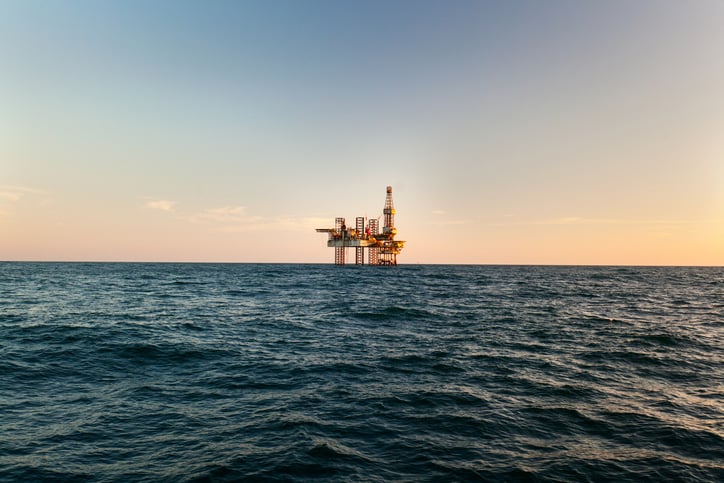
Offshore oil rigs are vital to the global energy landscape. They extract a significant portion of the world's oil supply. These massive structures are engineering marvels, standing tall in the open sea. For any offshore oil rigger, these platforms define a demanding but rewarding workplace.
The future of offshore oil rigs is a topic of great interest. Technological advancements are reshaping the industry. Automation and AI are becoming integral to operations. This evolution changes how oil platform workers work on the rigs each day, redefining routines and responsibilities.
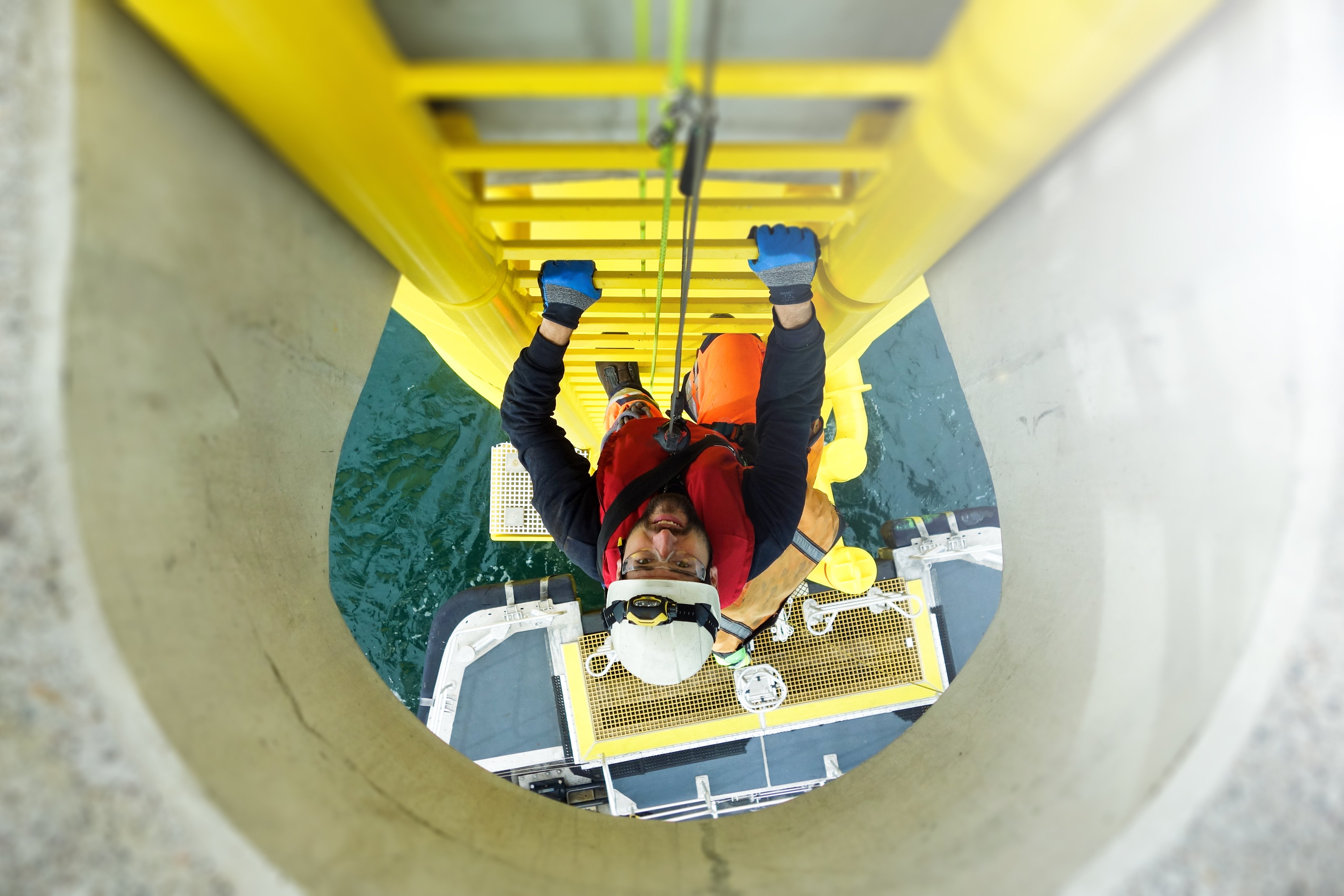
Oil platform workers are adapting to these changes. Their roles are evolving with new technologies. The demand for skilled workers remains strong. From drilling oil rig workers to an offshore oil platform worker overseeing digital systems, upskilling is essential.
Safety is a top priority on offshore rigs. Because working on an offshore oil rig can be hazardous, continuous improvements in protocols and equipment are essential. Worker wellbeing is also a focus.
Environmental concerns are influencing offshore operations. For oil workers, these shifts mean adopting greener procedures and equipment. The industry is moving towards sustainable practices. This shift is crucial for future viability.
Offshore oil rigs face challenges like fluctuating oil prices. Yet, they remain crucial for energy security. The industry is exploring innovative solutions.
The future holds exciting possibilities for offshore oil riggers. For the individual offshore oil rigger, hybrid platforms and digital transformations are on the horizon. The journey ahead is promising and dynamic.
Offshore oil rigs play a pivotal role in meeting the world's energy needs. These colossal structures ensure a steady supply of oil. They contribute significantly to global energy production. Oil extracted from offshore rigs fuels economies worldwide. It supports industries, transportation, and daily life. The impact of offshore oil rigs is vast and multifaceted.

Despite the growing adoption of renewable energy, global oil demand continues to persist. Offshore drilling plays a vital role alongside onshore extraction, together supporting the world’s ongoing energy needs. The strategic importance of offshore oil rigs cannot be overstated. Their ability to reach deep-sea reserves unlocks new opportunities for energy exploration that would otherwise remain inaccessible.
Looking ahead, the future of offshore oil rigs remains dynamic. While environmental pressures are increasing, these assets continue to be essential to the energy landscape. Ongoing innovation will be key to ensuring their continued relevance in a changing energy sector.
Offshore oil rigs have dramatically evolved since their inception. Initially, these structures were rudimentary and close to shore. Today, they stand as marvels of engineering, reaching distant ocean depths.
The early rigs were limited in technology and capacity. As demand for oil grew, so did the need for innovation. This drive pushed rigs further into the ocean, exploring untapped reserves.
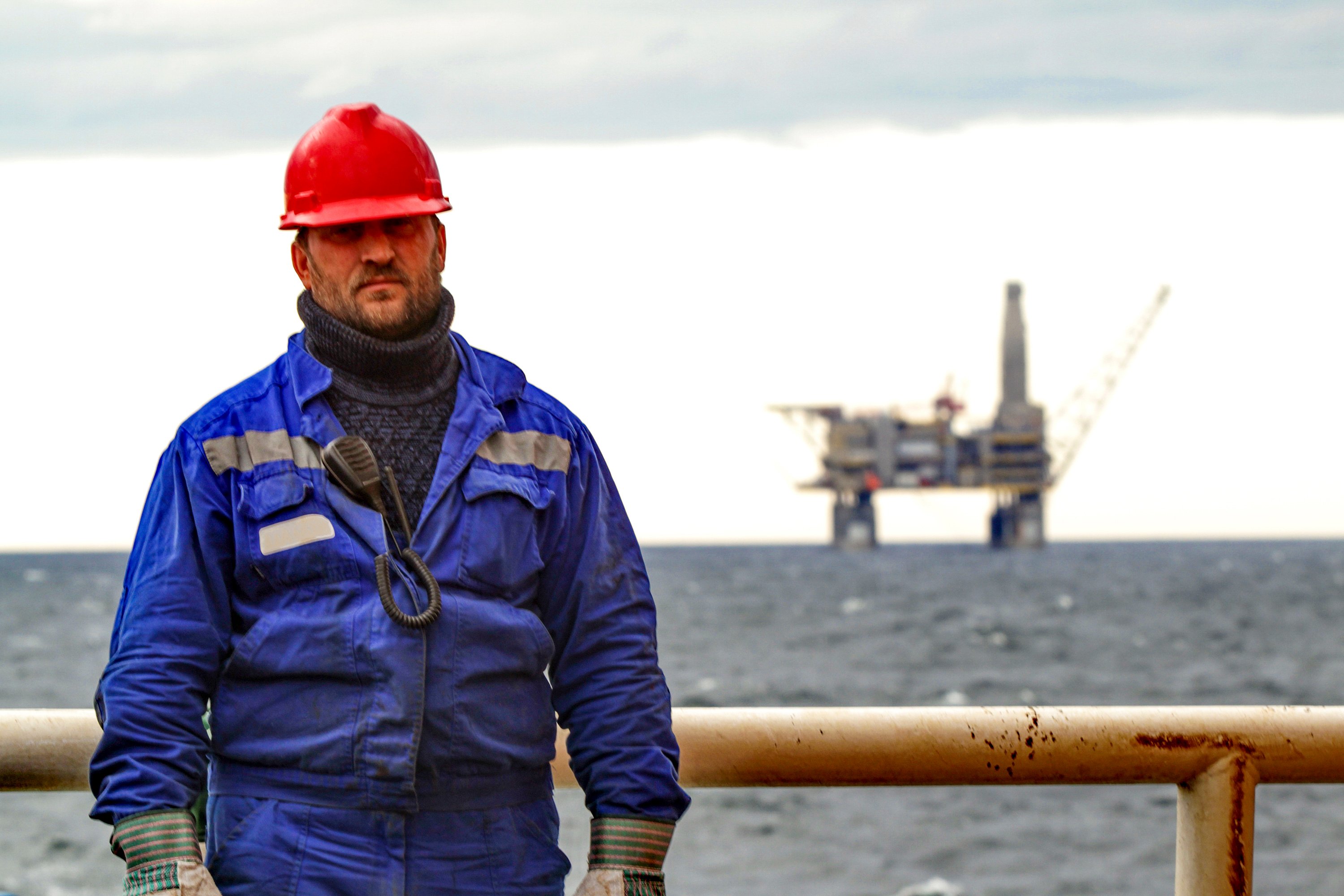
Advances in offshore technology have made oil rigs safer and more efficient than ever. Automation and remote systems have reduced human risk while helping modernize operations across the industry.
Today’s offshore rigs go beyond extraction. They serve as advanced operational hubs, integrating innovative technologies that improve performance and productivity.
As offshore energy continues to evolve, emerging technologies are driving new efficiencies and capabilities. This steady progression reflects ongoing innovation in how ocean-based energy resources are developed and managed.
In recent years, technological advancements have reshaped offshore oil rig operations, improving both safety and efficiency. Modern rigs are now equipped with advanced systems designed to support smarter, more reliable performance.
Automation plays a key role in this evolution, handling repetitive and high‑risk tasks while reducing exposure for human workers. This shift has helped create safer working environments offshore. Drilling methods have also become more precise. Advanced equipment enables access to deeper reserves with greater accuracy, minimizing waste and supporting more sustainable extraction practices.
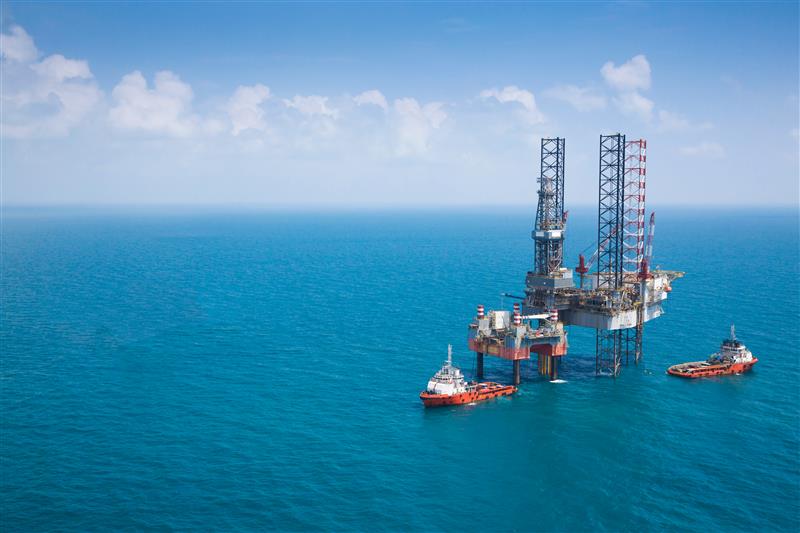
Remote monitoring has become essential to offshore operations, using sensors and visual systems to deliver real‑time insights. This constant data flow enables faster decisions and more effective issue resolution directly on the platform.
Artificial intelligence further strengthens performance by anticipating equipment issues and optimizing maintenance schedules. This predictive approach helps extend the lifespan of critical components while reducing unplanned downtime.
Safety continues to advance alongside these innovations. Enhanced protocols and modern protective technologies are improving worker protection and lowering the risk of incidents.
Together, these developments are driving a more intelligent, connected approach to offshore oil extraction. As technology continues to evolve, offshore platforms are becoming more adaptive, resilient, and prepared to meet future energy demands.
Automation and artificial intelligence are redefining how offshore work is performed. Many traditionally manual tasks are now handled by intelligent systems, improving operational efficiency while strengthening safety standards.
AI-driven platforms continuously evaluate operational data to detect trends and anticipate potential issues. This insight supports proactive maintenance strategies that reduce disruptions and help keep operations running smoothly.
As smart technologies become more embedded offshore, workforce roles are evolving. Human expertise remains essential, with teams focused on oversight, decision-making, and translating AI-generated insights into effective action.

Automation is reshaping offshore roles rather than replacing skilled workers altogether. As technology takes on more operational tasks, offshore professionals are increasingly focused on system oversight, diagnostics, and problem resolution.
Training programs are evolving to support this shift, equipping workers with the skills needed to manage advanced technologies and adapt to modern offshore environments. This transition is redefining oil rig labor roles for a more technology-driven industry. Beyond efficiency gains, AI and automation are supporting safer operations and stronger environmental practices. As these technologies continue to advance, offshore work will further evolve around the integration of human expertise and intelligent systems, ensuring operations remain resilient, responsible, and future-ready.
The offshore oil industry remains vital for global energy needs. Despite technological advances, the demand for skilled workers stays strong. The job market continues to evolve, driven by innovative changes. Offshore rig workers are still essential. Their expertise is necessary for the successful implementation of new technologies. Skilled workers ensure efficient and safe operations.
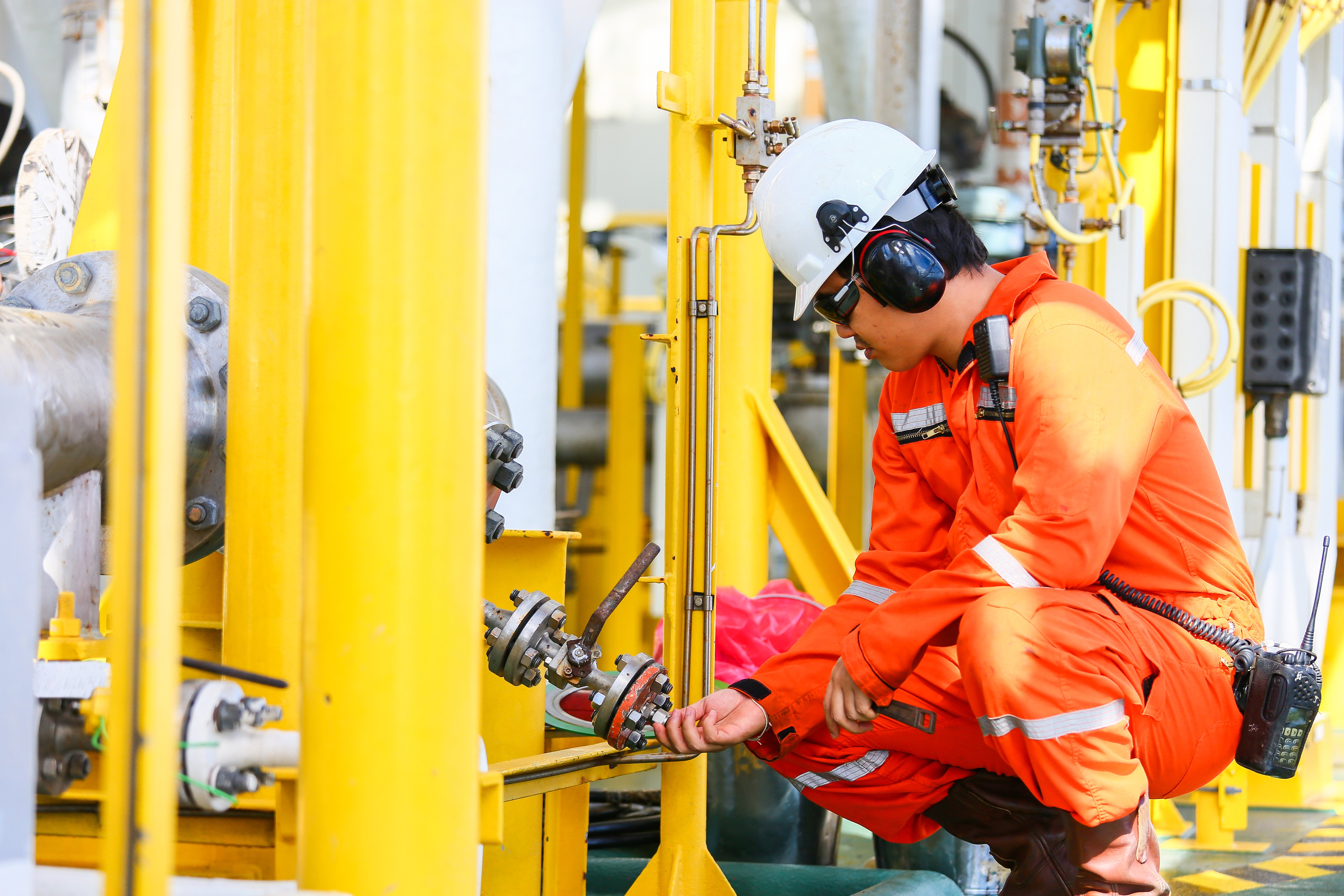
As offshore operations grow more advanced, the career landscape is expanding alongside them. New positions are emerging that combine foundational offshore experience with specialized technical knowledge, reflecting how the industry itself is evolving.
Opportunities now span a wider range of functions, from operational support to analytical and innovation-driven roles. As offshore platforms become more complex, they require professionals who can adapt, think critically, and contribute across disciplines.
This evolution is shaping a future-focused job market with strong potential for professional growth. Offshore workers can pursue long-term careers supported by competitive compensation and advancement opportunities, provided they continue building relevant skills. As the industry moves forward, its success will remain closely tied to the expertise and adaptability of the people who power it.
Building a career as an oil rig laborer starts with focused preparation. Offshore environments present unique operational and safety demands, making a strong understanding of industry standards essential from the outset.
Successful offshore workers combine hands-on ability with technical awareness. Familiarity with equipment, systems, and processes supports sound judgment on the job and enables workers to respond effectively when challenges arise.
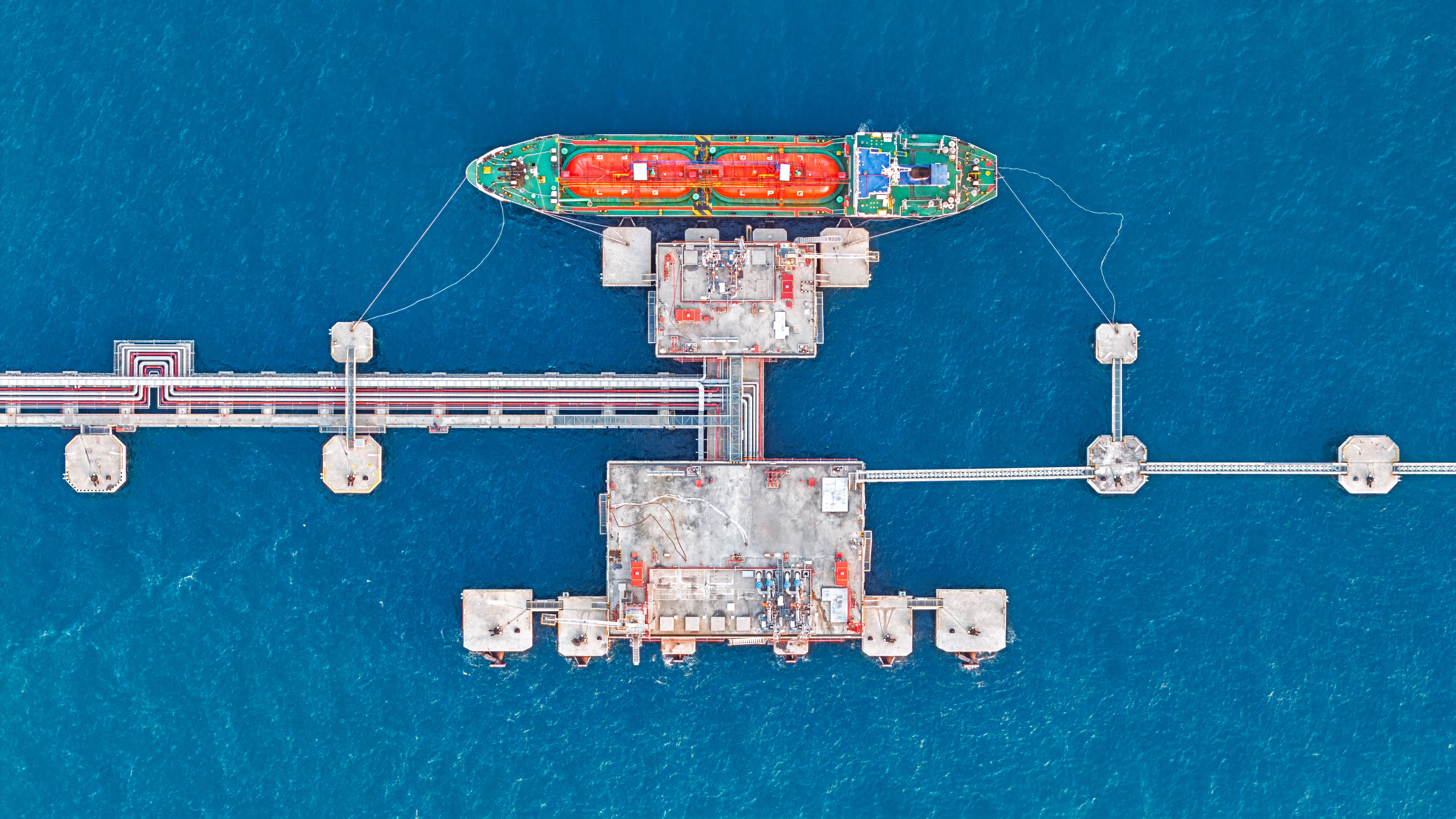
Certification programs play an important role in shaping offshore careers. They provide structured pathways for developing technical knowledge and safety awareness, often reinforced through hands-on, real-world experience.
Career growth in the offshore industry is continuous. Staying current requires ongoing learning through professional courses, workshops, and skills development initiatives. This commitment to growth helps workers remain aligned with industry standards while opening doors to new opportunities. Investing in training supports long-term career stability and broader advancement across offshore roles.
Safety remains a defining priority in offshore operations, where complex environments demand constant vigilance. Ongoing advancements are strengthening how risks are managed and controlled across offshore platforms.
Today’s safety measures extend beyond basic protective gear. Modern equipment and updated protocols are designed to anticipate hazards and support safer day-to-day operations, helping reduce incidents before they occur.
Monitoring systems now play a preventative role, providing early visibility into potential issues and enabling faster responses. By identifying risks sooner, these systems help create more stable working conditions and reinforce a culture of safety across offshore operations.
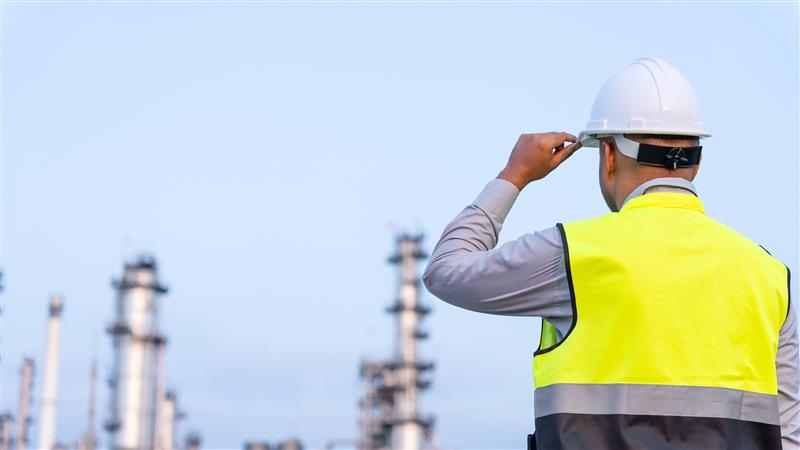
Attention is increasingly turning toward the overall wellbeing of offshore workers, extending beyond physical safety alone. Employers are improving living environments on rigs by enhancing accommodations, amenities, and opportunities for rest and recreation.
Mental health support is also becoming a greater priority, acknowledging the unique pressures of extended offshore assignments. Access to wellness resources and support systems helps address fatigue, stress, and isolation associated with remote work.
By taking a more holistic approach to worker wellbeing, offshore operations are fostering healthier, more engaged teams. This emphasis on both safety and quality of life supports stronger performance, higher job satisfaction, and a more resilient workforce overall.
Environmental responsibility is becoming a central focus for offshore oil rig operations as the industry responds to growing ecological concerns. Protecting marine ecosystems and reducing the impact of offshore activity are now key considerations in how projects are planned and managed.
Evolving regulations are accelerating this shift, driving the adoption of cleaner technologies and lower‑emission practices across offshore platforms. These efforts are helping reduce environmental footprints while supporting more responsible offshore operations.
At the same time, new solutions are shaping the future of offshore energy. Alternative fuels and hybrid platforms that integrate renewable energy sources are gaining momentum, offering pathways to lower emissions and improved sustainability. Together, these initiatives signal a broader move toward balancing energy production with long‑term environmental stewardship.
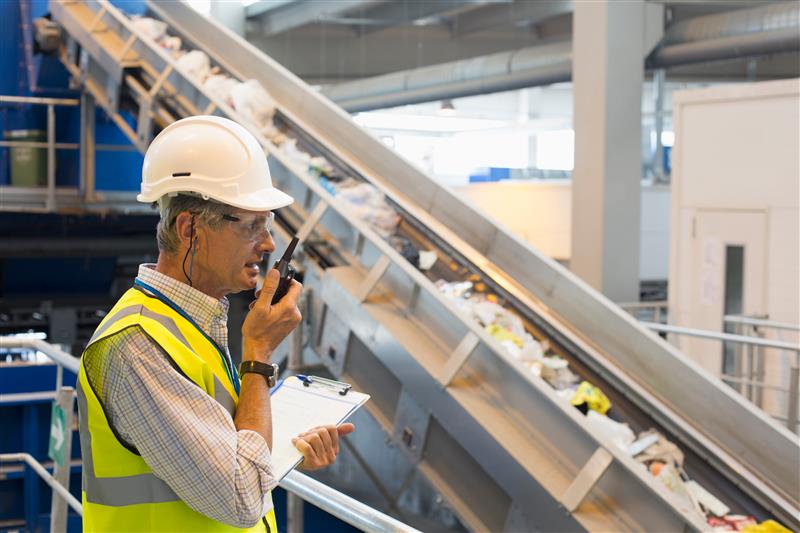
Collaboration between energy producers and environmental organizations is playing an increasingly important role in shaping the future of offshore operations. These partnerships support the development of more responsible practices, blending technological progress with conservation-focused strategies.
The long-term viability of offshore oil rigs depends on maintaining this balance between energy production and environmental care. By aligning innovation with stewardship, offshore platforms can continue contributing to global energy needs while operating within a more sustainable framework.
The offshore oil industry is entering a new phase of development, driven by platforms that combine conventional energy systems with renewable sources. Hybrid designs are helping improve operational efficiency while reducing overall dependence on traditional fuels.
At the same time, digital systems are changing how offshore rigs are managed. Advanced platforms consolidate operational data and provide real-time visibility, allowing teams to respond faster and make more informed decisions. Together, these innovations are shaping a more adaptive and connected offshore operating model.

As offshore operations continue to modernize, AI-driven systems and remote oversight are becoming standard practice. These capabilities limit the need for personnel in high‑risk areas, allowing offshore workers to focus on coordination, analysis, and higher‑impact responsibilities that drive productivity.
This shift is defining the next generation of oil rigs. Through the integration of hybrid energy solutions and digitally connected systems, the industry is laying the groundwork for long-term sustainability. Together, these advancements are shaping offshore operations that are safer, more efficient, and better equipped for the future.
The offshore oil industry is entering a period of meaningful change, shaped by advancing technology and evolving expectations. Automation, AI, and digital systems are redefining how work is performed offshore, prompting oil rig workers to expand their skill sets and adapt to new responsibilities. Success in this environment increasingly depends on flexibility, technical awareness, and a willingness to learn.
As offshore roles continue to evolve, workers are engaging more closely with advanced systems that support safer, more connected operations. Improved safety standards, enhanced communication tools, and smarter workflows are helping create more secure and efficient working conditions—benefiting both individuals and the industry as a whole.
At the same time, environmental responsibility is becoming central to future progress. Investments in cleaner technologies, renewable integration, and more efficient drilling practices reflect a broader commitment to reducing environmental impact while meeting global energy needs.
Looking ahead, offshore oil riggers will remain essential contributors in a rapidly changing landscape. For those prepared to adapt, opportunities exist across technical, operational, and leadership pathways. With innovation and sustainability guiding the industry forward, the future of offshore energy is complex—but full of potential for a skilled and forward‑thinking workforce.