Exploring Career Opportunities in Offshore Oil Rigs
January 16, 2026
Oil and Gas
Oil and Gas
Offshore oil rig careers span technical, operational, and support roles, offering competitive pay, rotational schedules, and exposure to cutting-edge technology. Work is demanding, long shifts, remote living, and harsh conditions, so rigorous safety training and certifications (e.g., BOSIET) are essential. Candidates succeed by tailoring applications, networking, and pursuing job-specific credentials, while ongoing learning supports advancement amid trends in automation and sustainability. Life onboard fosters strong teamwork and community, balancing challenges with unique growth and adventure opportunities.
Offshore oil rig jobs offer unique career opportunities. These roles are vital to the global energy supply chain. They provide a chance to work in dynamic environments. The industry is diverse, with roles ranging from engineering to culinary positions. Each job requires specific skills and training. This diversity makes it appealing to many job seekers. Working on an offshore oil rig can be challenging. It involves long shifts and time away from home. However, the rewards often include competitive salaries and benefits. Safety is a top priority in this field. Rigorous protocols and training ensure a secure working environment. This focus on safety is crucial given the demanding nature of the work. For those seeking adventure and career growth, offshore oil rigs present exciting possibilities. They offer a unique blend of challenges and rewards.
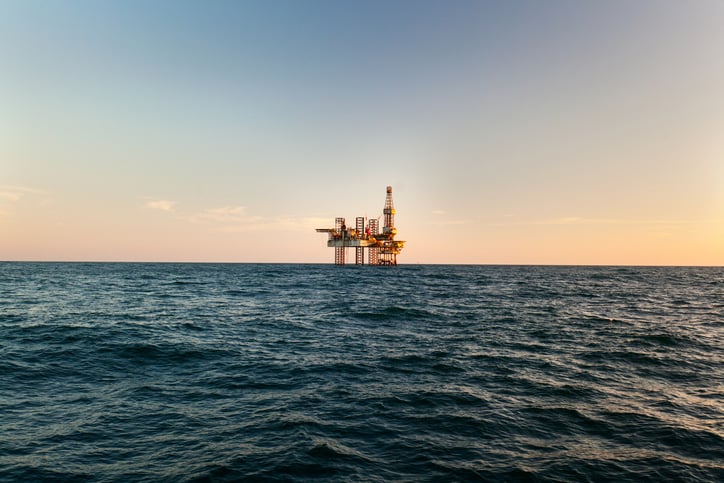
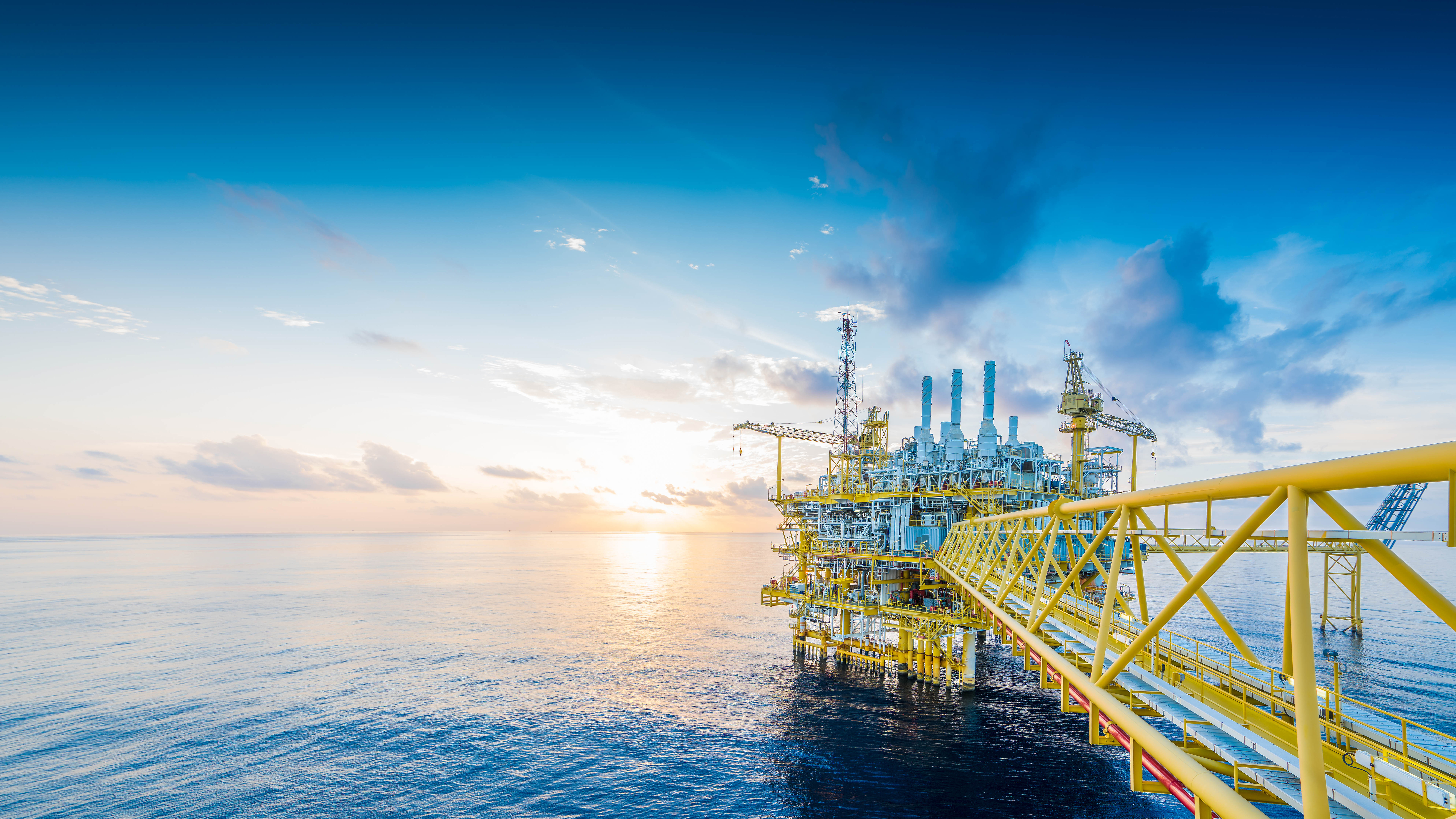
Offshore oil rig jobs are an essential part of the oil and gas industry. These positions help extract and produce oil and gas from beneath the ocean floor. They play a key role in meeting global energy demands. The rigs themselves are engineering marvels. They operate in challenging environments such as deep water and remote locations. Despite the distance from land, they are equipped to function as self-sustaining units.
A variety of roles are required to maintain operations on an oil rig. These roles include technical, operational, and support positions. Each position is crucial to the success and safety of the rig's operation. Working offshore can lead to exposure to cutting-edge technology. It offers insights into the oil extraction process. This exposure is invaluable for professionals seeking to advance in the energy sector.
Offshore oil rigs offer a wide range of job opportunities. Each role plays a pivotal part in ensuring the smooth functioning of the rig. From technical to support positions, every job is essential. Among the key roles are drillers and roustabouts. Drillers operate the drilling equipment, ensuring precise extraction processes. Roustabouts support the crew by maintaining the rig and handling equipment. Engineering positions are also critical. Engineers troubleshoot issues and ensure that machinery runs efficiently. Geologists analyze rock formations to guide drilling operations. Safety officers are indispensable, prioritizing the crew's well-being. They enforce safety protocols and oversee emergency preparedness. Medical staff are also present to provide health care when needed. Support roles include chefs and hospitality staff. They ensure the crew's comfort with nutritious meals and clean-living spaces. These roles are fundamental in keeping morale high.
.jpg?h=3024&iar=0&w=4032)
Each role contributes uniquely to a rig's operation. Together, these diverse positions form a cohesive workforce, tackling the challenges of offshore extraction. The dynamic environment encourages problem-solving and teamwork.
How much do offshore oil rig jobs pay:
Offshore oil rig salaries vary widely based on role, experience, and location. Entry-level positions like roustabouts typically earn $45,000–$65,000 per year, while mid-level roles such as drillers range from $80,000–$105,000 annually. Senior positions like toolpushers and offshore installation managers can make $110,000–$200,000+ per year. Specialized roles and hazardous locations often include bonuses and overtime, making offshore work highly lucrative.
How to apply for offshore oil rig jobs:
Applying for offshore oil rig jobs is straightforward. Scroll down to the “Oil Rig Vacancies” section near the bottom of this article. There, you’ll find practical steps and resources to help you search for openings, tailor your resume, and connect with recruitment agencies.
How to get offshore oil rig jobs:
To land an offshore oil rig job, start by exploring specialized job boards and recruitment agencies that focus on oil and gas careers. Networking within the industry is also key, connections often lead to opportunities. When applying, tailor your resume to highlight relevant skills, certifications like BOSIET, and any hands-on experience. To check out some oil rig jobs, check out our “Oil Rig Vacancies” section near the bottom of this article.
Working on an offshore oil rig requires specific qualifications. Each role demands a unique set of skills and training. Understanding these requirements can better prepare you for this career path.
For most positions, a high school diploma or equivalent is necessary. However, technical and engineering roles might require a relevant degree or diploma. Specialized training programs can significantly enhance your prospects.
Certifications are crucial for demonstrating your competency. Common certifications include Basic Offshore Safety Induction and Emergency Training (BOSIET). This ensures workers can handle emergencies effectively.
Additional certifications might be needed depending on the position. For example, mechanical roles may require specialized equipment training. Health and safety credentials are also highly valued in this field.

Gaining relevant experience can also improve your job prospects. Networking within the industry can open doors to new opportunities. Ultimately, a commitment to continuous learning is key in advancing your offshore career.
Life on an offshore oil rig is unique and challenging. Workers spend weeks at sea with a small team. Rigs often feel like isolated communities. The work schedule is demanding yet rewarding. Common rotations include two weeks on the rig, followed by two weeks off. This schedule allows for extended rest periods. Conditions on the rig can vary. Workers face harsh weather and limited personal space. Despite these challenges, camaraderie often flourishes. Recreational activities help maintain morale. Facilities like gyms and common rooms offer downtime entertainment. Rigs also provide basic living necessities. Safety is a top priority on all rigs. Regular drills prepare workers for emergencies. The focus on safety ensures everyone's well-being is protected.
On an offshore rig, you can expect:
These experiences shape the daily life of rig workers. For many, the challenges are outweighed by the fulfilling environment and rewarding work.
Working on an offshore oil rig offers distinct benefits. High salaries are a significant draw, reflecting the demanding nature of the work. Additionally, rotations provide extended rest periods, allowing for quality personal time. Beyond financial rewards, the work environment fosters strong bonds. Teamwork and camaraderie are integral, often leading to lasting friendships. The unique setting also offers adventure and travel opportunities not found in traditional jobs. However, these careers are not without challenges. Isolation from family and friends is a common concern. Long stretches at sea can be mentally taxing, demanding resilience and adaptability. Safety and harsh conditions also present hurdles. Workers face risks from weather and machinery, necessitating stringent safety measures. Yet, overcoming these challenges can offer a profound sense of accomplishment.
.jpg?h=483&iar=0&w=724)
Balancing these aspects is vital for a successful rig career. For many, the benefits outweigh the challenges, making it an attractive career path.
Securing a position on an offshore oil rig starts with finding available vacancies. Specialized job portals focused on oil and gas positions can be invaluable resources. Networking within the industry also helps, as insider contacts often share job leads. When applying, tailor your resume to highlight relevant skills and experience. Focus on technical abilities and certifications that align with the specific role. Make sure your cover letter demonstrates knowledge of the industry and passion for offshore work. Recruitment agencies specializing in offshore employment are effective in connecting candidates with opportunities. Partnering with an agency gives you access to exclusive job listings and application support. They can match your profile with suitable roles, increasing your chances of success.
The application process requires diligence and persistence. Keep honing your skills and maintain updated documentation. With determination, you'll enhance your prospects of landing that coveted offshore role.
A career on an offshore oil rig offers multiple growth paths. Experienced workers find opportunities in higher technical roles or supervisory positions. Each step up the ladder demands increased expertise and responsibility. The industry is continuously evolving with technological advancements. Professionals equipped with skills in automation and digital tools are in high demand. Staying updated with the latest trends can significantly boost your career prospects. Sustainability is becoming a major focus in the offshore sector. Companies aim to reduce environmental impacts, creating new roles in this area. Workers with knowledge of eco-friendly practices and renewable integration have an edge. Career advancement often involves acquiring new certifications and skills. Continuous learning is vital for staying relevant in this dynamic field. By committing to personal growth, workers can pave the way for a rewarding and long-lasting career.

Success in offshore oil drilling requires a strategic approach. Adaptability is crucial as the industry rapidly evolves. Being able to adjust to new situations ensures longevity in this dynamic career. Keeping a positive mindset and being open to learning can significantly impact your professional journey.
Building strong relationships on the rig is essential. Collaboration is key to safe and efficient operations. Effective communication enhances teamwork and can lead to career advancement. Engaging with colleagues fosters a supportive work environment.
Preparation and planning are critical elements for success. Understanding the oil extraction process can provide valuable insights. Continued education through courses and certifications keeps skills sharp and relevant. Embracing challenges as opportunities for growth can transform obstacles into stepping stones.
Key tips for success:
Deciding whether an offshore oil rig job is suitable for you depends on various factors. Assess your readiness to embrace a physically demanding lifestyle, with long shifts and significant time away from home. The ability to adapt to challenging weather and living conditions is also crucial.
Consider your career goals and the opportunities this sector offers. Offshore oil rigs provide competitive salaries, unique experiences, and potential for professional growth. If these align with your aspirations, this path might be a good fit.
Reflect on your ability to thrive in a team-oriented environment and prioritize safety. Offshore work demands resilience, adaptability, and strong interpersonal skills. Weigh these considerations against your personal and professional priorities, and make an informed decision. A rewarding career awaits those suited to the rig life's challenges and rewards.
Location: Louisiana
Closing: September 19, 2026
Location: Houston
Closing: September 19, 2026
Location: Spring, Tx
Closing: September 19, 2026
Location: Chandler
Closing: September 19, 2026