Data Center Construction: Planning, Building, Commissioning, and Data Center Construction Jobs
February 02, 2026
IT
IT
Data center construction is a complex and vital process. It involves planning, building, and commissioning facilities that power the digital world. These centers are the backbone of cloud services, data storage, and online transactions. The construction process requires careful planning and execution to ensure reliability and efficiency. From site selection to design and construction, each phase is crucial. This guide will explore the steps involved and the job opportunities available in this growing field.
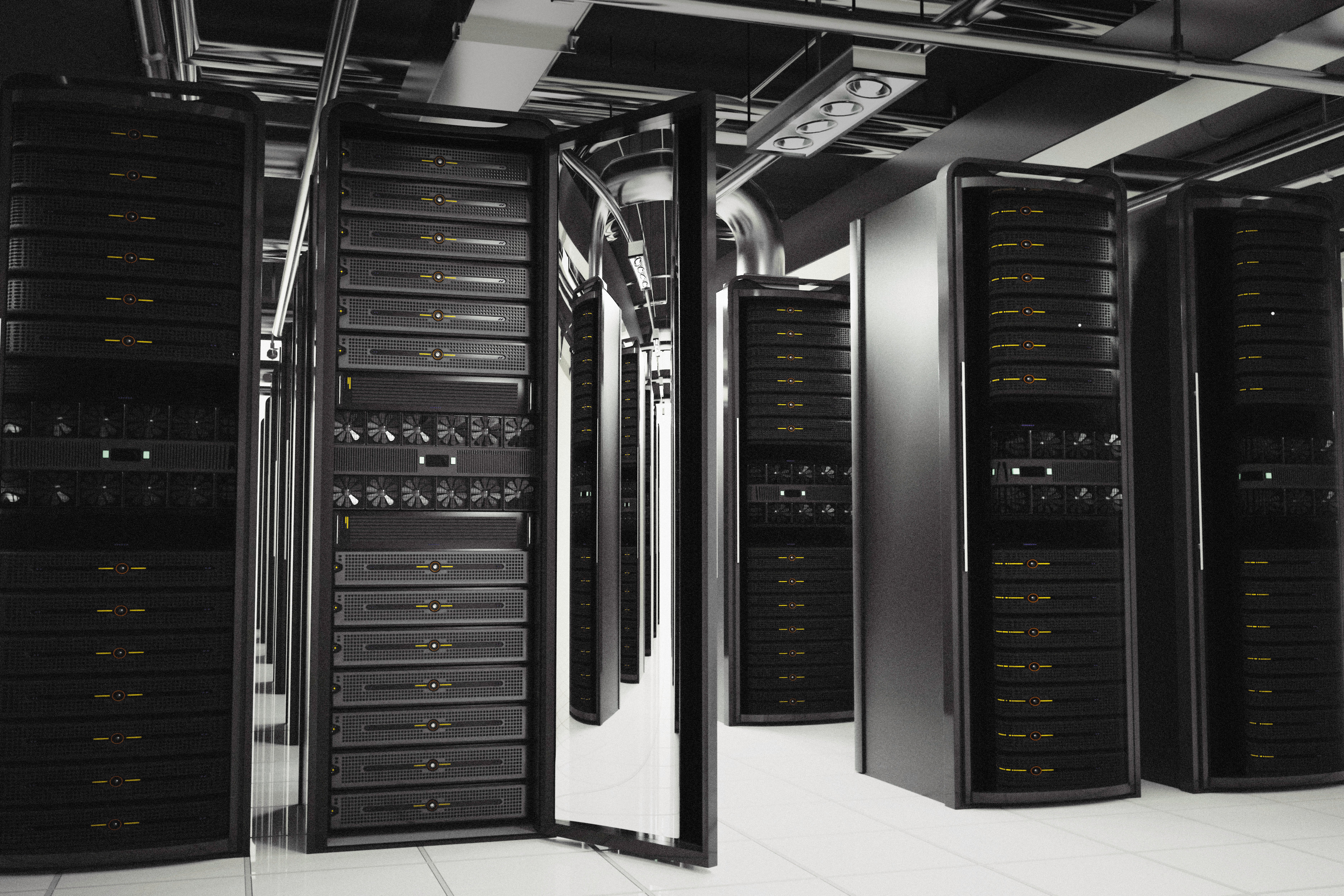
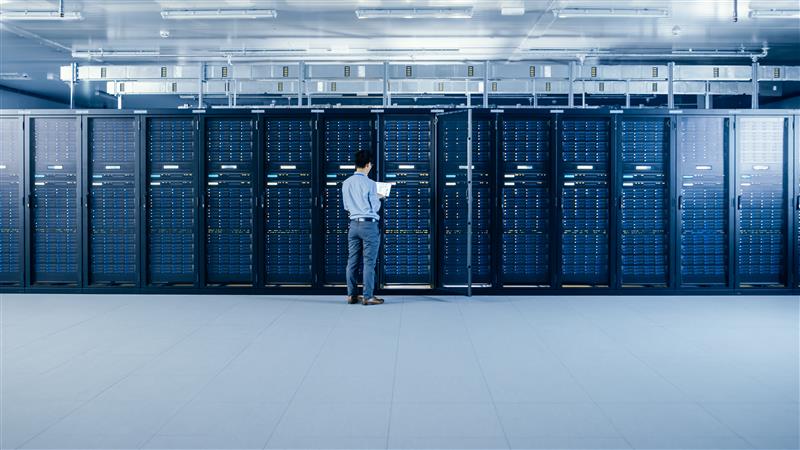
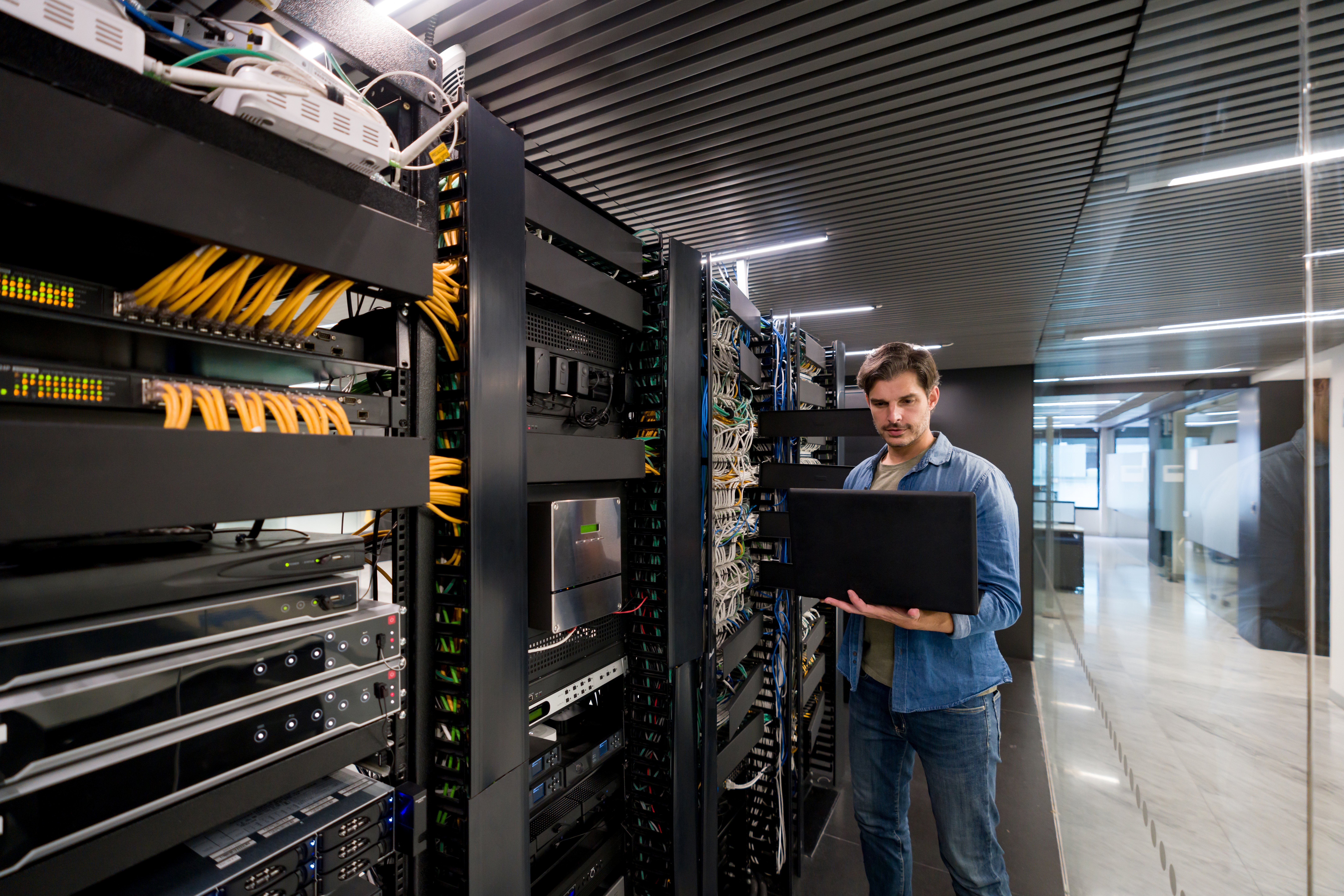
A data center is a specialized building that houses IT equipment and IT infrastructure. These facilities ensure data is processed, stored, and accessed securely. This includes servers, storage systems, and other networking equipment
The construction process is highly technical and includes several key phases. These phases range from planning and design to commissioning and operation.
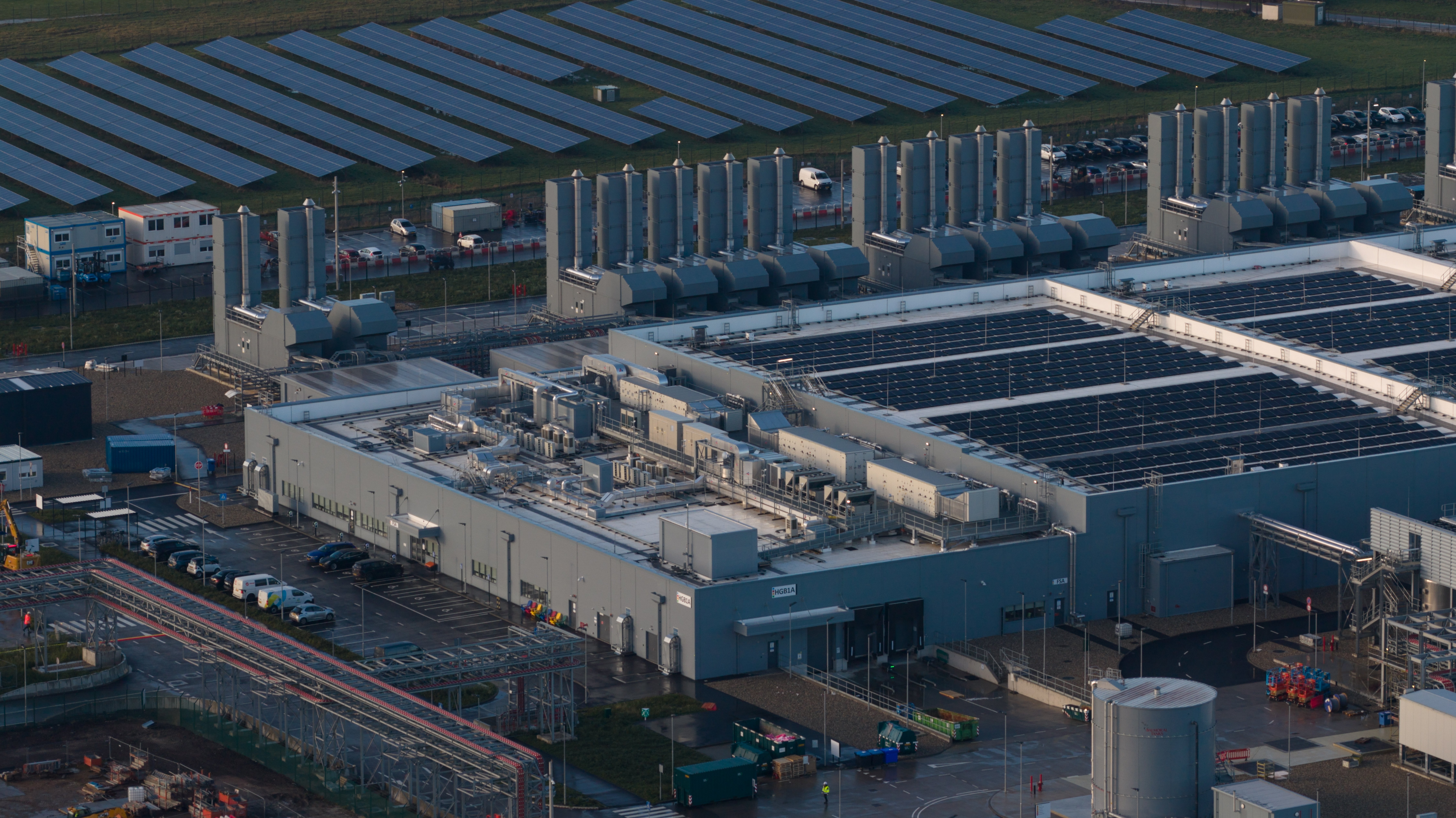
Each component must meet stringent industry standards to ensure the data center's efficiency and security.
Data centers come in various sizes and types. They range from small enterprise data centers to massive hyperscale facilities. Each serves distinct functions and scales.
Enterprise data centers generally support a single organization. They house critical business applications and data. Their design focuses on reliability and tailored solutions.
Colocation data centers offer shared spaces. Many clients can rent space in these facilities. They provide cost-effective solutions with shared infrastructure.
Hyperscale data centers are vast facilities. They support massive cloud service providers like Amazon and Google. These centers focus on efficiency and scalability.
.jpg?h=450&iar=0&w=800)
Successful data center construction starts with careful planning. Site selection is a critical step in this phase. The location impacts performance, cost, and sustainability. Factors such as power availability and connectivity are vital. A site with reliable power sources reduces risk. Connectivity ensures fast and reliable data transmission. Environmental risks like flooding or earthquakes must be evaluated. Reducing exposure to these risks helps maintain uptime. Compliance with local regulations is also essential. Feasibility studies assess the site's viability. These studies consider technical, economic, and environmental aspects. The goal is to ensure long-term success.
The design phase sets the foundation for an effective data center. Architectural planning ensures that the structure supports all technical needs. Every square foot must be utilized efficiently. Mechanical, Electrical, and Plumbing (MEP) systems are crucial. These systems deliver power, maintain cooling, and ensure safety. Proper MEP design is key to achieving operational efficiency.
Sustainability is a growing concern in data center construction. Many centers aim for energy efficiency and reduced carbon footprints. Utilizing renewable energy sources is becoming common practice. The design process involves collaboration across various disciplines. Architects, engineers, and IT professionals contribute insights. Together, they create a robust and sustainable facility.

Building a data center is a complex process that demands precision. Each step adheres to high standards to ensure reliability. The construction phase translates designs into reality.
A solid foundation must be laid to support the infrastructure. This involves preparing the site and ensuring structural stability. High-quality materials are crucial for long-term durability.
Attention to detail in installation is vital, especially for wiring and cabling. These components must be meticulously arranged to prevent issues. Proper installation reduces the risk of future failures.
Multiple teams work simultaneously, each focusing on specific tasks. Coordination among contractors is essential for smooth operations. Regular checks are conducted to maintain quality and safety.
Commissioning is a critical step in data center construction. It involves rigorous testing of all systems. This ensures they function as designed. Performance tests validate the data center's efficiency and reliability. Various systems like power and cooling are evaluated. These assessments help maintain continuous uptime. Commissioning reduces the risk of unforeseen failures. Any issues are identified and addressed promptly. This phase guarantees readiness for operational demands.
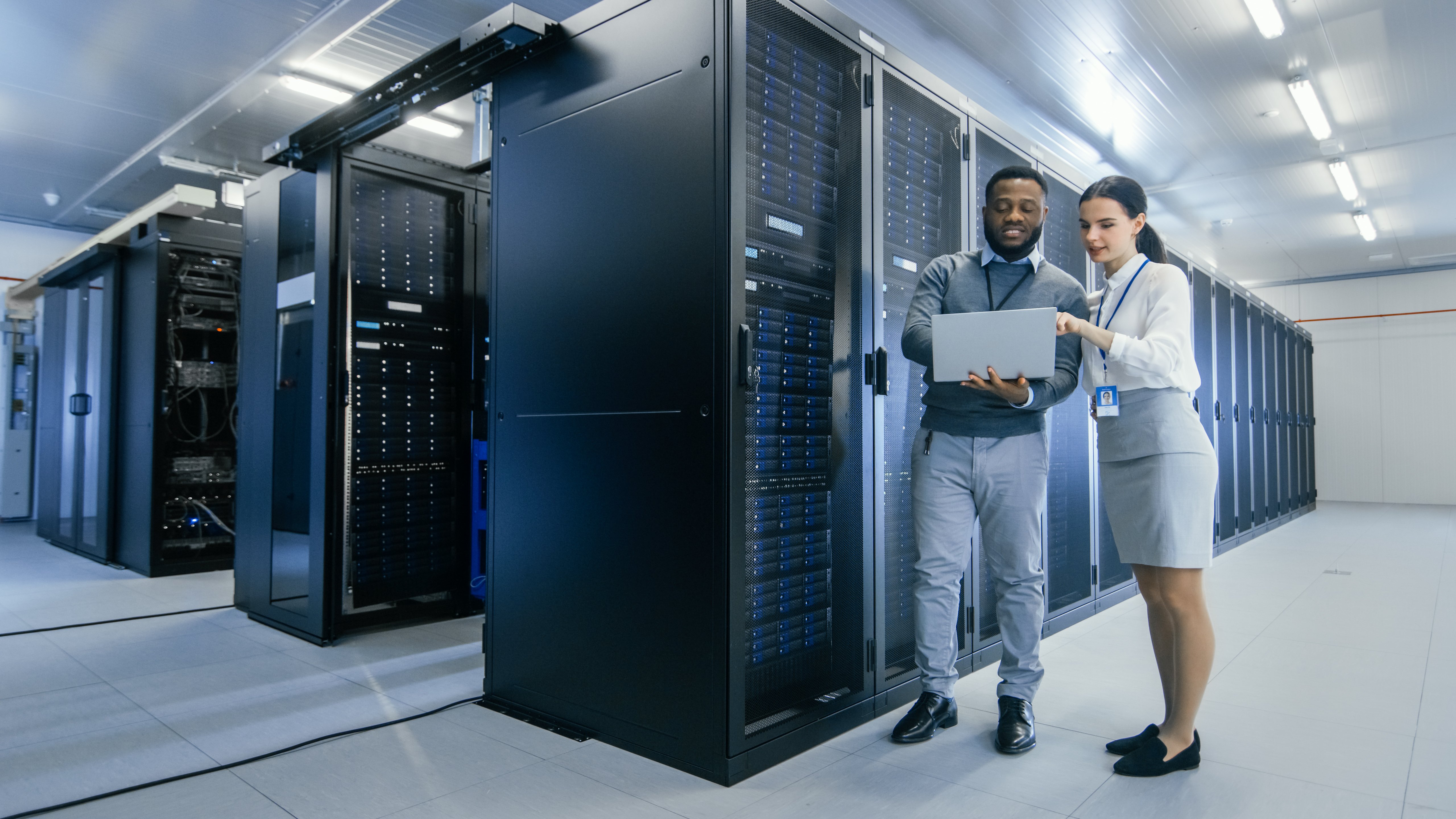
Power is the backbone of any data center. Reliable power systems prevent downtime. Redundancy ensures that power failures don't disrupt operations. Cooling is equally crucial. Effective cooling systems manage the heat generated by servers. This keeps equipment functioning optimally and prolongs its lifespan. Security systems protect both physical and digital assets. They include surveillance cameras and access controls. Cybersecurity measures safeguard data from online threats.
Ensuring these systems work harmoniously is vital. It improves performance and reduces risks. Overall, these systems are integral to a successful data center operation.
Building a data center demands adherence to high standards. These guidelines ensure safety, efficiency, and reliability. Following them is crucial for a successful project. Certification provides a benchmark for quality. The Uptime Institute's Tier system is widely recognized. It classifies data centers based on redundancy and fault tolerance.
Complying with these standards enhances credibility. It also assures clients of the data center's robustness. Achieving certifications can significantly benefit operations and growth.
Data center construction is evolving with new technologies. These innovations drive efficiency and sustainability. Staying updated is crucial for competitiveness. Recent trends highlight modular designs. These offer scalability and faster deployment. Liquid cooling technology is also gaining traction. It's more efficient, reducing energy costs significantly.
Additionally, edge computing is influencing construction designs. It supports faster data processing near the source. Companies are investing in automation to streamline operations. These trends shape the future of data center construction. Embracing them ensures adaptability and growth in a digital-first world.
Selecting the right construction company is pivotal to your project's success. Not all companies have equal expertise in data centers. Investigate their track record and previous projects.
A good partner will offer end-to-end solutions. They should be experienced in different facets like design, build, and commissioning. Consider companies that specialize in innovative and energy-efficient technologies.
A strategic partner ensures your data center's success, aligning with goals and timelines.
Data center construction offers diverse career paths. Jobs range from technical roles to project management. Each plays a key role in successful project delivery.
Technical positions include electricians, HVAC specialists, and network engineers. They focus on essential systems like power and cooling. Management roles oversee timelines and budgets, ensuring coordination among teams.
Professionals should develop specialized skills. Certification in relevant fields can enhance prospects. Seek opportunities in companies focused on innovation and growth.

Starting in data center construction can be rewarding. Entry-level positions often require basic skills and a willingness to learn. Roles like technician or junior engineer provide on-the-job training. Such positions open pathways for career advancement.
Gaining experience in entry-level roles helps build a strong foundation for future growth.
Location: Calgary
Closing: December 05, 2026
Location: Overland Park
hrs a week: 40 hrs a week
Closing: November 05, 2026
Location: Austin
Closing: October 22, 2026
Location: Houston
hrs a week: 40 hrs a week
Closing: October 18, 2026
The future of data center construction is exciting. Emerging technologies like edge computing and automation are shaping new designs. Sustainability continues to drive innovations. Focus is on creating resilient, energy-efficient data centers. These advancements will support digital growth worldwide.
Data center construction is a critical component of today's digital infrastructure. These facilities support everything from cloud services to global internet functions. Their importance is only growing with the digital age. By embracing innovation and sustainability, data centers are paving the way for future technology. As we build these essential structures, we strengthen the backbone of our digital world. Their evolution reflects our commitment to both technological advancement and environmental responsibility.