.jpg?h=1333&iar=0&w=2000)
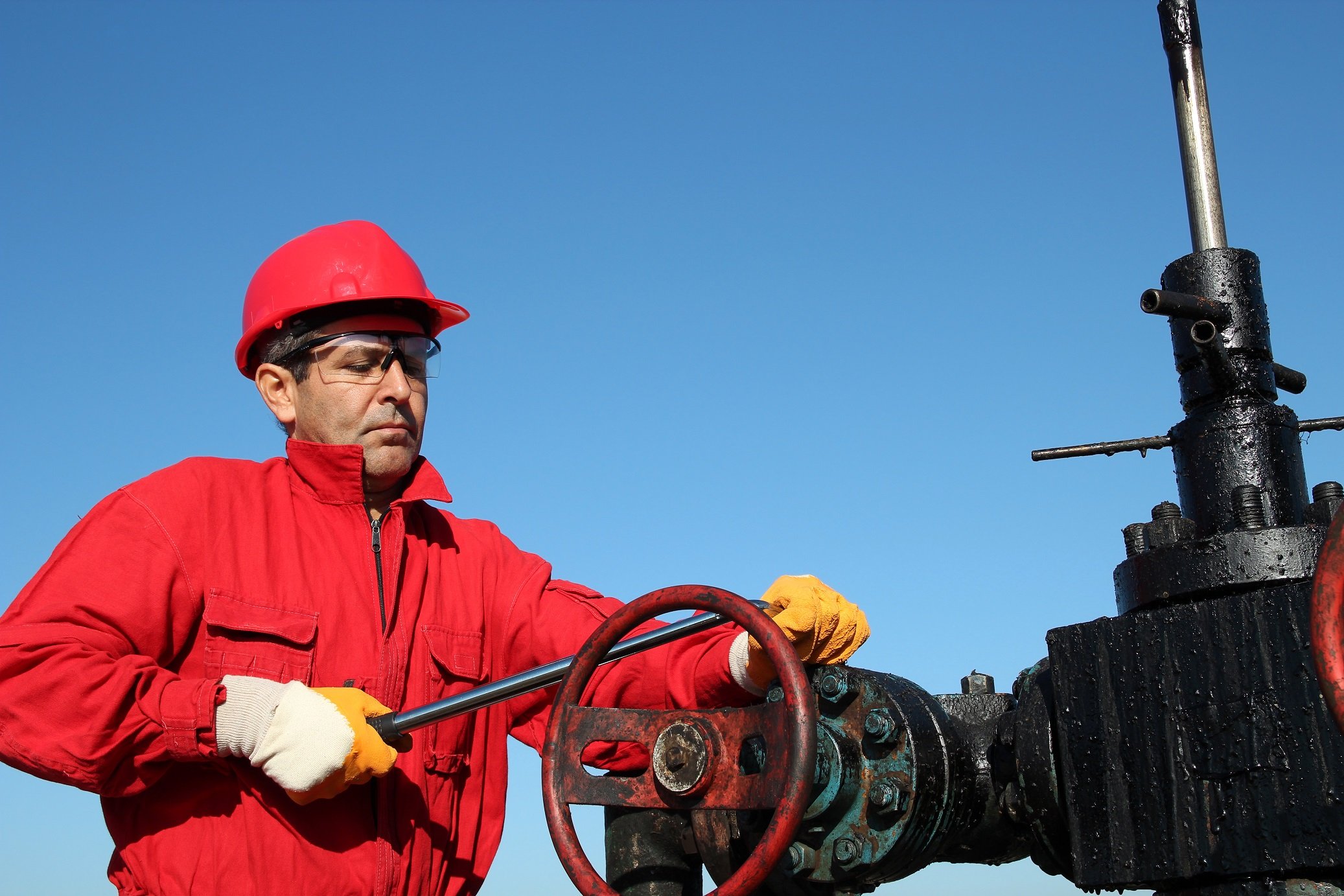
The Driller is the person on a rig who is in charge of the well drilling process, they supervise the crew and the running of the rig itself. They are responsible for monitoring things like pressure build-ups and gas levels, with safety being of paramount importance.
Drillers are one of the very few people with the authority to shut down the well if an emergency occurs.
The Toolpusher, driller and rig crew will work for a drilling contractor, taking their operational orders from the Company Man or Drilling Supervisor who represents the operator company.
What qualifications are needed as a driller?
For a driller, skills are arguably more important than specific qualifications, with a lot of the experience required coming through working through the ranks on a rig.
Typically, good critical thinking, excellent communication skills, steady hands and good coordination make up the skills toolbox for a driller.
There are two main well control certifications, with many companies wanting at least one. These are the IADC and the IWCF.
For offshore rigs, the standard industry certificates such as BOSIET, HUET or MIST are essential, as is a medical to prove good health.

How to become one?
It’s quite common for drillers to start on the rig floor working as a roustabout and learning on the job until they become an assistant driller, then once they have the relevant knowledge and a bit more experience they can take the step up to being a drill operator.
What salary you’ll make
This really depends on where your rig is based, with key factors including remoteness and the harshness of environmental conditions. An onshore rig in Abu Dhabi will not pay a driller as much as one based in the stormy seas west of the Shetland Isles for example.
It is the norm for people to work on a rotation, usually 28 days on 28 days off, and to be paid a daily rate for the days they work. These range from $750 up to $1,000 or occasionally higher.
What jobs are there?
There are onshore drilling operations in large parts of the world, and many offshore areas still being explored and developed.
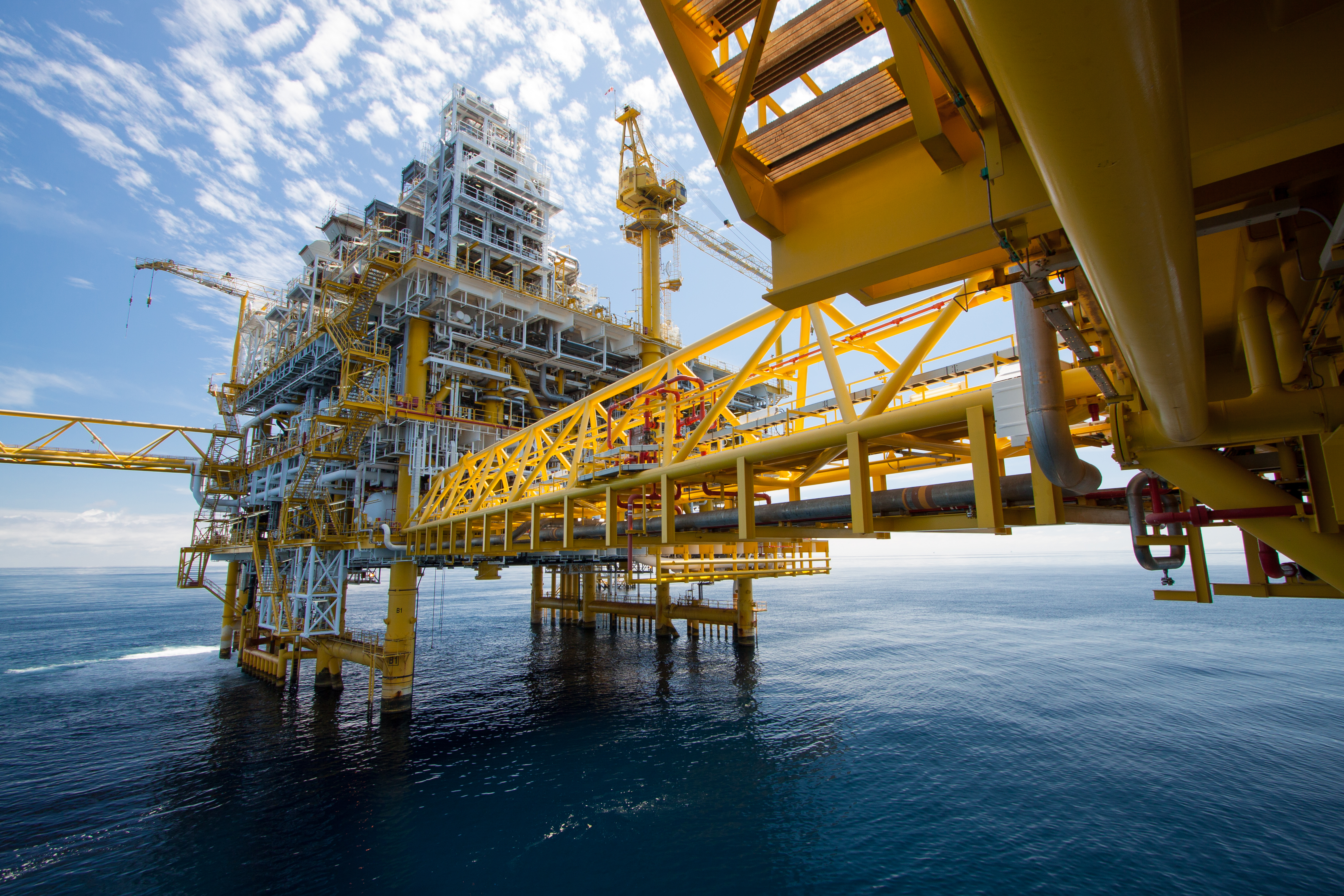
For offshore work, you will work either on a fixed or floating rig, which is determined by the depth of water. This could be a drillship, a jack-up rig, a platform or a semisubmersible.
This really depends on where your rig is based, with key factors including remoteness and the harshness of environmental conditions. An onshore rig in Abu Dhabi will not pay a driller as much as one based in the stormy seas west of the Shetland Isles for example.
It is the norm for people to work on a rotation, usually 28 days on 28 days off, and to be paid a daily rate for the days they work.
As an offshore drilling engineer, you could expect to earn a salary of around $55,000 - $65,000 per year. On the highest end of the scale, a specialist role like a drilling consultant would earn between $143,000 - $305,000.
There are many opportunities for career progression in the sector. After joining the industry through an entry-level role like a drilling engineer, you could be promoted to a drilling consultant or an offshore installation manager.
Alternatively, you may decide to set up your own business and work as a contractor with other firms to negotiate a higher rate of pay.
Job openings in Drilling
Night Drilling Completion Supervisor
Location: Paramaribo
hrs a week: 84 hrs a week
Closing: October 22, 2026
Senior Drilling Completion Supervisor
Location: Paramaribo
hrs a week: 84 hrs a week
Closing: October 22, 2026
Drilling Completion Superintendent
Location: Paramaribo
hrs a week: 56 hrs a week
Closing: October 22, 2026
Optimization Engineer
Location: قطر
Closing: October 23, 2026