Surface vs Subsurface Mining: Methods, Pros, Cons, Impacts
June 04, 2026
Mining
Mining
Quick answer (surface vs subsurface mining): Surface mining extracts minerals near the ground’s surface by removing overburden. Subsurface mining extracts minerals deeper underground using tunnels and shafts. Surface mining is often cheaper and has fewer underground safety risks, but it usually causes greater land disturbance. Subsurface mining can reduce surface disruption, but it costs more and brings higher worker-safety and ventilation challenges.
Mining supplies many of the raw materials used in daily life, from building materials to metals in electronics.
The two main approaches are surface mining and subsurface mining (underground mining). In simple terms, surface mining removes soil and rock to reach shallow deposits, while subsurface mining uses tunnels or shafts to reach deeper deposits.
This guide explains surface vs subsurface mining, including definitions, common methods, surface mining pros and cons, subsurface mining pros and cons, and the environmental impact of mining.
| Factor | Surface Mining | Subsurface Mining |
| Typical depth | Shallow deposits | Deep deposits |
| Cost | Often lower cost per ton | Often higher cost due to tunnels, support, and ventilation |
| Safety | Fewer underground hazards, but equipment and slope risks remain | Higher risks (roof falls, gas, heat), needs strong safety controls |
| Environmental impact | Greater land and habitat disturbance | Less visible surface disturbance, but subsidence and water risks |
| Efficiency | High production for large, shallow deposits | Best for high-value ore that is too deep for surface mining |
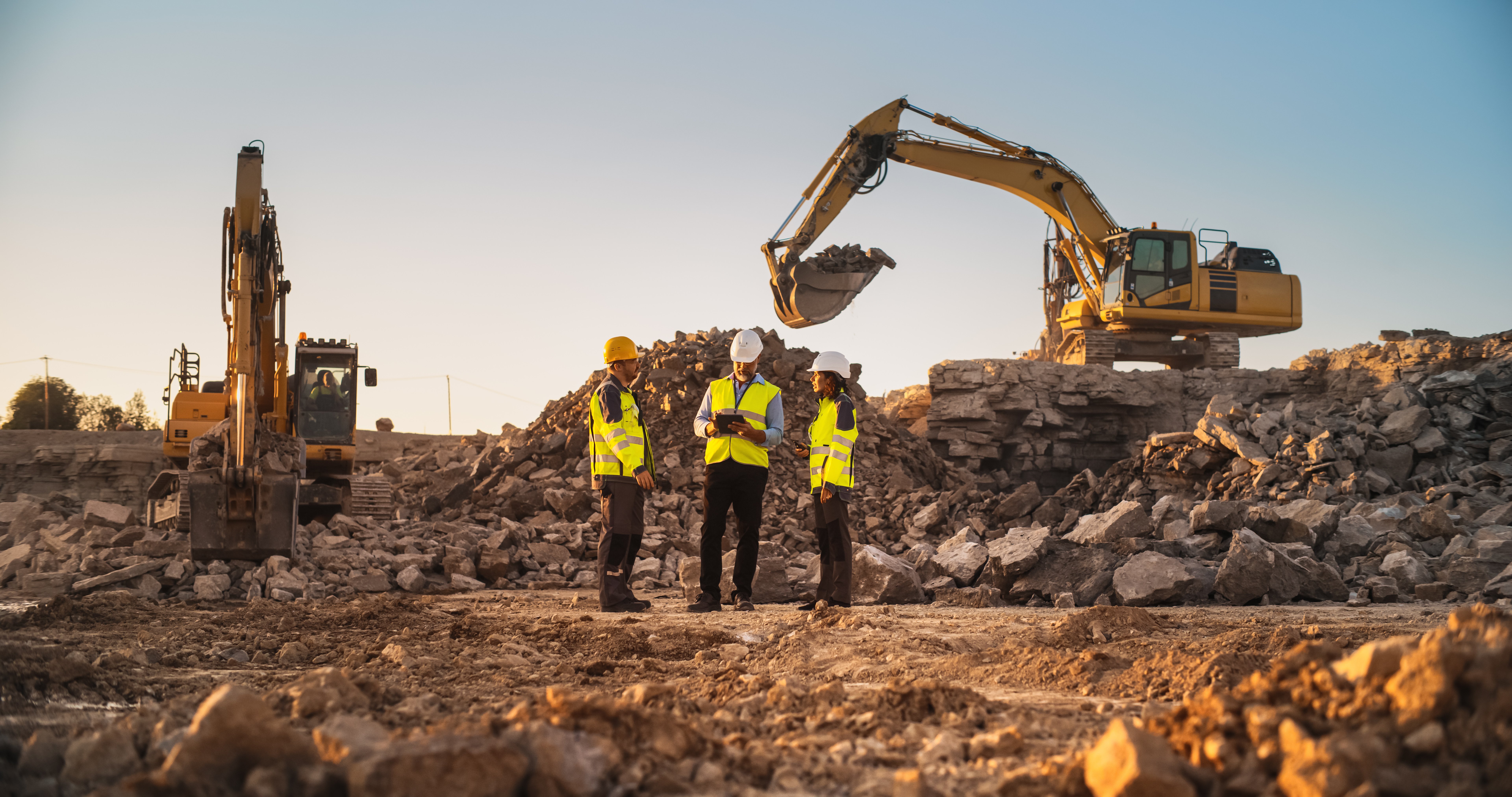
Surface mining is a mining method that removes the topsoil and rock (called overburden) to reach minerals close to the surface. It is commonly used for broad, shallow deposits such as coal, some metal ores, and industrial minerals.
Surface mining is not one single technique. Operators choose a method based on the deposit shape and the landscape.
Surface mining is often less expensive than underground work and can be easier to scale up. These benefits of surface mining matter for supplying large volumes of material.
At the same time, it can cause major land disturbance, so reclamation and long-term land management are important.

Subsurface mining (underground mining) extracts minerals from deep below the ground using shafts, declines, and tunnels.
To clearly state the subsurface mining definition (and to define subsurface mining): it is a group of underground methods used when ore is too deep to remove economically from the surface.
The advantages of subsurface mining often include less visible land disturbance and access to deep, concentrated deposits.
However, underground mines require more planning and support systems. Ventilation, ground control, and water management are critical for safety and environmental protection.

Surface mining methods remove overburden to expose the ore. They are most effective when deposits are near the surface and spread over a large area. These methods can change the landscape quickly, so planning and reclamation are part of responsible operations.
Mountaintop removal
Because surface mines are large and visible, they often require major roads, waste piles, and processing areas.
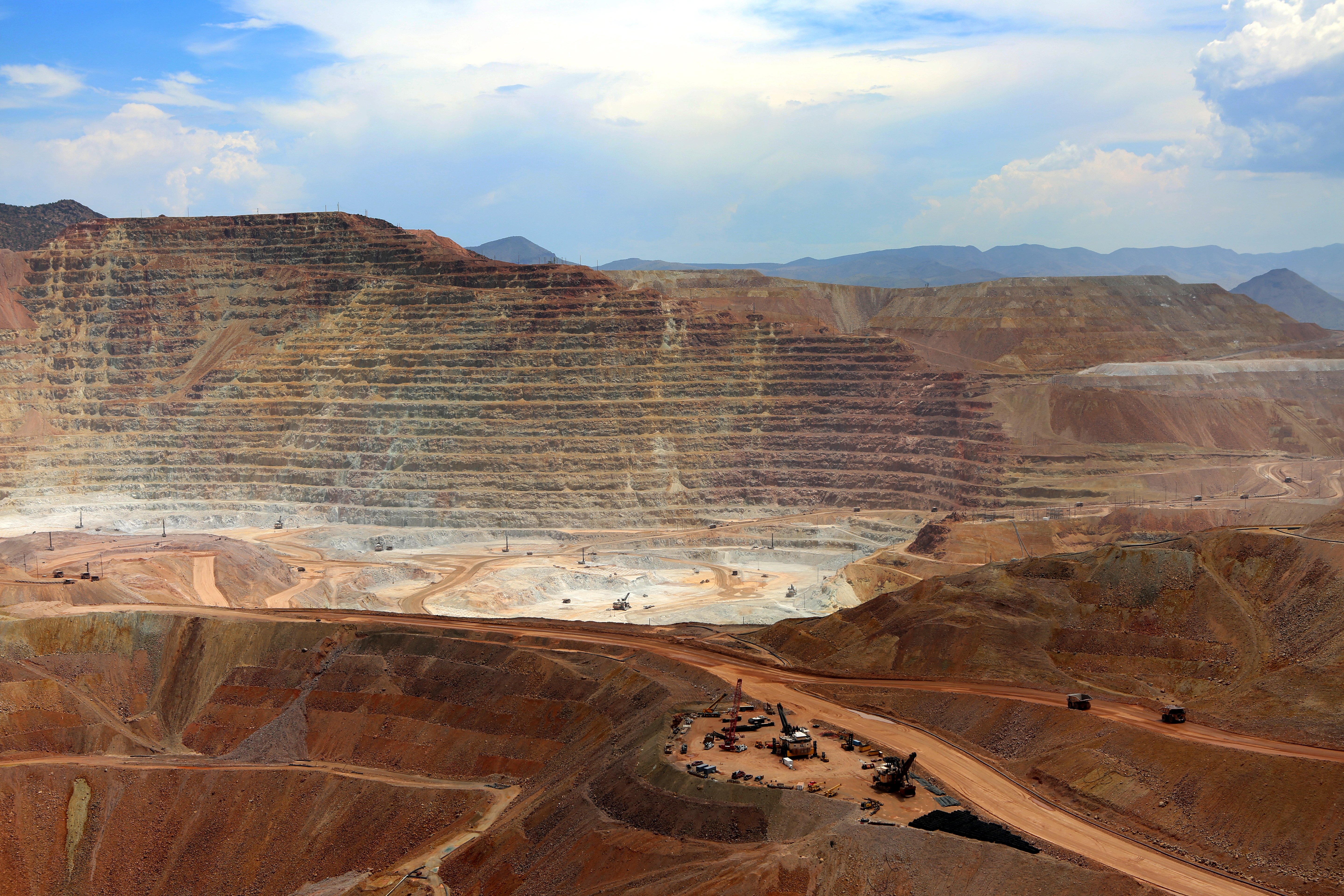
Open-pit mining removes ore from a large, open excavation. It is widely used for minerals that are close to the surface and spread across a broad area.
Miners remove overburden in layers and create benches (terraces). This supports safer equipment movement and steady ore recovery.
Because it changes the land shape, open-pit mines usually need detailed closure and reclamation plans.
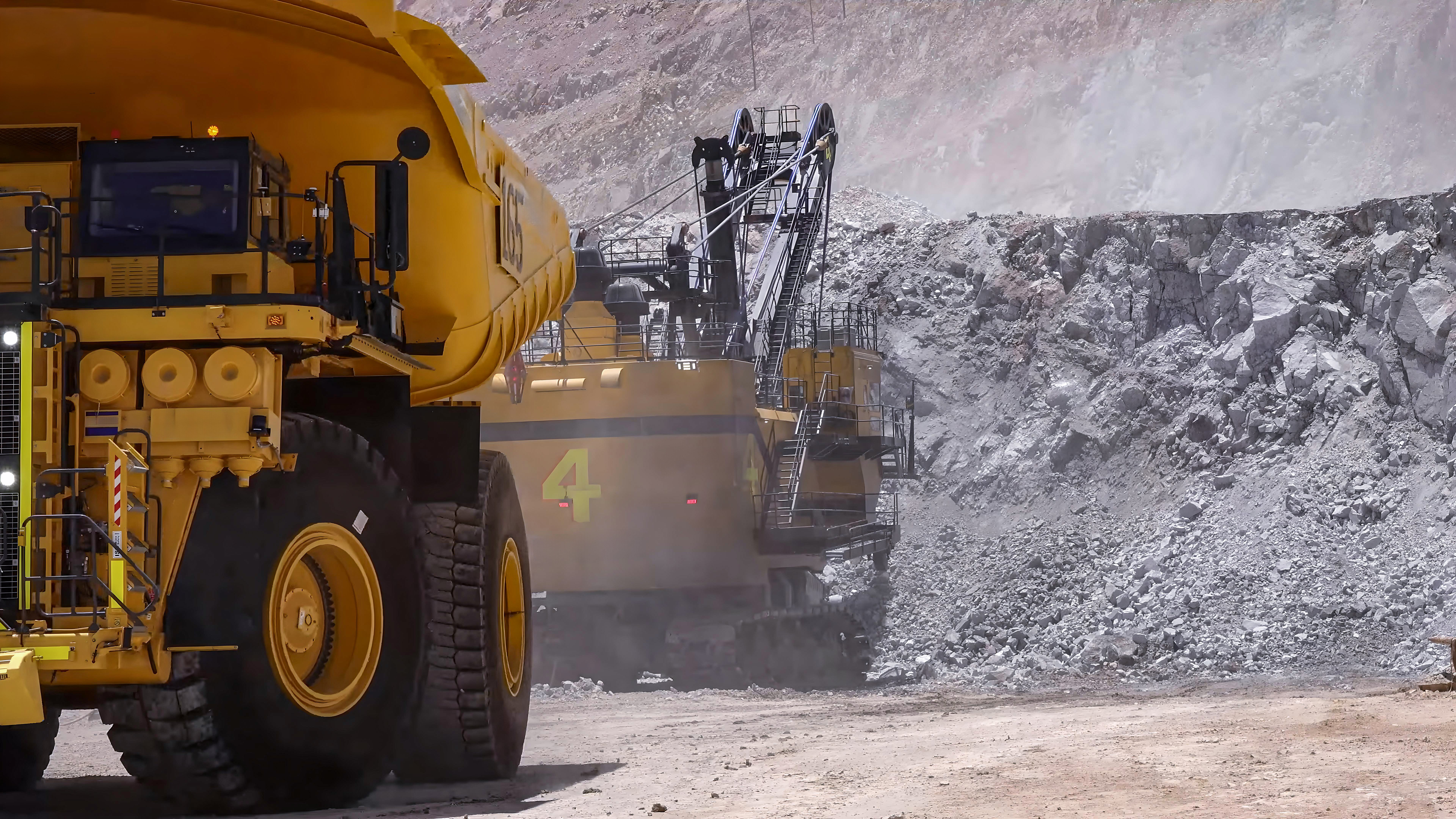
Strip mining removes long strips of soil and rock to expose mineral seams. It is often used for coal and some tar sands operations.
The mine advances in a planned sequence, and removed material may be placed into previously mined areas.
This approach can disturb large areas, so restoring topsoil and replanting vegetation are key parts of reclamation.
Mountaintop removal uses heavy equipment and often explosives to remove the top of a mountain or ridge and reach coal seams below.
The removed rock is commonly placed in nearby valleys, which can affect streams and habitats.
Because impacts can last for decades, this method requires strong oversight and long-term water and land management.
Subsurface mining methods reach ore that is too deep for surface mining. Access typically comes through a vertical shaft, a sloped decline, or horizontal tunnels.
The method chosen depends on ore shape, rock strength, depth, and safety requirements.
Common subsurface mining techniques include:
Even with smaller surface footprints, underground mines can affect groundwater and may cause land subsidence if not designed and monitored carefully.
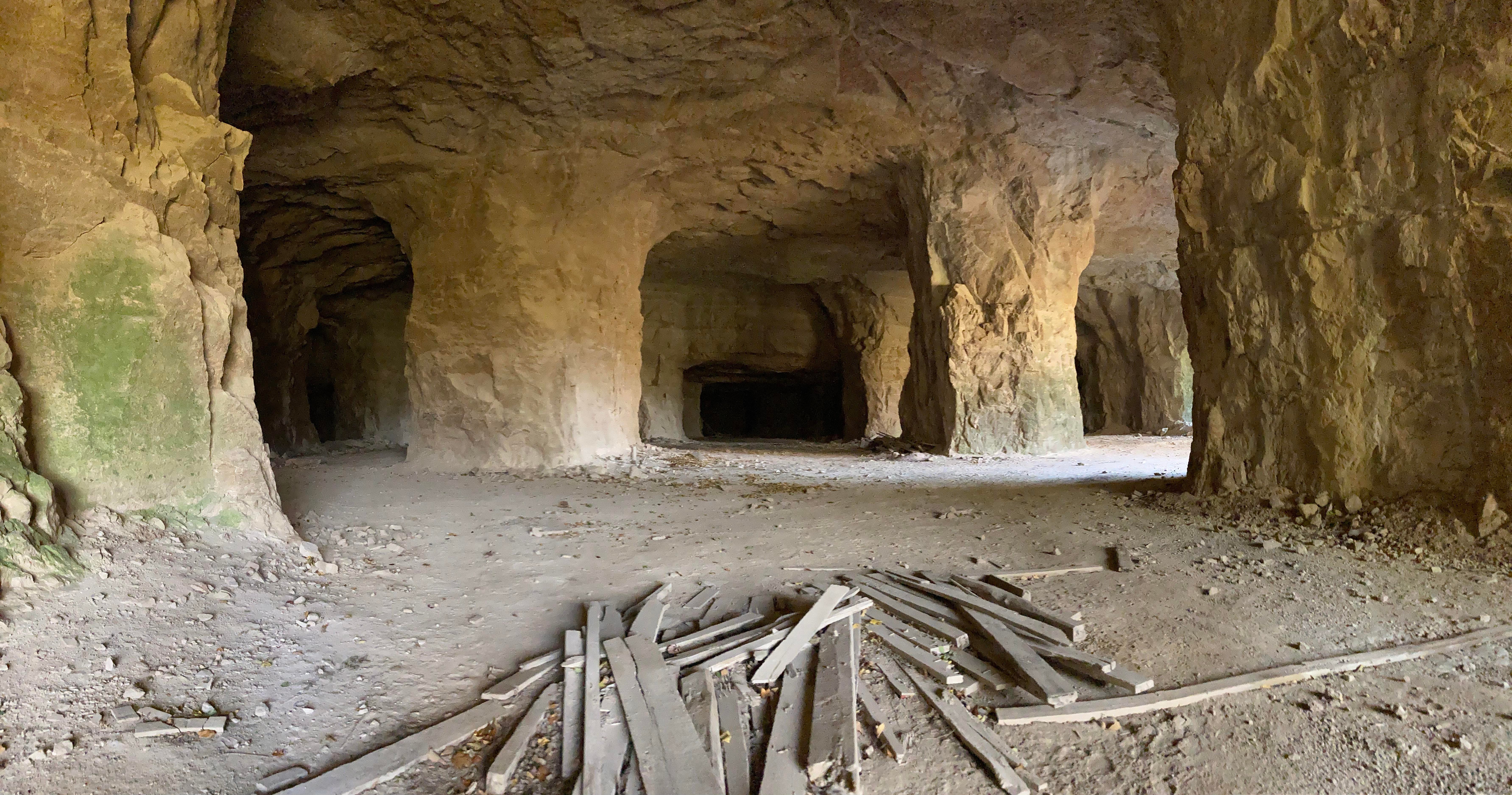
Room and pillar mining creates a grid of “rooms” in the ore, while leaving “pillars” of rock behind to support the roof.
It is common in flatter deposits and can be designed to balance safety with ore recovery.
Some mines later remove pillars in a controlled way, but that can increase subsidence risk if not managed properly.
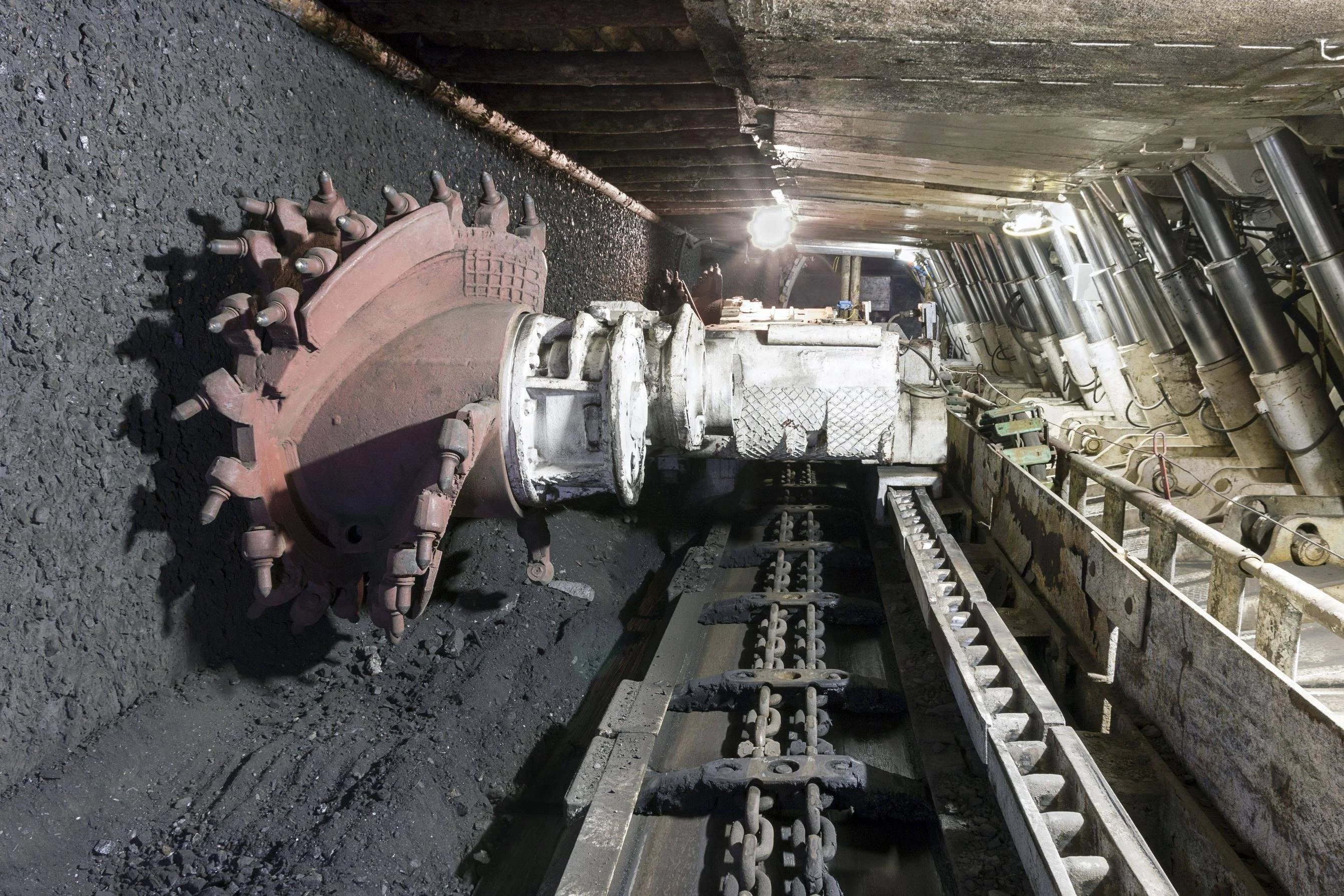
Longwall mining uses a shearer to cut ore or coal along a long underground face. Hydraulic roof supports protect workers and equipment as the face advances.
It can produce large volumes efficiently, especially in coal seams.
Because the roof behind the supports is allowed to collapse in a controlled way, careful planning is needed to manage ground movement.
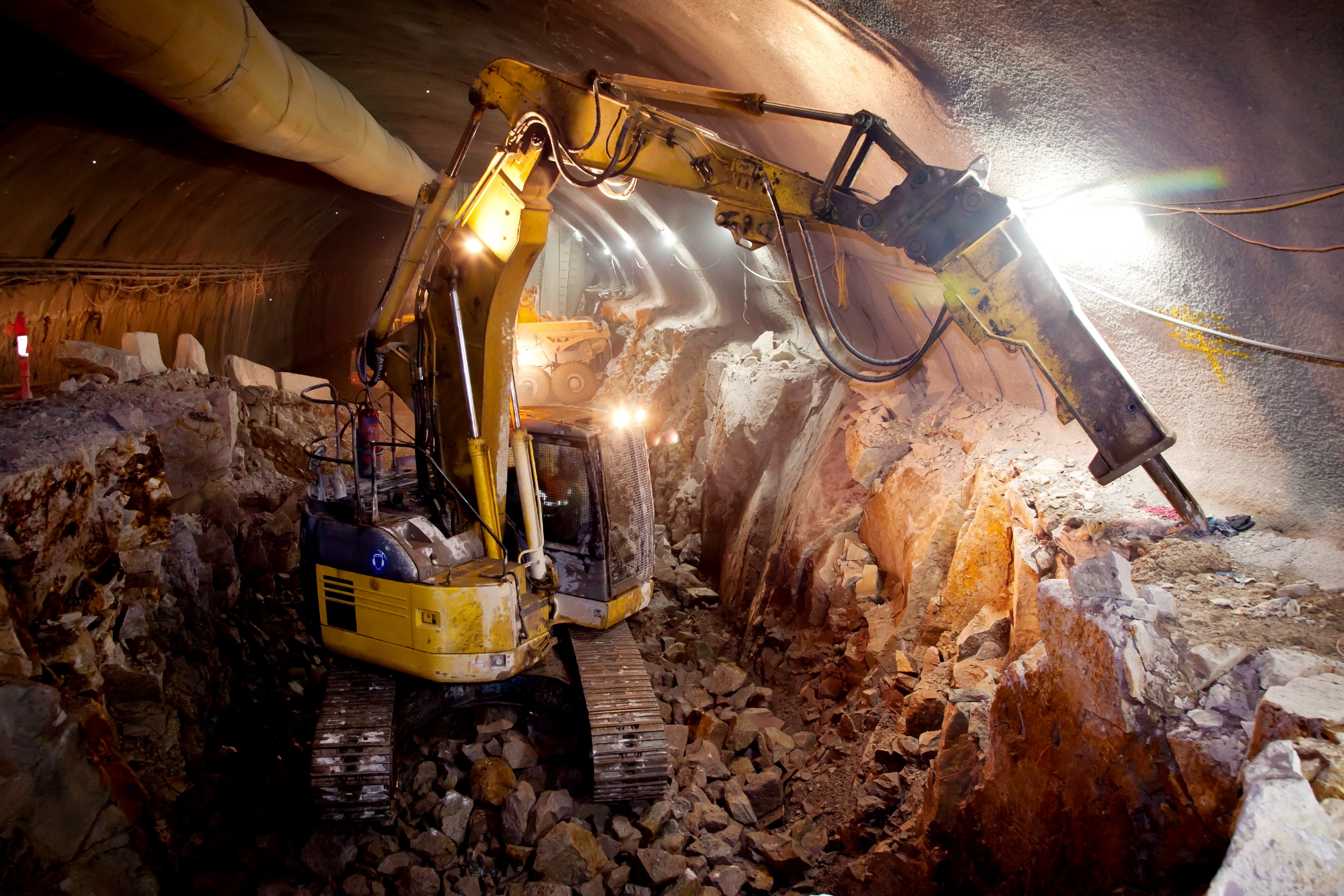
Block caving is used for large, massive ore bodies, often at depth. It relies on gravity: miners undercut the ore, so it breaks and caves in.
The broken ore falls into draw points where it is collected and moved for processing.
This method can be cost-effective for low-grade, high-volume deposits, but it requires close monitoring to control cave behavior.
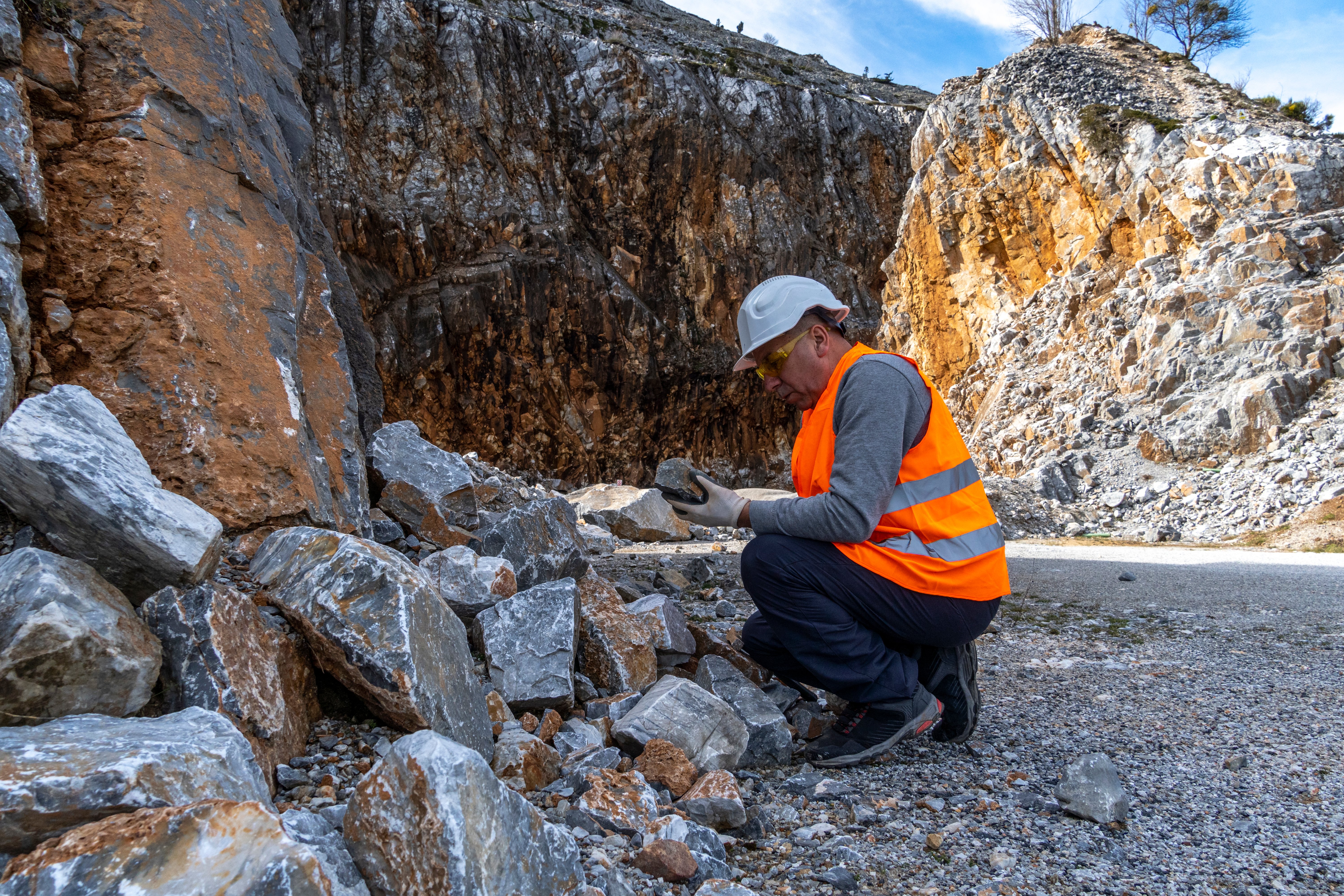
Hard rock mining extracts minerals found in solid rock, such as gold, copper, iron, silver, and nickel. It is often a form of subsurface mining, though some hard rock deposits are mined in open pits.
The hard rock mining process typically follows a predictable sequence, from finding the ore to separating valuable minerals from waste.
Key steps in the hard rock mining process include:
Hard rock mining can be labor- and equipment-intensive. It also needs strong safety controls, especially when done underground.
This section summarizes surface mining pros and cons. Surface mining is widely used because it can remove large volumes of material quickly.
It also tends to have lower operating costs than many underground methods, especially for shallow deposits.
Pros (benefits of surface mining):
Cons:
This section summarizes subsurface mining pros and cons. Subsurface mining is used when valuable deposits are too deep for surface mining.
It can reduce visible land disturbance, but it increases complexity and cost.
Pros (advantages of subsurface mining):
Cons:
How do environmental impacts differ, and how are they managed?
Short answer: Surface mining usually disturbs more land and habitat by removing vegetation and topsoil, which can fragment ecosystems and alter drainage; strong reclamation (replacing soil, replanting native species) is essential. Subsurface mining often has less visible surface disturbance but can cause subsidence and affect groundwater if not carefully designed and monitored. Both types can generate sediment, metals, acid mine drainage, tailings risks, dust, and emissions. Mitigation includes careful planning, water treatment, dust control, safe tailings storage, and long-term reclamation and monitoring.
What are the main methods used in each approach?
Short answer: Common surface methods include open-pit mining, strip mining, mountaintop removal, and quarrying/related excavation. They remove overburden to expose ore and often require large benches, haul roads, and waste areas. Subsurface methods include room and pillar, longwall, and block caving, which rely on designed openings, ground support, and ventilation to safely extract deep ore with controlled ground movement.
What is hard rock mining, and how does it fit into surface vs subsurface mining?
Short answer: Hard rock mining targets minerals in solid rock (e.g., gold, copper, iron, silver, nickel) and is often underground but can also be done in open pits. The process typically involves exploration and sampling; developing access (pit, shaft, decline, or tunnel); drilling and blasting; mucking and hauling; and milling/processing (such as flotation, gravity separation, or chemical extraction). It is equipment- and safety-intensive, especially underground, and the chosen access method depends on depth, ore geometry, and economics.
What’s the core difference between surface and subsurface mining?
Short answer: Surface mining removes overburden (soil and rock) to access shallow deposits from the top down, while subsurface (underground) mining reaches deeper deposits via shafts, declines, and tunnels. Surface methods are typically cheaper per ton and scale well with large, shallow deposits but cause greater land disturbance. Subsurface methods access deep, often higher-value ore with a smaller visible footprint, but they cost more and carry higher underground safety and ventilation challenges.
When should a mining team choose surface vs subsurface mining?
Short answer: Choose surface mining for shallow, laterally extensive deposits where high production and lower cost per ton are priorities and land disturbance can be responsibly managed. Choose subsurface mining when the ore is too deep for surface methods, when the ore’s value justifies higher costs, or where surface disturbance must be limited. Final decisions weigh depth, ore type and value, geology and stability, and environmental/community constraints to balance cost, safety, and environmental performance.
The environmental impact of mining can affect land, water, and air. The size and type of impact often differ between surface and subsurface mining.
Land disruption and habitats: Surface mining typically removes vegetation and topsoil over a wide area. Subsurface mining may disturb less land at the surface, but it can still cause subsidence and damage to ecosystems.
Explain how surface mining affects plant life: Surface mines often remove the topsoil, roots, and seed banks that plants need to regrow. They can also fragment habitats, change drainage patterns, and allow invasive species to spread unless reclamation replaces soil and restores native plants.
Water contamination: Mining can introduce sediment, metals, or processing chemicals into waterways. Acid mine drainage can occur when sulfide minerals react with air and water, creating acidic runoff that harms aquatic life.
Tailings and waste: Both mining types produce waste rock and tailings. If tailings storage is not well designed and monitored, it can lead to long-term pollution risks.
Air and dust: Heavy equipment, blasting, and hauling can create dust and emissions. Good dust control protects workers and nearby communities.
Reducing impacts usually involves better planning, water treatment, dust controls, safe tailings storage, and strong reclamation requirements.
Choosing surface vs subsurface mining depends on where the deposit sits and how it can be mined safely and economically.
In general, surface mining is preferred for shallow deposits because it can move large volumes at a lower cost. Subsurface mining is used when ore is deeper or when surface disturbance needs to be limited.
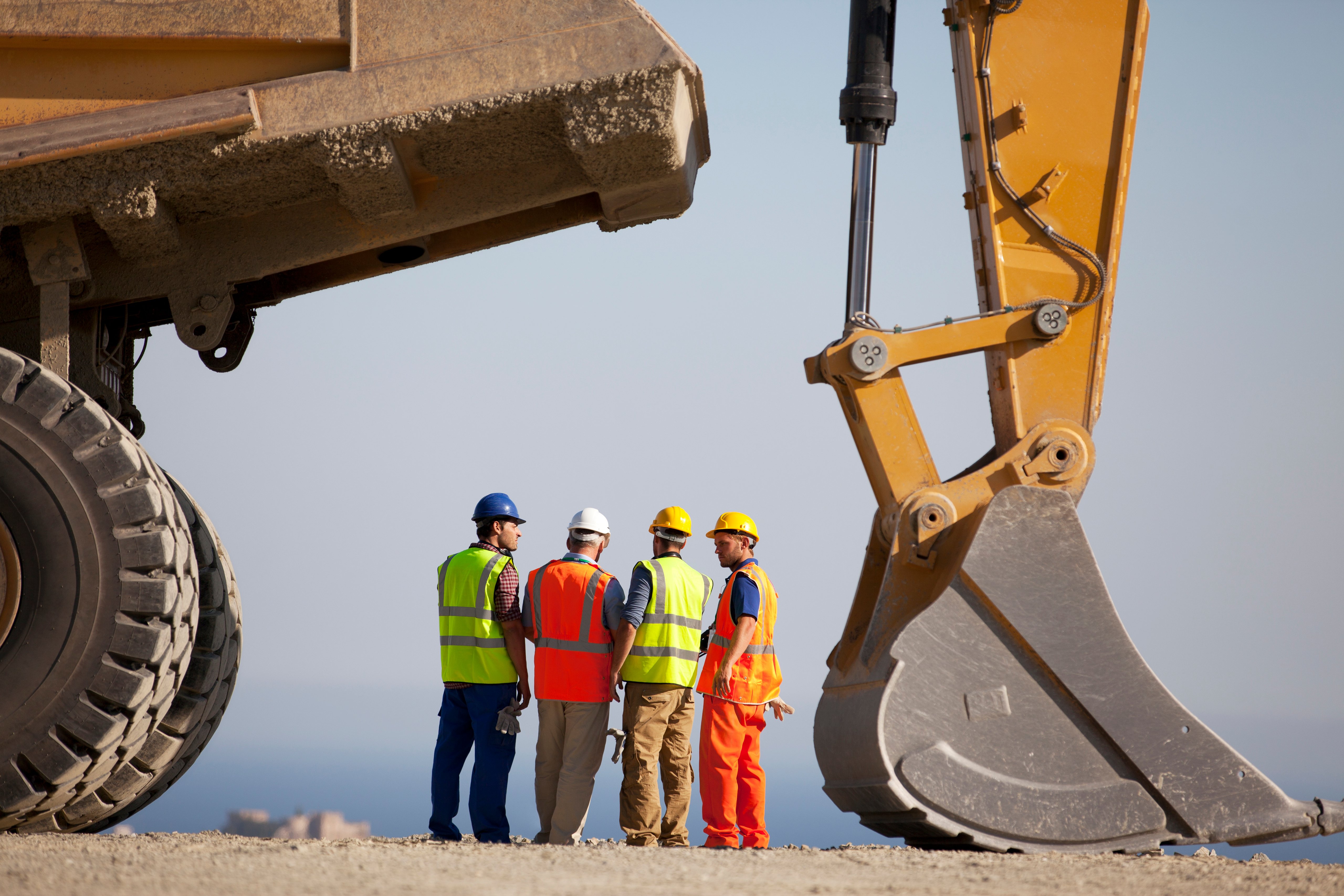
Key Points Used to Justify Surface Mining vs Subsurface Mining:
In practice, mining teams weigh these factors together to select the method with the best balance of cost, safety, and environmental performance.
Surface and subsurface mining both play major roles in supplying minerals. The right choice depends on deposit depth, economics, safety, and environmental constraints.
Key takeaways:
Both methods can be used responsibly when safety systems, environmental controls, and long-term monitoring are treated as core requirements.