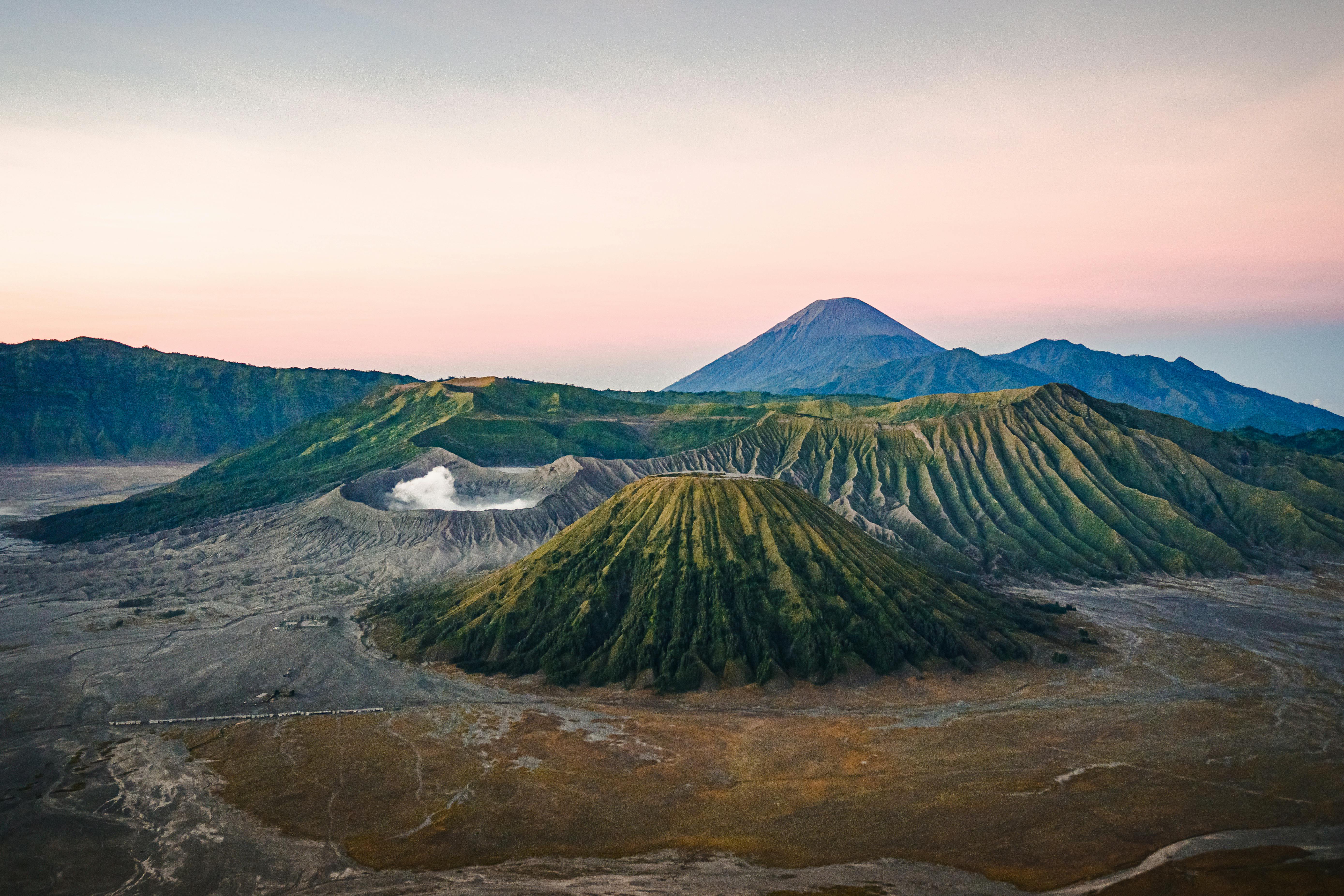
Are you ready to take on a role as a geoscientist? Being a geoscientist offers a unique opportunity to make a meaningful impact on the world through the study of the Earth's materials, processes, and history. As a geoscientist, you will delve into the mysteries of the planet, unlocking valuable insights and contributing to important scientific advancements.
Geoscientist job role
As a geoscientist, your primary role will involve conducting research and analysis to better understand the Earth's structure, composition, and natural resources. You will be responsible for collecting and interpreting geological data, such as rock samples, seismic data, and satellite imagery. Additionally, you will use advanced technologies like Geographic Information Systems (GIS) and modelling software to analyse and visualise data.
Geoscientist responsibilities
Geoscientists play a vital role in various sectors including industry, government, and research, engaging in a wide range of field activities such as mapping, sampling, geotechnical site reviews, drilling, and geophysical or geochemical surveys. Your responsibilities as a geoscientist will vary depending on the specific field and industry you work in. However, some common responsibilities include:
- Conducting field surveys and geological mapping to study and document the Earth's surface features.
- Analysing and interpreting geological data to identify patterns, trends, and potential risks.
- Assessing the feasibility of geological projects, such as mining operations or construction sites.
- Collaborating with other scientists, engineers, and stakeholders to provide geological expertise and insights.
- Presenting findings and recommendations through reports, presentations, and publications.
- Staying updated with the latest advancements in geoscience research and technologies.
Geoscientist qualifications
To become a geoscientist, you typically need to have a bachelor's degree in geology, geophysics, geoscience, environmental science or a related field. Some positions may require a master's or Ph.D. for more advanced research or academic roles. Along with the formal education, relevant fieldwork experience and practical training in laboratory techniques are highly valuable.
Geoscientist skills
In order to succeed as a geoscientist, you should possess a combination of technical and soft skills. Here are some essential skills for this role:
- Strong analytical and problem-solving abilities to interpret complex geological data and identify patterns.
- Proficiency in using geoscience software, GIS tools, and other data analysis tools.
- Excellent communication skills to effectively convey scientific findings to both technical and non-technical audiences.
- Teamwork and collaboration skills to work effectively with other scientists, engineers, and professionals from different backgrounds.
- Attention to detail and meticulousness in data collection, analysis, and documentation.
Adaptability and flexibility to work in diverse environments, such as laboratories, field sites, and offices.