Influential women in history
22 June 2023
Values
Values
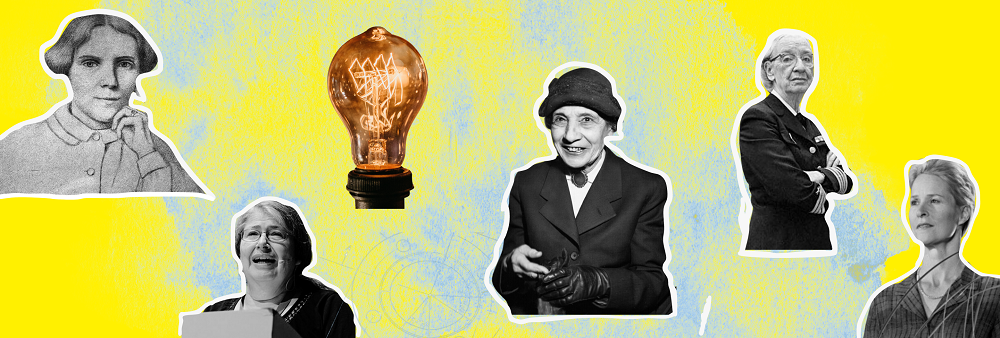
To be a female working in the male-dominated world of STEM is not for the faint hearted. Prejudices persist and extra hurdles must be overcome for many women in the field, but with these difficulties come unique rewards. Brunel speaks to eight female STEM professionals about the realities of working in a field where their gender makes them a minority. Read on for what they have to say: how they got into STEM, what they love about their work, and what challenges they’ve had to overcome to achieve success.
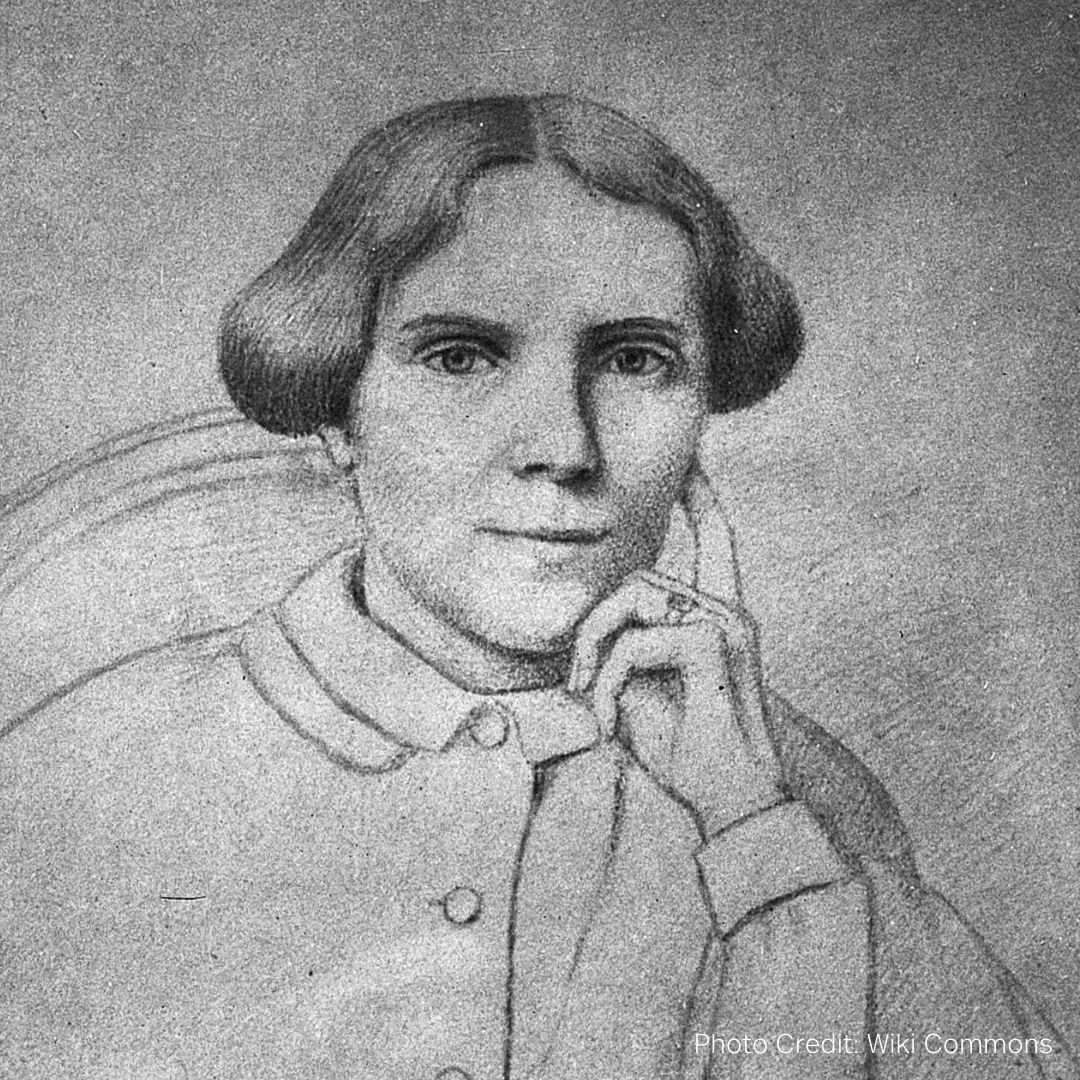
Elizabeth Blackwell overcame considerable adversity to become the first woman to receive a medical degree. Born in 1821 in England, Blackwell lived through a time where society had stringent gender roles and faced constant rejection, discrimination and criticism before she was finally accepted into Geneva College, New York in 1847 by faculty vote as a practical joke.
In an all-male student cohort, Blackwell was denied access to facilities, forced to sit alone in lectures, and endured resentment and outrage from peers who felt she was perverting a title held with such prestige and honour. But this did nothing to discourage Blackwell, who graduated top in her class two years later – becoming the first woman to receive an M.D. degree from an American medical school and finally earning the respect of her classmates.
However, Blackwell was further met with unsurmountable prejudice after medical school. She was refused jobs in countless hospitals, snubbed by patients who refused to be treated by a female doctor and was often assigned nursing roles. After her pursuit of a career in surgery in London was cut short due to inflammation in one eye (destroying her sight), she returned to America in 1851 and opened her own general practice. This was yet again met with discrimination from the public who were mistrustful of female physicians.
With support from friends, Dr. Blackwell opened a small infirmary in 1857 with her sister with the aim to provide free healthcare for poor women and also offer employment opportunities for women in the medical field. She founded her own medical college in New York a decade later before moving back to London, taking up a professor role at the newly established London School of Medicine for Women.
Dr. Blackwell continued her campaign for reform and the promotion of women in medical science until her death in 1910 at the age of 89.
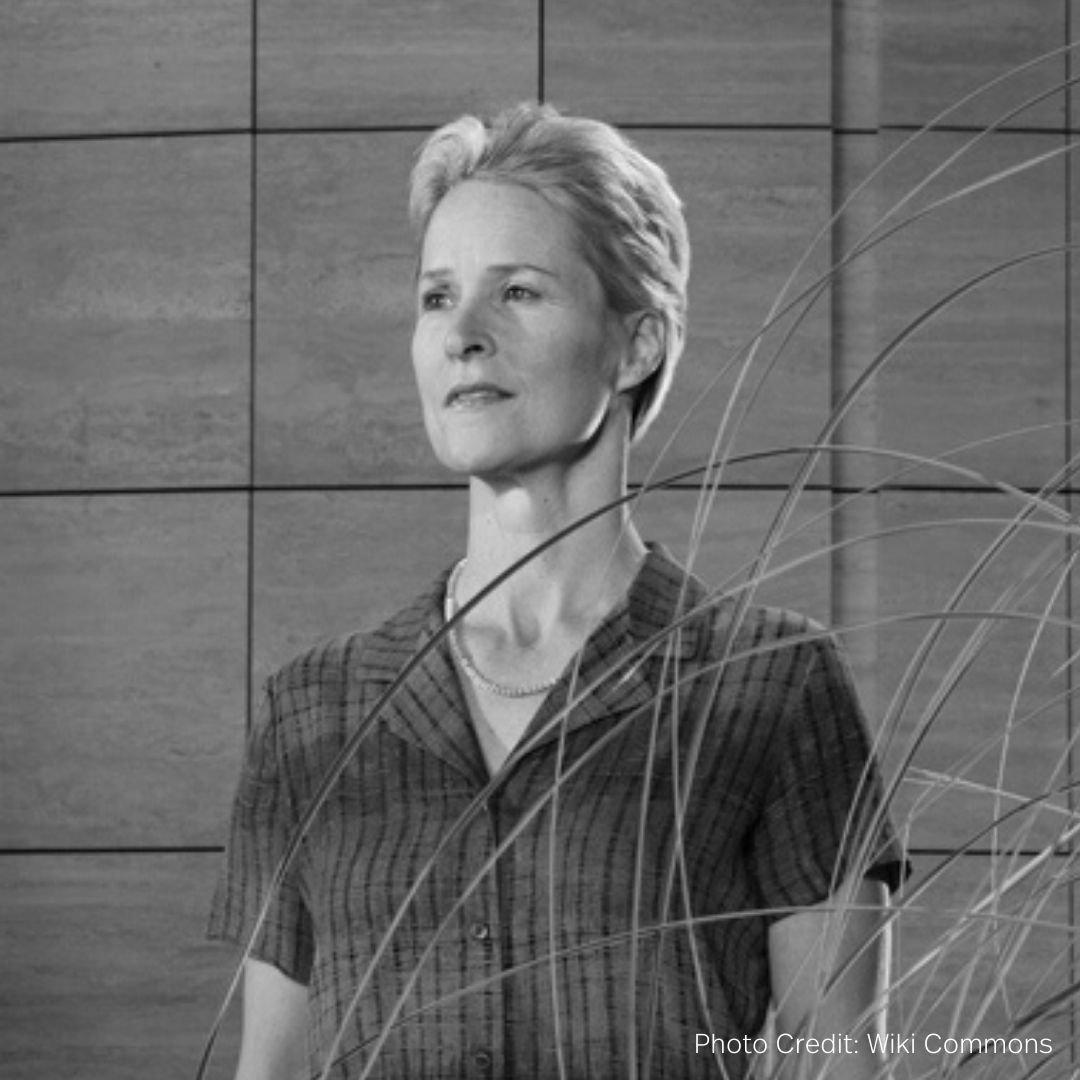
In 2018, Frances H. Arnold (Ph.D.) became the first American woman to receive the Nobel Prize in Chemistry for her groundbreaking work in the ‘directed evolution of enzymes’. Her discovery into how desired proteins can be manipulated through the evolutionary process of beneficial mutations and propagation has led to the manufacturing of more environmentally-friendly chemical substances we use today in pharmaceuticals, pesticides and renewable fuels.
Arnold’s accomplishments throughout her life have been nothing short of extraordinary. In addition to the Nobel Prize, she has received many other awards including The Draper Prize and the National Medal of Technology and Innovation in 2011 - the latter of which was presented to her by President Barack Obama. She was elected to the American Academy of Arts and Sciences in 2011 and the National Inventors Hall of Fame in 2014. She was the first woman to be elected to each of the three National Academies in the US: National Academy of Engineering in 2000, National Academy of Medicine in 2004 and the National Academy of Sciences in 2008. In 2016, she became the first woman to win the Millennium Technology Prize. Arnold is a fellow to several academies in America and one in the UK.
She was listed as BBC’s 100 women in 2018, was named a member of the Pontifical Academy of Sciences by Pope Francis in 2019, was recently announced as one of two females to ever co-chair the President’s Council of Advisors on Science and Technology (PCAST) by President Biden in 2021. In what she jokingly claimed as the greatest accolade of her life, she also appeared on the hit TV series ‘The Big Bang Theory’ – as herself!
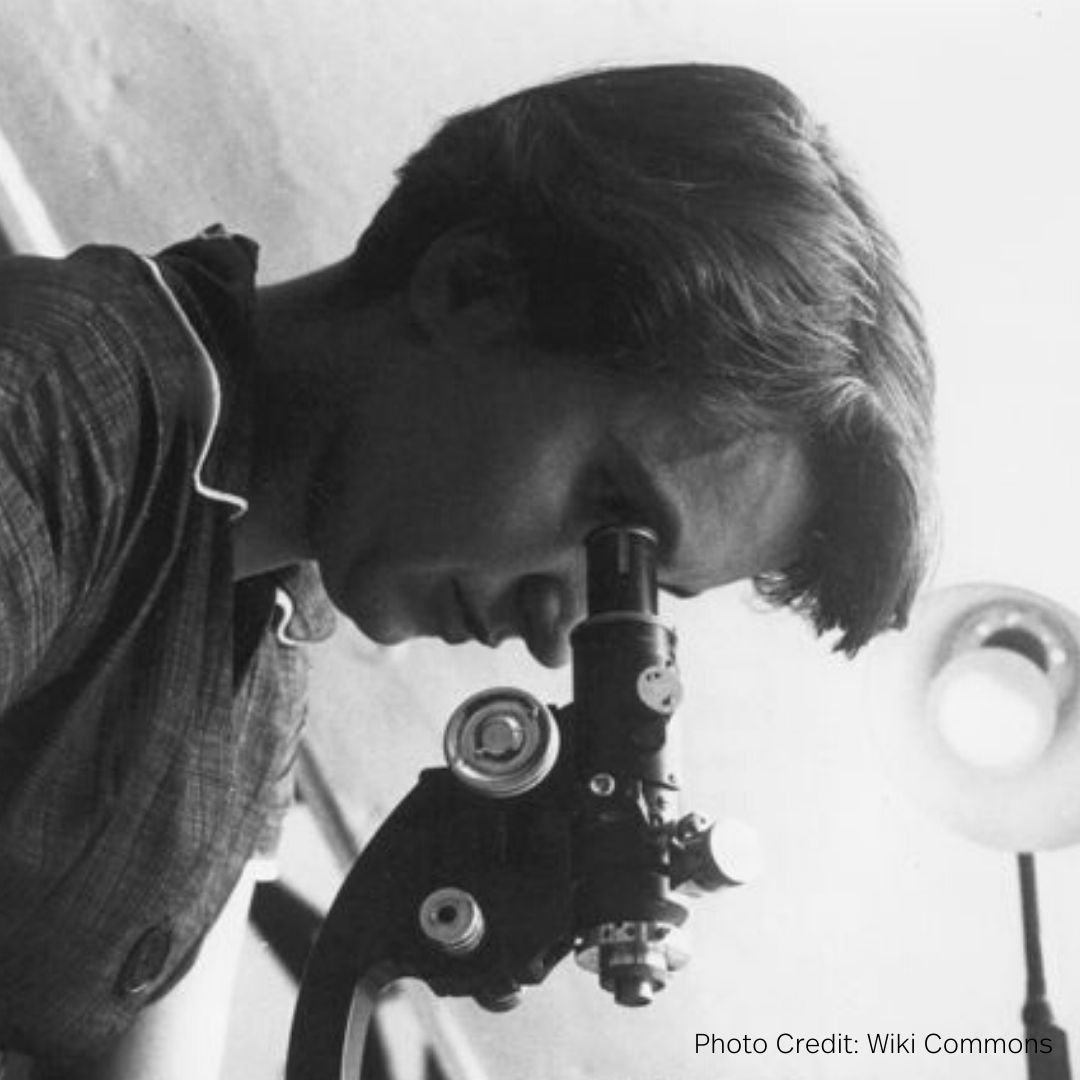
Rosalind Franklin is best known for her vital contribution to the discovery of the double helix structure of DNA – even if it was never officially acknowledged.
A master in X-ray crystallography, Franklin took up a position in London's Kings College in 1951 as a research fellow. Alongside Maurice Wilkins, Franklin worked to find the structure of DNA; however tensions divided the pair and, without Franklin’s knowledge, Wilkins shared her work (notably the famous ‘Photo 51’) to James Watson and Francis Crick who were also studying the chemical structure of DNA in Cambridge. Using Franklin’s photograph and accompanying data in a brief informal report, Watson and Crick were able to match her findings with their calculations and presented their famous DNA model; with no acknowledgement of her contribution, of which Wilkins, Watson and Crick were awarded the Nobel Prize in Physiology or Medicine in 1962. It was only after Franklin’s death in 1958, that Watson and Crick expressed that Franklin’s work was critical to their discovery.
Even so, Franklin’s other accomplishments hold considerable merit. Just before her untimely death (she was 37), Franklin achieved some of the biggest milestones in her career. Her lifelong work on the molecular structure of coal and carbon gained her a reputation in the field (processes which are still used in industrial processes today) and also made significant advances on molecular structures of viruses with colleague Aaron Klug - who received a Nobel Prize in 1982, and dedicated the paper in her memory.
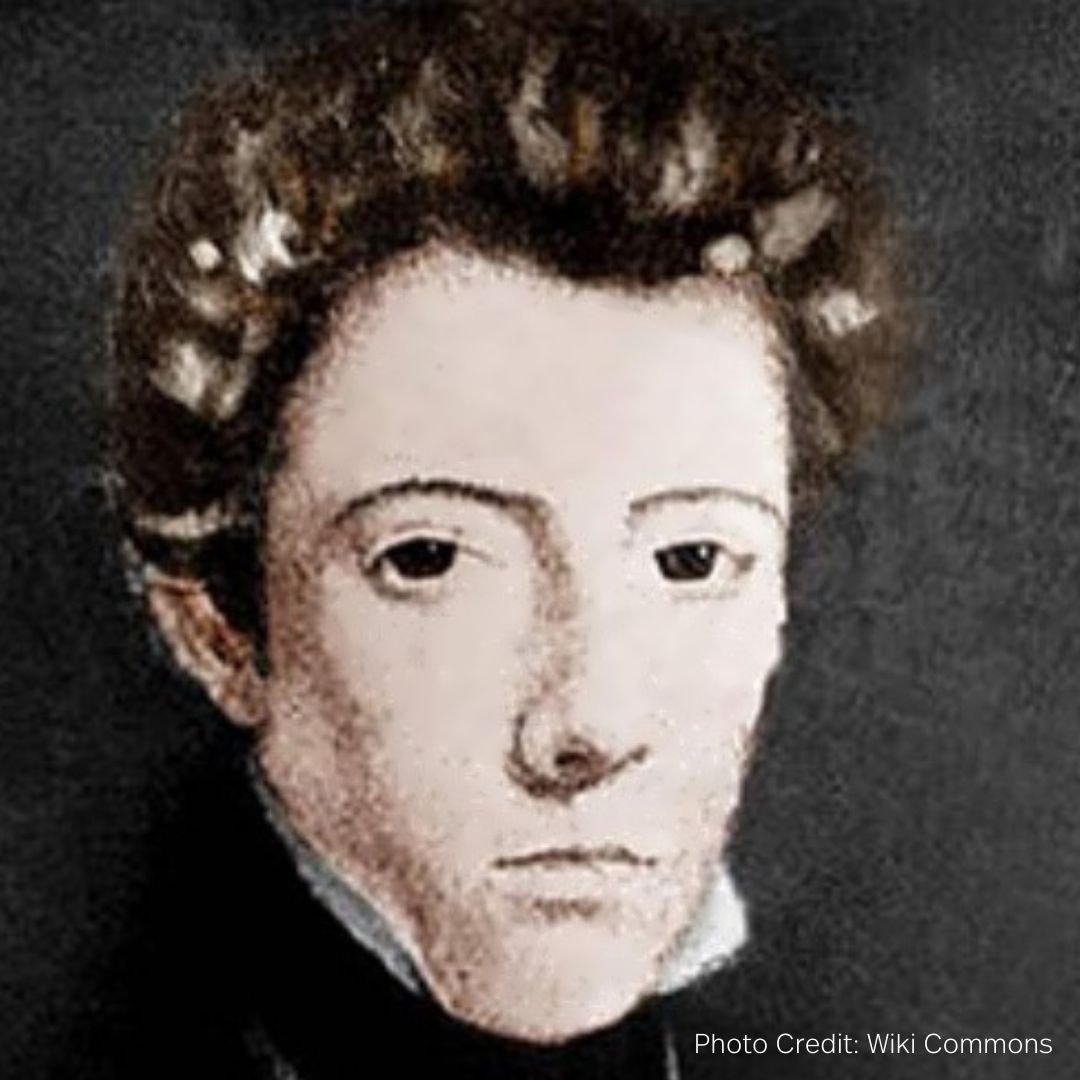
Have you heard about the extraordinary secret life of Irish-born Dr. James Barry, born Margaret Ann Bulkley?
Barry was a military surgeon in the British Army who, in order to practice medicine, lived life as a man. Born in the late 18th century, Barry assumed the identity of his late uncle so he could study medicine at the University of Edinburgh. With initial skepticism because of his height, delicate features and unbroken voice, Barry committed to wearing overcoat to conceal his figure and excused his smooth, youthful complexion to young age, even though he was in his early 20’s. He qualified as a medical doctor in 1812, and as a surgeon the year after.
Concealing his identity for over 50 years was no easy feat – considering he worked 46 of those years in the company of men in the army. Adopting a brutish, swashbuckling ‘ladies man’ persona, Barry served for the British Army and was sent around the world (including Europe, India and Canada) to treat patients and train medical graduates. He rose through the ranks to become Deputy Inspector-General of Hospitals, performed one of the first successful caesarean (where both mother and baby survived) in Africa and advocated for better nutrition, sanitation and care for soldiers, prisoners, the poor and other underprivileged groups.
It was only after his death from dysentery at age 70 that Barry’s secret was revealed. His final wish of not changing out of the clothes which he died in was ignored by a charwoman preparing his funeral, who discovered the truth of his physical sex and took the news to the press. Outraged, the army placed an embargo on Barry’s records for nearly 100 years, suppressing his notable contributions to medicine. It was not until a historian discovered and confirmed Barry’s true identity with documentary evidence in 1958 that the tale of Dr. James Barry was republicised – sparking numerous books, articles and even a film.
Often referred to as the ‘Mother of the Internet’, Radia Perlman invented the Spanning Tree Protocol (STP) as the solution to a challenging information routing problem - allowing Ethernet networks to self-organise, move data and avoid loops. In layman’s terms, it has been described as putting 'basic traffic rules into place' for the internet. She then created the Transparent Interconnection of Lots of Links (TRILL) which corrected flaws observed in STP, improving robustness, scalability and efficiency and is still used by Internet providers today.
Perlman holds over 100 patents, authored and co-authored several books, has been inducted to many 'Halls of Fame' including the National of Inventors Hall of Fame (2016), won numerous awards including Inventor of the Year by the Silicon Valley Intellectual Property Law Association, listed as one of the 20 most influential people in IT by Data Magazines twice, and has served as a professor at both Harvard and University of Washington.
As one of the first female programmers, Perlman challenged what a ‘typical’ inventor looked like within the technology industry at the time – but gender was not something that Radia ever let impact her studies at MIT (as one of the few women studying Mathematics and Computer Science at the time) or impede her impressive career. She is a strong believer that there should not be a stereotype of what an ‘engineer’ looks like, but rather asserts that workplace diversity should be based on people’s different ways of thinking - where in order to come up the best, simple solution, different angles can be considered.

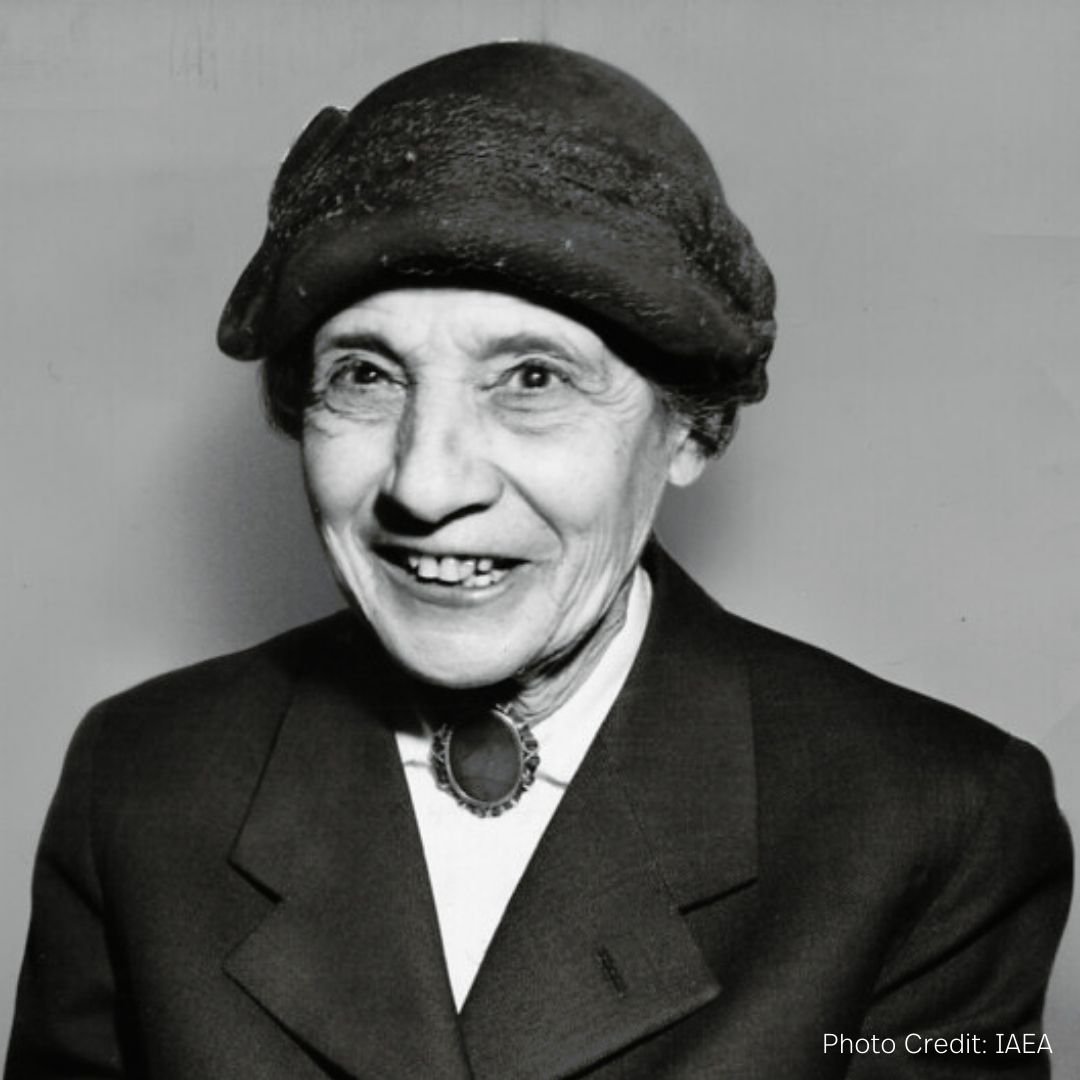
Lise Meitner is one of physics’ unsung heroes – the woman whose work in the Nobel Prize-winning discovery of nuclear fission was ignored. But did her ethnicity and gender barriers at the time have anything to do it? According to many – it was.
A Jewish woman living in Nazi Germany, Meitner was forced into exile and had to complete her research into nuclear fissure (the splitting of atoms and the release of energy) with her chemist colleague Otto Hahn via regular correspondence from Sweden. However, once their findings were ready to be published, Hahn claimed the discovery as his own independent work – even though it was Meitner who published the full theoretical explanation and observations of the process (and coined the name 'fission' with her nephew Otto Frisch). Hahn was he was awarded the Nobel Prize in Chemistry in 1944 for 'the discovery of the fission of heavy nuclei', whilst Meitner has never been recognised by the Nobel Committee.
Nuclear fission is not the only discovery from Meitner that was not credited where credit was (arguably) due. In 1923, she observed a process in which an atom sheds one or two of its atoms in order to stabilize - but her findings were not widely publicised. Instead, a year later, French physicist Pierre Auger also observed this emission process and was consequently named the Auger effect.
Regardless, Meitner is a pioneering physicist whose intellect, passion for math and science and drive to work hard (especially when faced with bias and religious persecution) is nothing short of inspirational. Meitner’s contribution to nuclear fission was acknowledged much later in her life, where she was the first woman to receive the Enrico Fermi Award (shared with Hahn and Fritz Strassman, who briefly worked with Hahn whilst Meitner was in Sweden). She has also been attributed to the joint discovery (with Hahn) of the element protactinium; and the heaviest known element in the universe – Meitnerium (Mt) – was named in her honour.
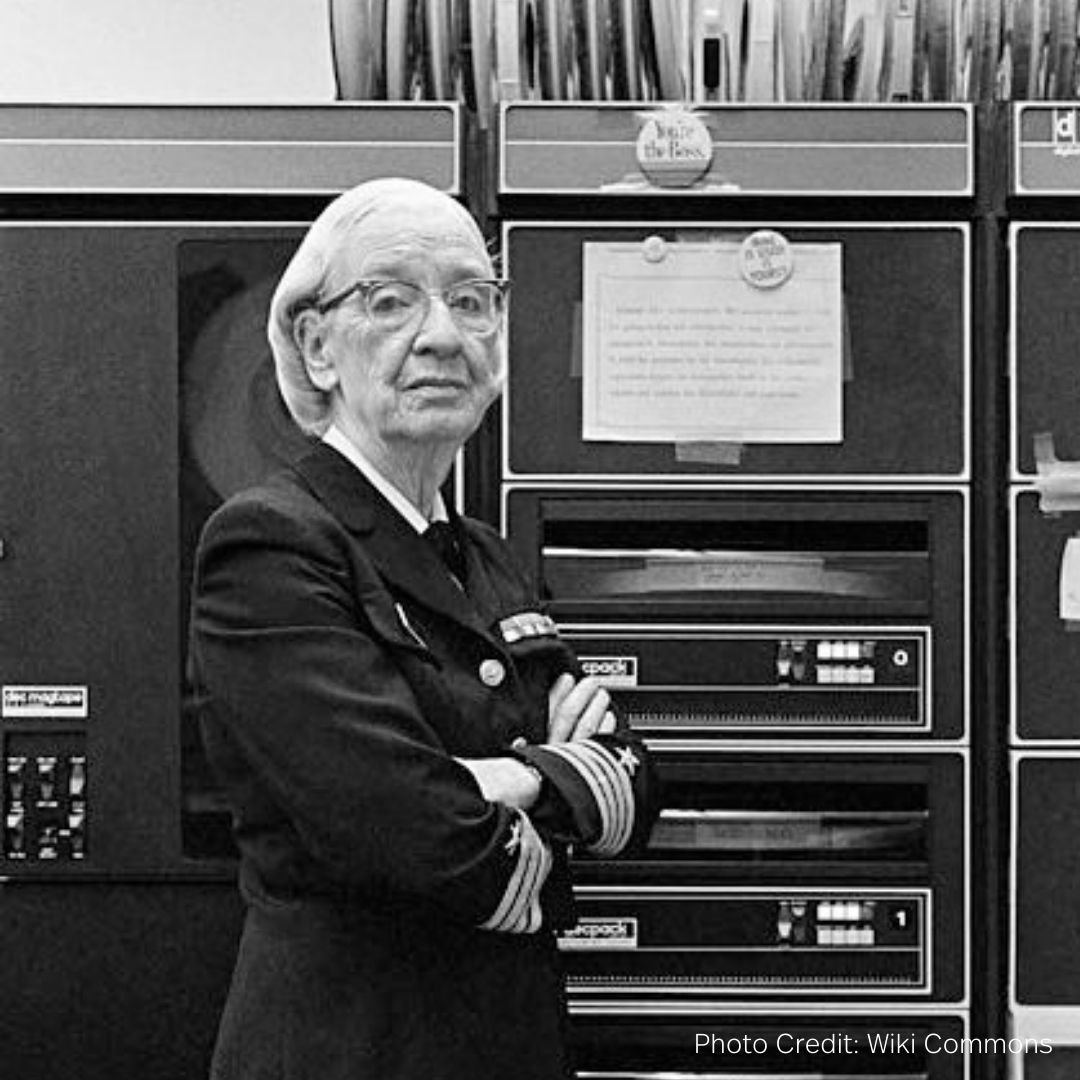
At a time of opportunity for women pursuing a career in male-dominated fields, ‘Amazing Grace’ Hopper’s story stands out as one of the most impressive.
Hopper was the first woman to earn a Ph.D. in mathematics at Yale in 1934, and was a professor of mathematics at Vassar College before pursuing a career in the military. Initially facing several rejections from the U.S. Navy due to her age, weight and height in early World War II, Hopper received an exemption in 1943 after volunteering in the Women’s Reserve to help the war effort - working in the Harvard lab on calculations used for rockets, anti-aircraft guns, minesweepers; and most notably her role as one of the first programmers of the Harvard Mark I computer. She went on to join the team developing the second commercial computer (UNIVAC I), create a compiler which translates source code into computer language and developed the early stages of COBOL (‘Common Business Oriented Language’ - one of the first modern programming languages which was extensively used around the world at the time, and is still used today). She has also been attributed to coining the term “debugging” to finding problems and resolving issues in software code – after finding a large moth inside a computer whilst working on the Mark II.
Hopper remained a Navy reservist throughout her career, where she was heavily involved with standardizing the Navy’s multiple computer languages. She officially retired as a rear admiral at the age of 79 as the oldest serving officer in the U.S. Armed Forces at that time, before passing away in 1992, aged 85. She has received more than 40 honorary degrees, countless awards including the National Medal of Technology (presented by President George Bush senior in 1991), and was awarded the Presidential Medal of Freedom by President Barack Obama posthumously in 2016.
But according to Hopper, her proudest accomplishment is “all young people she has trained over the years”. Working as a lecturer at the University of Pennsylvania and George Washington University whilst in the Navy, and speaking at many computer-related events later in her career, Hopper was a passionate advocate for the user-friendly computer programming, innovative uses of computer science and strongly encouraged students to pursue a career in technology.
Are you looking for a career change or just starting out in the job market? Whether you are interested in sectors such as Life Sciences, Mining, Renewables or Conventional Energy, you will find a broad variety of fascinating career opportunities.