AI and the Pharmaceutical Industry: How AI is Transforming Drug Discovery and Supporting Career Opportunities
November 25, 2020
Oil and Gas
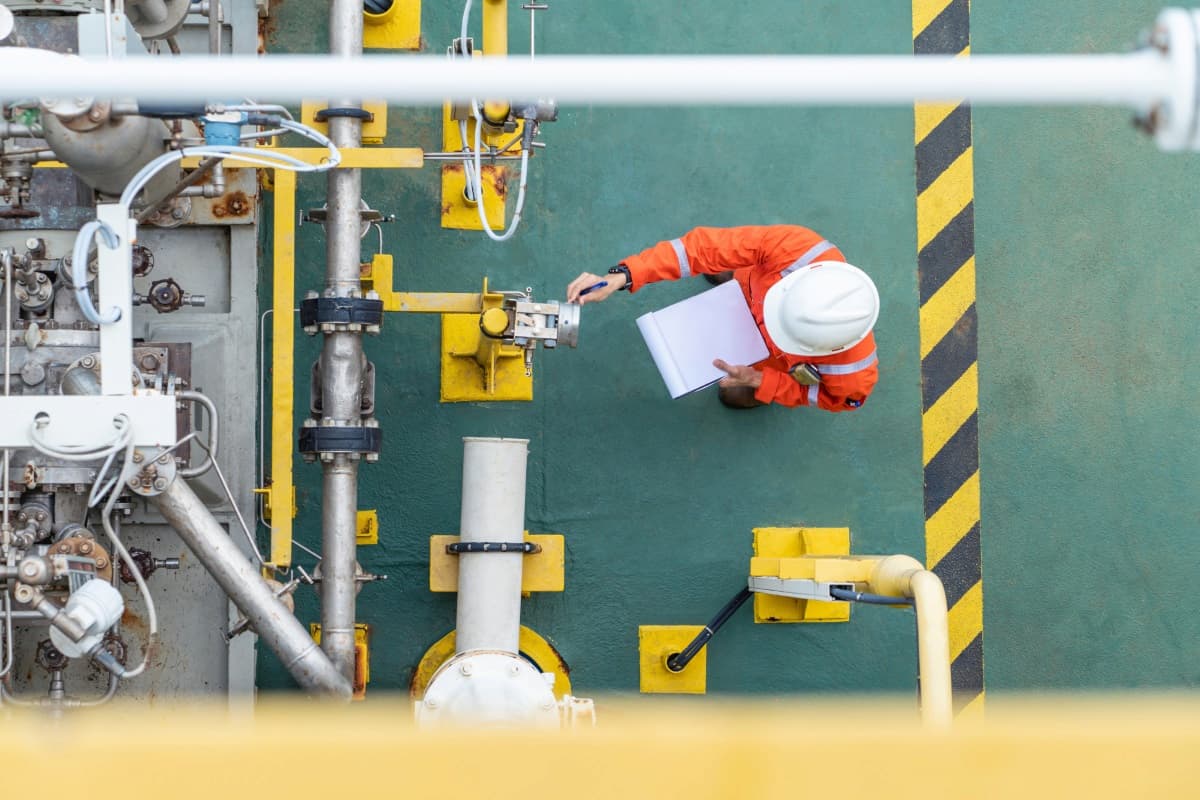
Oil and Gas
With almost every major project there are requirements for machinery, materials, equipment and products. All of these things have to be manufactured, shipped to the right place, installed correctly and finally maintained once everything is up and running. During the manufacturing, installation and operation phases, it's crucial that quality is maintained, which is where specialist Inspectors come in.
There are a huge amount of different types of Inspector, covering everything you can think of and some things you'd never even consider.
Here we're going to look at 3 of the specialists which Brunel provides to our clients.
Welding is everywhere in the modern world. Our use of metals to create everything from bicycles and cars through to oil refineries and container ships has led to the development of technology and techniques to join individual parts together.
The entire integrity of a gas pipe or the hull of an LNG tanker can be reliant on the quality of the welds which join the sections.
"A typical FPSO contains 20 km of internal safety critical welds that require detailed offshore inspection on a five-year cycle."
<Source>
Making sure these crucial welds are up to the right standard is the job of a Welding Inspector.
They don't just inspect welds though, the specialist knowledge required covers many different areas; metallurgy, procedures, consumables, destructive and non-destructive testing etc.
A career as a welding inspector can take you around the world and into a huge variety of industries and projects.
The Forth Bridge in Scotland is famous for taking so long to paint that by the time one coat has been applied, it was time to start again.
Over and over for 120 years.
Yes, really.
This was the case until new techniques were borrowed from the offshore oil & gas industry, where preventing corrosion in the toughest environmental conditions is a high priority.
To cover the 230,000sqm of steel took 240,000 litres of specially designed glass flake epoxy paint, but eventually the job was done and the painting crew got to take a break.
Any vessel or piece of equipment that is exposed to the elements needs to have its conditions checked regularly, from the day the paint or coating is applied to the moment it is decommissioned.
This is the job that a Painting & Coatings Inspector is responsible for.
HSE Inspectors can carry a lot of weight, with legal rights to access all areas of a facility or site and stop work if something is unsafe.
Health and Safety regulations and laws in industries like Oil & Gas or Renewable Energy are very strict, with good reason. Working on an oil refinery, or miles offshore on a windfarm can be dangerous, so the safety of the workers is the highest priority.
"2008 through 2017, 1,566 workers perished trying to extract oil and gas in America. About as many U.S. troops died fighting in Afghanistan during that period."
<Source>
If your company needs third party inspection services, get in touch and we can connect you with the right specialist.
Find out about our services here