
Digital Clean Up – Delete to save the planet!
November 07, 2021
Brunel Foundation
Brunel Foundation
In the digital world, similar to the environment, there is a huge amount of trash. Unnecessary emails, files, apps, duplicates of photos and videos are all digital waste. This digital trash creates digital pollution that continues to consume energy even when we have forgotten it. It sits in the backups on servers that provide us with cloud services and continue consuming electricity. The Brunel Foundation wants to bring attention to this growing digital energy consumption issue. Both businesses and individuals have a huge opportunity to make an impact in reducing digital waste.
“At Brunel, we process and store large amounts of data. It is important that we manage and process this data in a professional and responsible way. Our department is continuously looking for the best solutions to protect our data, but also to reduce our carbon footprint. We do this by examining the size of the network drives and performing clean-up actions on the databases behind the applications used. Without neglecting obligations regarding retentions in connection with, for example, AVG/GDPR but also by initiating large projects.
In 2018, we migrated all our data from our regional datacenters and partner datacenters to the Microsoft Azure Cloud. We thoroughly examined all the data in the data centers and made a design to rebuild the application servers and only migrated the necessary data. We were able to remove all duplicates and backups with no business impact. Also, all local copies and backups on external devices (such as backup tapes) could be cleaned out. This resulted in a data storage reduction of 25%.
Another milestone was creating Brunel’s Modern Workplace. This was the start of a project to enable, among other things, modern collaboration tools such as Teams, OneDrive, and SharePoint. With these tools, anyone within Brunel can use and share files in a modern way, such as sharing links instead of copies, collaborating on a project via Teams and using SharePoint instead of the legacy fileserver shares. The first data migration project around these tools is the personal network drive migration, where we move files to a user personal OneDrive, which resides in the Microsoft Cloud.
"Anyone within Brunel can use and share files in a modern way"
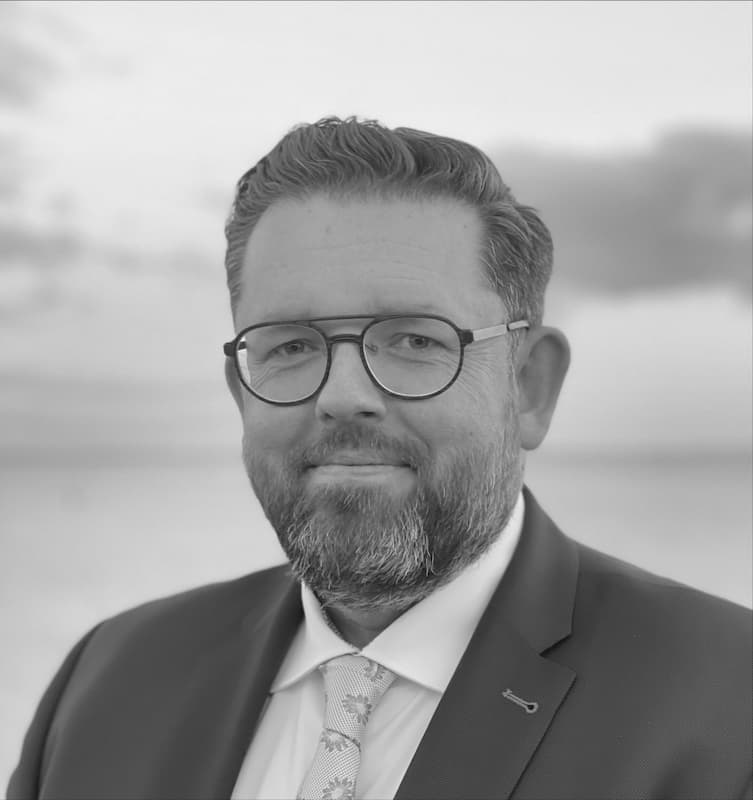
Wiljan Wander
Senior Program Manager
The next step is to phase out these legacy data shares, including the servers that currently store this data and the backups. In this process, our employees are key. We ask them to evaluate the data they save on the legacy network drives and be critical of what data they keep. Estimates are that this will reduce about 5% of the data stored on the servers.
Upcoming other projects? A project to move away from the company-wide file shares and the adoption program to use these modern tools (Teams, SharePoint and OneDrive) even more and more efficiently, with the aim of being more aware of the data we personally use, the date that we share with our team or department, and the data that should be available to the entire company.
To create maximum impact, it’s necessary to create awareness among our employees and show them what a big difference they can make. Together with the Brunel Foundation, our Global IT Department works side by side to forge new digital habits.”