Five facts about rare earth metals
November 23, 2022
Mining
Mining
What are rare earth metals, how are they used and why are they so important for our future? We unearthed five facts about this unique collection of metals that may surprise you.
Formed by supernovae (exploding stars), ‘rare earths’ are a collection of 15 metallic elements in the periodic table. They possess a range of unique magnetic, optical and catalytic properties which make them highly valuable in our modern economy. From quantum computing and medical applications to industrial processes and green technology, rare earths play a key role in life as we know it and are expected to grow increasingly important in the future. Read on to learn more about this indispensable set of metals.
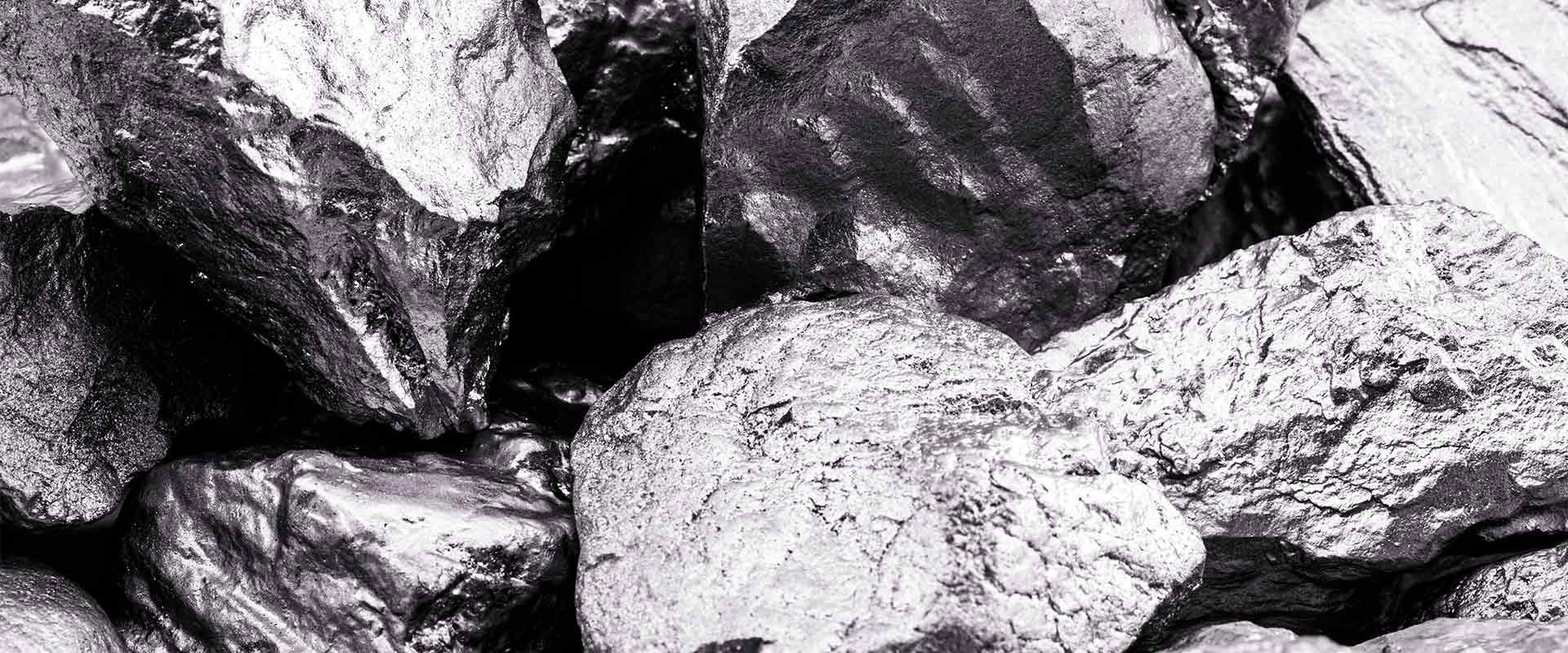
Despite their name, rare earth metals aren’t all that rare. Cerium – the most abundant of the rare earth metals – is in fact the 25th most abundant element in the world, making it as plentiful as copper. It is followed by lanthanum and neodymium; all three are more abundant than lead. The term ‘rare earth’ was coined in 1788 when a miner in Ytterby, Sweden, discovered an unusual black rock. The ore was called ‘rare’ as it had never been seen before and ‘earth’ because that was the 18th century geological term for rocks that could be dissolved in acid. Despite being quite plentiful in the earth’s crust, rare earths are scattered throughout the world, so it is difficult to find a lot in one place. Although perhaps a more accurate moniker, ‘scattered earths’ doesn’t have quite the same ring to it!

In 2021, permanent magnets accounted for the largest share of global rare earth consumption. Why? Neodymium rare earth magnets are the strongest type of permanent magnets made, enabling high tech gadgets to become smaller, cheaper and lighter while maintaining optimal pull strength. Their superior magnetic quality has allowed designers to improve the efficiency of multiple technologies, such as hybrid and electric vehicles, mobile phones, televisions, computers, wind turbines, loudspeakers, aircraft controls, robots, and factory automation equipment. Ever wonder how manufacturers have been able to shrink your smartphone over the years? You can thank the superior quality of rare earth magnets for that.

When it comes to rare earths, we really are wearing rose-tinted glasses. For many years, the rare earth elements yttrium and europium were used as phosphors to help us see the colour red on tube televisions. Compounds of gadolinium and terbium were used to make yellow-green phosphors. Mixing very small amounts of these rare earth elements into the compound served to accentuate the colour on the screen, giving it a vivid quality that was pleasing to the eye.

Perhaps one of the quirkiest uses of rare earths is in crime fighting technologies such as anti-counterfeiting. Rare earth compounds dysprosium, europium and terbium are fluorescent under ultraviolet light, making them incredibly useful in the anti-counterfeiting industry. When small amounts of these specific rare earth metals are mixed into genuine products, it is easy to identify counterfeit products when illuminated under an ultraviolet light. Not all heroes wear capes…some wear fluorescent capes.

Rare earth elements are also known as ‘green elements’ for the critical role they play in making green energy products. Driven by the world’s urgent need to reduce greenhouse-gas emissions, demand for rare earths will remain strong in the future as they are used to make a host of environmentally friendly products: from wind turbines, catalytic converters and hybrid cars to rechargeable batteries, energy efficient light bulbs and solar panels. One of the biggest uses of rare earth metals in the world is in electric bicycles; rare earth magnets are lightweight and long range, allowing for efficient zero emission transport.
