Autonomous, Connected, Efficient: The Mobility of Tomorrow
February 07, 2022
future mobility
future mobility
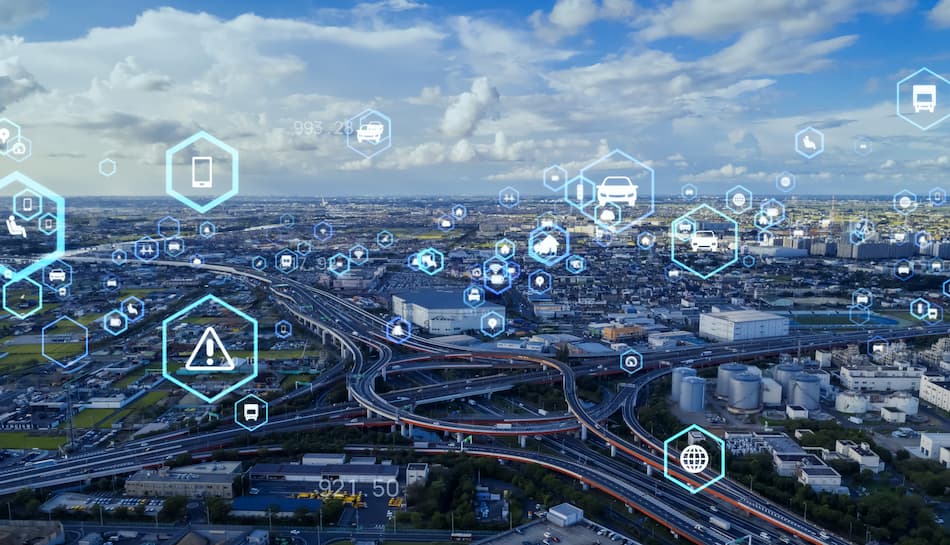
The mobility of goods and people is undergoing a process of change. Digitalisation, autonomous driving, alternative drive systems and intelligent traffic control are determining factors. A new kind of expertise is required exclusively concerning means of transport across the board. Brunel calls this trend “Future Mobility”, which goes hand in hand with business needs for companies in the mobility sector.
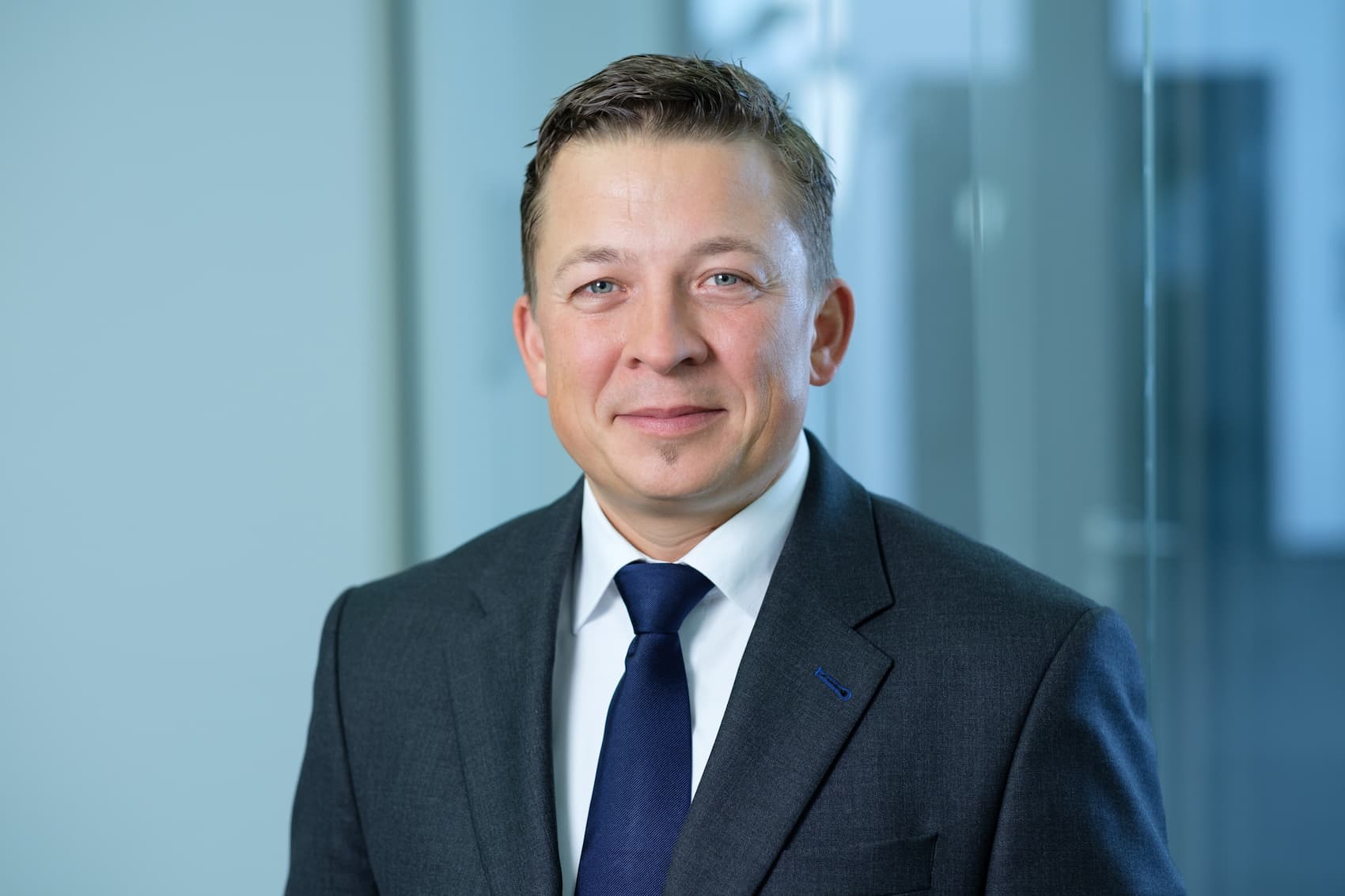
Norbert Grottke (47) studied mechanical engineering and has been working for Brunel in various functions for more than 20 years. From the beginning, he has served as an account manager and later as a branch manager for several well-known companies in the automotive industry. Today, Grottke is responsible for the activities of five Brunel branches as the business unit manager.
Whether on land, by water or in the air, the transportation of goods and people is increasingly determined by a sustainable mindset coupled with the connectivity of different means of transport. "Smart, autonomous, environmentally friendly - this is how our mobility will be shaped in the future," summarises Norbert Grottke. Whether automotive, aerospace, marine or rail transport: "In all these sectors, the challenges for companies will be in the areas of drive technology, autonomous driving and intelligent mobility." Thus, the demand for expert knowledge is high. Anticipating this development, Brunel has repositioned itself worldwide and established a new industry focus: Future Mobility.
"We are convinced that for every vehicle, the knowledge and skills of software and hardware developers, for example, is just as relevant as the knowledge and skills of mechatronics, electrical engineers or quality engineers", explains Grottke. At Brunel, he and managing director Markus Eckhardt are mainly responsible for the strategy and management of the Future Mobility approach, which is being developed and implemented by an international project team. The basic approach here is that manufacturers and suppliers, corporations, and hidden champions must respond to market requirements as the situation demands. Accordingly, they have a high demand for flexibility as well as expert knowledge in the respective fields. The former is ensured by Brunel’s various types of contracts – (managed) service & work contracts and RPO agreements. The technical know-how is provided by talented specialists who think across transportation sectors and steer their work towards innovation practices that drive companies’ projects forward. "The trends surrounding the mobile technologies of the future are diverse," says Norbert Grottke. "We have grouped them into different sectors including Powertrain Technology, Autonomous & Connected Driving, and Smart Mobility." Goals such as the reduction of CO2 emissions and climate neutrality determine current powertrain technology developments. This has resulted in conventional drive systems being increasingly optimised, supplemented or replaced - for example by (plug-in) hybrid models, battery-electric drives, or fuel cell vehicles. This trend is also accompanied by the development of new fuels, such as diesel with regenerative components.


Society has high expectations of the broad field of drive technologies, because energy-efficient, environmentally friendly yet economically viable vehicles are fundamental to greener mobility in the future. To meet these demands, testing, such as that carried out at Brunel Car Synergies in Dortmund, Germany, plays a crucial role: materials, components or entire vehicles must demonstrate that they are suitable for use in practice and withstand environmental simulation tests - such as climate and temperature, dust, and water penetration tests - as well as durability, vibration or pressure and seal tests. Furthermore, since digitalisation is also permanently changing the field of mobility while increasing the relevance of embedded systems, Brunel Car Synergies in Hildesheim, the development centre for these systems, has become increasingly involved in developing embedded systems for various clients.
Today, more and more digital technologies such as voice control or screens with interactive displays are being used within vehicles. Subsequently, leading to a more autonomous, comfortable, and safer way of driving. Safety must be mentioned twice in this context: On one hand, vehicles become safer when driving assistance systems support vehicle drivers. But on the other hand, the digital and networked technologies used must also be safe - regardless of whether they are used within the vehicles or in conjunction with other players. To realise their full potential, smart vehicles need an intelligent infrastructure to organise traffic in the best possible way. One topic of smart mobility is the communication between the various means of transportation and the coordination of individual and public transport. Fundamental to this is an efficient combination of means of transport, the smooth exchange of information between the individual players, and the optimal provision of data to Smart Mobility users to enable them to use different transport options flexibly and conveniently. "The future of mobility is multifaceted," says Norbert Grottke. "The potential is great, and we are now setting the course for how efficient and environmentally friendly humans or our goods will get from A to B in the future”. In this regard, not only is the responsibility great but the tasks ahead are also enormous and to tackle them, companies have already shifted their focus to the following issues:
According to Grottke, different solutions must be provided for the individual needs of transport users since people have different mobility requirements depending on where they live, the types of vehicles and their uses. "At Brunel, we implement this user-oriented mindset with regard to our customers by having our specialists apply their knowledge to all aspects of mobility. Everyone involved benefits from this, because thinking far outside the box drives Future Mobility forward."