
Beyond the Spectrum: Autism Traits, Strengths & Communication Tips from an Expert
May 06, 2021
Culture and Values
Culture and Values
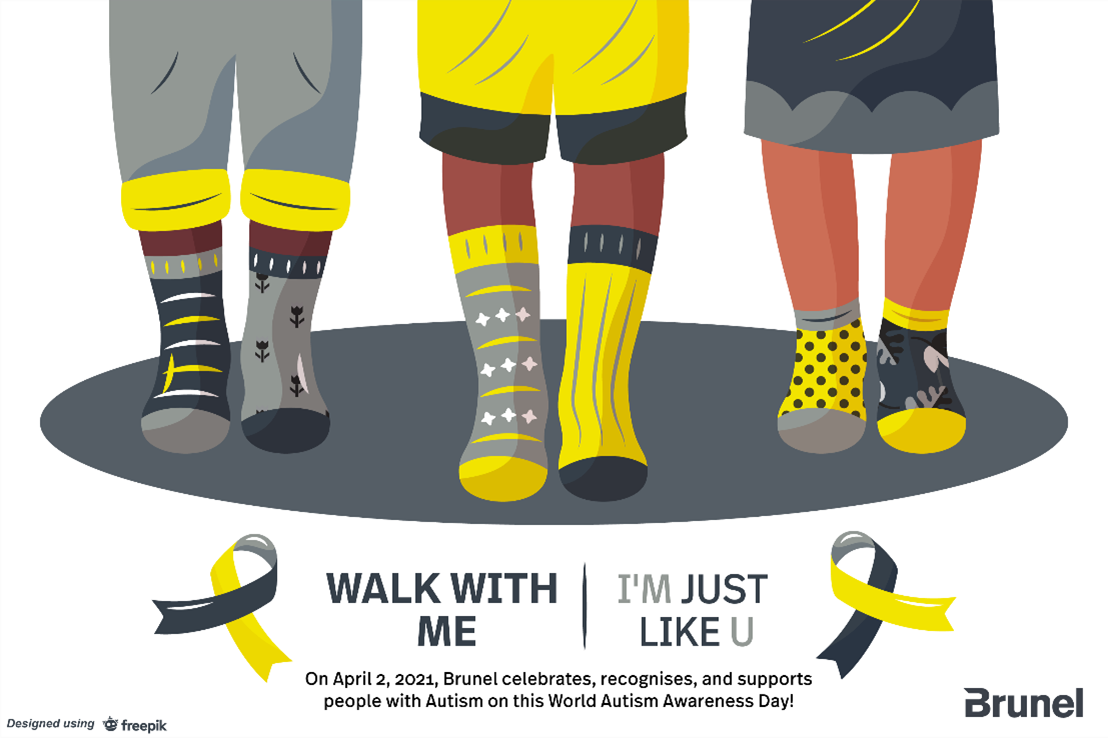
The Brunel Foundation envisions a world in which young, senior and future professionals with autism are given the same opportunities to grow and succeed as everyone else.
On World Autism Day, Brunel Middle East & India brought this vision one step closer by hosting guest speaker and autism expert Olcay Connor to learn more about Autism Spectrum Disorder (ASD), its unique traits within children, and how we can help those of all ages on the spectrum reach their full potential. Here’s what we learned.
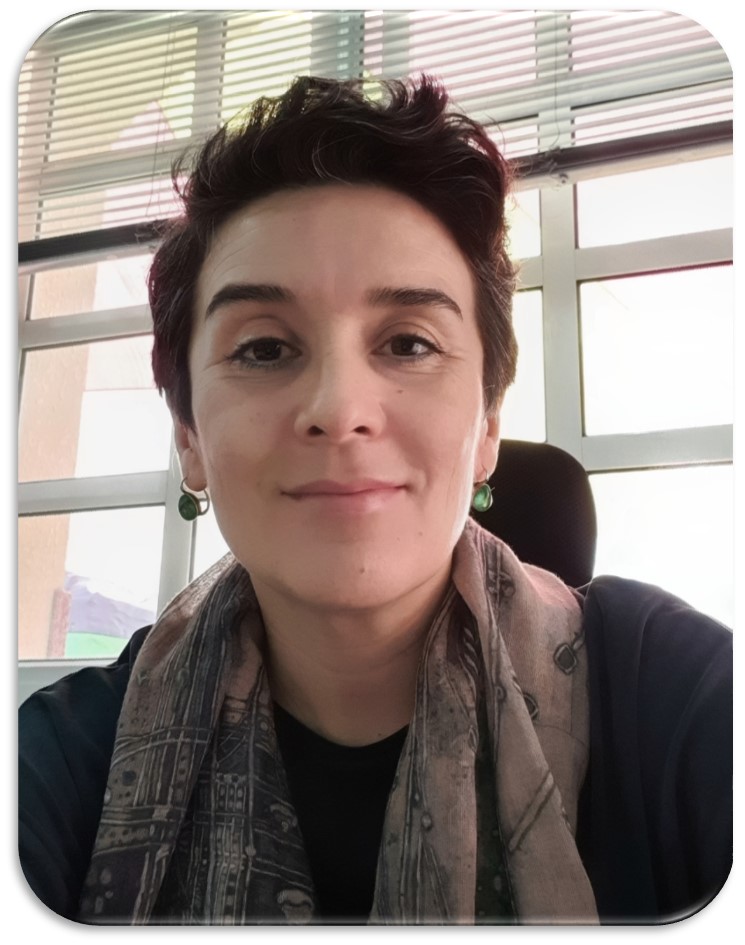
Olcay Connor is a trainer and principal of Step by Step Centre in Qatar, a service centre for those with special needs. As a member of the Qatar Autism Task Force, EarlyBird Committee (Primary Health Care Corporation) and Accessibility Forum (Supreme Committee for Delivery & Legacy), she’s devoted over a decade of her career to supporting the training, inclusion and accessibility of people with autism.
Autism Spectrum Disorder (ASD) is a hidden and lifelong neurological condition. The signs of ASD are perplexing and vary in kind and severity. Specialists categorize autism in three levels of functioning based on the levels of support needed, social communication skills and the restricted, repetitive behaviours observed.
A typically developing child has a varied progress rate, but there may be some indications that the little one is facing developmental milestone challenges. It is essential to act early and learn more about the initial signs during the preliminary stage, as the infant’s growth may be far behind the average age-specific milestones.
A lack of the following behavior could be early indicators of autism:
Individuals with autism have distinct learning abilities and behavioural characteristics. ASD affects the development and brain of a child. The attributes and actions exhibited are unique to every individual on the spectrum. They might either be overactive or underactive, prefer routine, or have restricted interests and social interactions.
Typically, early signs include poor communication skills, atypical sensory processing, lack of eye contact, and minimal or no joint attention (attention to the same item). However, early intervention can help tackle developmental challenges to ensure all skills are balanced.
Like any other growing individual, autistic personalities have particular skills, interests and strengths that enhance their learning abilities.
Some children on the spectrum might have excellent attention to detail, admirable computational skills, and passion for their hobbies, various talents, and creative sides. From being able to play an instrument to painting or drawing, you can observe a high level of motivation in topics and activities of their interest. It is advisable to capitalize on this potential by further engaging with their abilities, interests and aspirations.
Additionally, most people with autism emerge as admirable visual learners, and they have the aptitude to respond and work better with visually presented information.
In social settings, we might not always know the best ways to interact with individuals on the autism spectrum. Nonetheless, applying a few simple tips can help both you and them feel more comfortable and at ease socially.
Individuals with ASD might have little to no language capacity and thus struggle to express their feelings verbally. Regardless of the severity, they experience social language deficits and behavioural challenges. Subsequently, we need to comprehend that processing any information for them might take longer than normal.
It is therefore advisable to follow the 10-second rule:
It helps to adopt a different approach when planning something for an autistic child.
It may seem difficult to talk or rationalize actions to kids with autism, but clear and straight interactions aid in conversing with them.
At our institute, we model procedures, expectations, thinking strategies, or directions. Moreover, we provide visual supports, using photos, symbols, scripts etc. to explain the situation and the expectations within a set-up. Still, all the above-mentioned depends on the child’s pace, preference and skill level.
In summary, prompt intervention can provide the resources and support that lead to improved behaviour. We must create a supportive environment for those on the autism spectrum to learn, remain strong and practice independence.
Header image source: freepik
To learn more about how the Brunel Foundation is working to help those on the autism spectrum reach their full potential, visit the Brunel Foundation website.