Engineers and Australia’s mining industry: Roles, career paths and why finding the right recruitment partner matters
2026-03-31T05:57:04Z
engineering
engineering
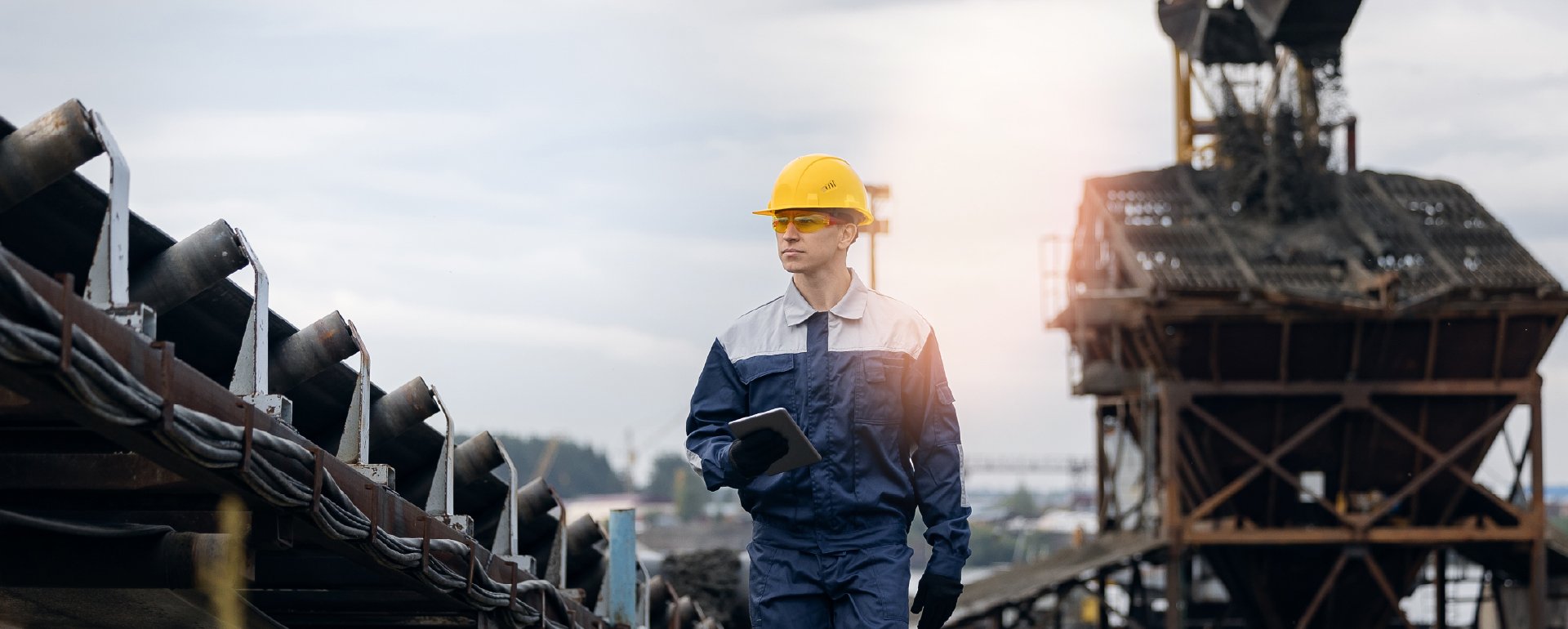
As one of the world’s foremost producers of critical minerals, Australia’s mining sector operates on an immense scale that requires a wide spectrum of technical, operational and project delivery skillsets – but none are more sought after than engineering professions.
For engineers considering their next move, mining presents a compelling opportunity. Few other industries are able to offer the same combination of competitive salary, long-term project pipeline and the ability to contribute to projects of national significance. It’s a pretty good pitch, but the enormous size of the mining industry’s appetite, mean that it is still finding itself a few engineers short. So what are the key engineering roletypes mining companies are looking for, what long-term career pathways are available, and how can recruitment agencies help source these people and skills?
Talent scarcity in Australia’s mines leapt from 34% in 2021 to 63% in 2022, making mining the second most acutely skills-short industry in the country, and positioning it as one of the most skills-constrained nationally. In 2026 there has been little sign of improvement.
According to Infrastructure Australia’s 2025 Infrastructure Market Capacity Report, regional workforce shortages are projected to surge from 38,200 in October 2025 to a peak of 181,000 by 2027 – a trend Engineers Australia has warned demands urgent national action. In Western Australia alone, the sector is expected to require more than 11,000 additional workers by 2029.
This challenge is further compounded by an ageing workforce. Nearly half of all mining engineers expected to retire within the next decade and in the meanwhile enrolments in mining-related degrees are in decline. With pressure mounting, many organisations are focused on short-term measures such as high salaries, sign-on and retention bonuses and other employee benefits and allowances in an effort to compete.
Australia’s mining operations are mostly located in remote regional areas where commercially viable deposits are found. Despite this, a significant proportion of mining engineers work predominantly from corporate offices in major cities, only venturing to site periodically.
Some engineers choose to live closer to operations – particularly in Queensland (QLD) and New South Wales (NSW) – where regional hubs such as Mackay, Rockhampton, Newcastle and the Hunter Valley support a strong population of DIDO-based workers servicing nearby mines.
In contrast, Western Australia’s (WA) key mining regions, including the Pilbara and Goldfields, are far more remote and sparsely populated, making it impractical to sustain large permanent communities. As a result, the engineers servicing these mines typically reside in the city of Perth or its surrounding areas, then stay in purpose-built accommodation villages adjacent to the mine site as part of multi-day rosters. This is referred to as Fly-In Fly-Out (FIFO) role.

Australia’s mining sector utilises on a broad mix of engineering disciplines. The following are the core engineering roletypes which Brunel supply to the industry.
Process engineers are the figurative engine room of any mineral processing operation – responsible for designing, optimising and troubleshooting the processing circuits that transform raw ore into sellable product.
Experience required: 3 – 10+ years depending on seniority; lead roles typically require 8+ years on operating processing plants.
Qualifications & certifications: Bachelor of Engineering (Chemical, Metallurgical or Process Engineering); CPEng highly regarded; RPEQ required for QLD-based roles.
Where they're hired: Pilbara (WA), Goldfields (WA), Hunter Valley (NSW), Bowen Basin (QLD), Far North (SA).
Process control systems engineers sit at the intersection of process engineering and automation – designing and maintaining the control systems including DCS, SCADA and PLC platforms. This roletype is becoming increasingly critical as mining operations advance toward greater digitalisation and remote, technology-driven environments.
Experience required: 5 – 10+ years in industrial control systems, ideally in a mining or heavy industry context.
Qualifications & certifications: Bachelor of Engineering (Electrical, Mechatronics, Chemical or Mechanical Engineering); Engineers Australia membership preferred; Chartered Professional Engineer (CPEng) highly regarded; RPEQ/RPEng required for certain state-based roles.
Bachelor of Engineering (Electrical, Instrumentation & Control or Mechatronics); functional safety certifications (TÜV FSEng) advantageous; EEHA (Electrical Equipment in Hazardous Areas) certification for site-based roles.
Where they're hired: Perth (WA), Pilbara (WA), Hunter Valley (NSW), Bowen Basin (QLD).

Reliability engineers primary focus is to maximise the uptime and performance of mining plant and equipment, using methodologies like RCM (Reliability Centred Maintenance), FMECA and Root Cause Analysis (RCA/Apollo) to eliminate defects, extend asset life and reduce unplanned maintenance costs.
Experience required: 7 – 10+ years in fixed plant maintenance or asset management on mine sites.
Qualifications & certifications: Bachelor of Engineering (Mechanical or Electrical); SAP/CMMS proficiency; RCM/FMECA training; vibration analysis or thermography certifications advantageous.
Where they're hired: Pilbara (WA), Weipa (QLD), Bowen Basin (QLD), Goldfields (WA).
Commissioning engineers oversee the safe and systematic handover of a new or upgraded plant from construction to operational status. E&I commissioning engineers focus on electrical systems, instrumentation loops, VSDs, HV/LV systems and control systems, while mechanical commissioning engineers focus on rotating equipment, vessels and structural systems.
Experience required: 5 – 10+ years on large-scale mineral processing plant commissioning.
Qualifications & certifications: Bachelor of Engineering (Electrical, Mechanical or Instrumentation); WA 'A' Grade Electrical Licence for E&I roles; EEHA certification; HV switching authority.
Where they're hired: Across all major mining states during project construction phases such as Western Australia (Pilbara, Goldfields), Queensland (Bowen Basin, North Queensland) and Northern Territory (Groote Eylandt, Gulf Country).
Civil engineers manage the physical infrastructure needed to keep a mine operational – this includes haul roads, tailings storage facilities (TSFs), ROM pads and site drainage, through to buildings and structural foundations.
Experience required: 5+ years for project-level roles.
Qualifications & certifications: Bachelor of Engineering (Civil); CPEng; RPEQ (QLD) or registered with state authority; specific experience in TSF design or management is highly valued.
Where they're hired: Perth (WA), Brisbane (QLD), Pilbara (WA), Bowen Basin (QLD), Hunter Valley (NSW), Far North (SA).
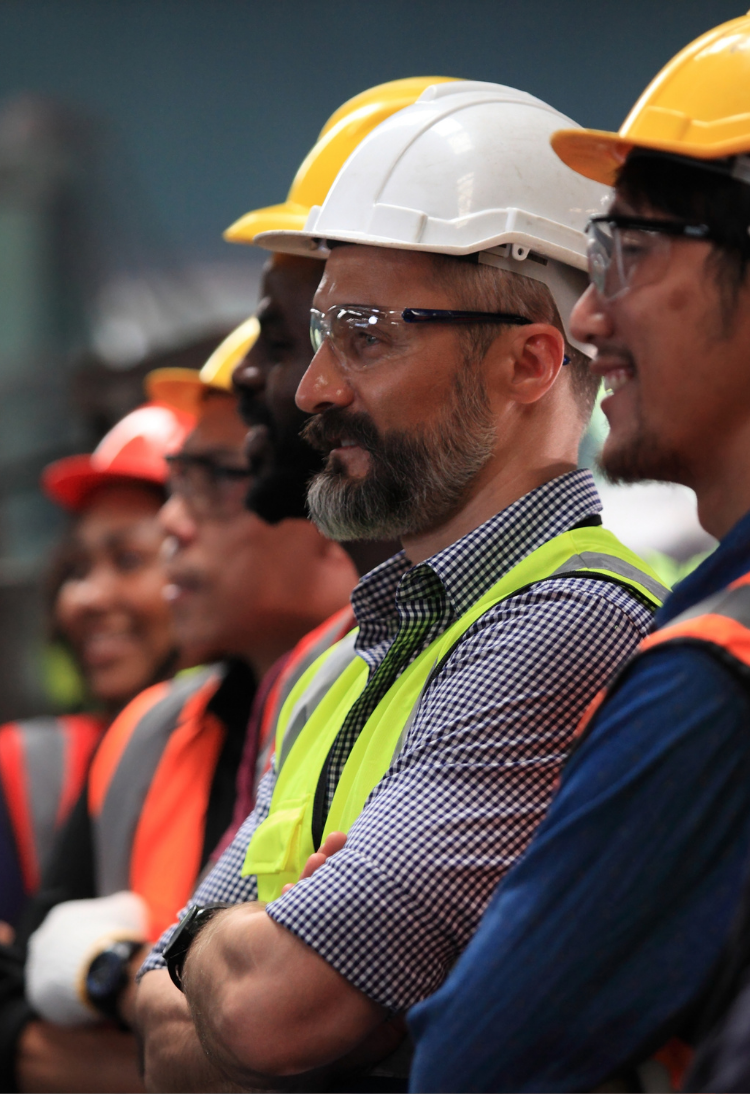
Controls and Instrumentation (C&I) engineers design, install, calibrate and maintain the instrumentation and control systems that measure and regulate process variables across a mine site.
Experience required: 0 – 2 years for graduates, through to 8+ years for senior roles.
Qualifications & certifications: Bachelor of Engineering (Instrumentation, Electrical, or Mechatronics); EEHA certification; WA 'A' Grade Electrical Licence for senior site roles.
Where they're hired: Perth (WA), Brisbane (QLD), Pilbara (WA), Bowen Basin (QLD), Newcastle (NSW).
Water engineers manage one of the mining sector’s most critical and tightly regulated resources. They design and operate water supply, treatment and distribution systems while ensuring compliance with environmental discharge requirements.
Experience required: 3 – 8+ years in water engineering.
Qualifications & certifications: Bachelor of Engineering (Civil, Environmental, or Chemical); membership with AWA (Australian Water Association); Environmental authorisations and discharge licence experience; RPEQ desirable.
Where they're hired: Pilbara (WA), Goldfields (WA), Bowen Basin (QLD), Far North (SA).

QA engineers establish, implement and audit the quality management systems that ensure construction, fabrication and installation work on a mine site meets project specifications, regulatory standards and client requirements. They review inspection test plans (ITPs), manage non-conformance reports (NCRs) and liaise between construction contractors and project owners.
Experience required: 5 – 10+ years in quality management on resources or heavy industrial projects.
Qualifications & certifications: Bachelor of Engineering (any discipline); ISO 9001 Lead Auditor certification; NDT qualifications advantageous; knowledge of AS/NZS standards.
Where they're hired: Across all major mining project states during construction phases in WA, QLD, NSW, NT and SA.
SMP (Structural, Mechanical and Piping) and E&I (Electrical & Instrumentation) Project Engineers manage the delivery of defined scopes within a larger project by coordinating contractors, managing schedules, tracking progress and resolving technical issues. Mining Systems Project Engineers focus specifically on the digital and automation systems underpinning modern mining operations.
Experience required: 3 – 8+ years in project engineering on resource industry or industrial projects.
Qualifications & certifications: Bachelor of Engineering (Mechanical, Electrical or Structural); project management training (PMI/AIPM); familiarity with project controls tools (Primavera P6, MS Project).
Where they're hired: Perth (WA), Pilbara (WA), Bowen Basin (QLD), Hunter Valley (NSW).
Engineering Managers lead entire engineering functions for a mine site or business unit, setting technical standards, overseeing teams of engineers and owning the capital project and asset management strategy. The Head of Asset Engineering & Project Delivery role adds accountability for long-range asset investment planning and portfolio delivery.
Experience required: 15+ years; demonstrated leadership of multidisciplinary engineering teams; significant capital project delivery experience.
Qualifications & certifications: Bachelor of Engineering (any relevant discipline); CPEng mandatory; postgraduate qualifications in engineering management or MBA advantageous; RPEQ (QLD).
Where they're hired: Perth (WA), Brisbane (QLD), Adelaide (SA); site-based roles in Pilbara (WA) and Bowen Basin (QLD).
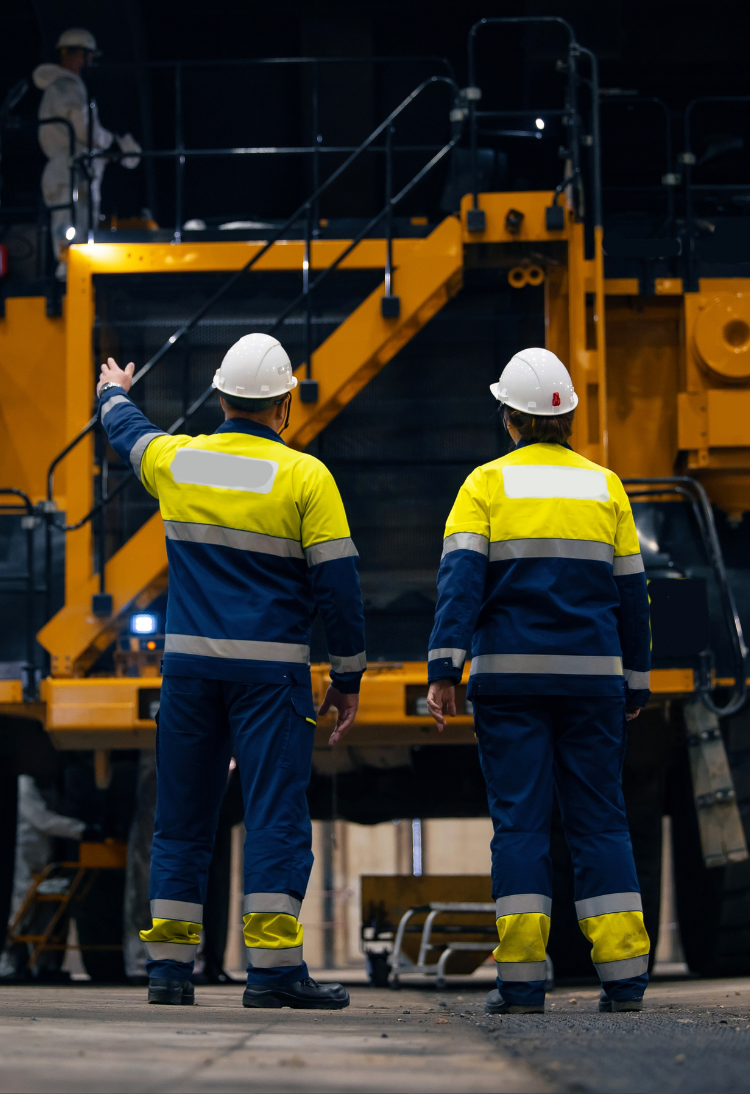
Geotechnical engineers assess and manage ground behaviour to ensure the structural integrity and safety of mine excavations, slopes, tunnels and underground workings. They conduct rock mechanics analysis, design ground support systems for underground mines, assess open pit slope stability and monitor for ground movement risks. Their work is critical to preventing catastrophic slope failures or underground collapses.
Experience required: 3 – 10+ years; senior roles typically require demonstrated experience managing geotechnical risk on an operating site independently.
Qualifications & certifications: Bachelor of Engineering (Geotechnical, Civil, or Mining Engineering); CPEng highly regarded; RPEQ required for QLD roles; postgraduate qualifications in rock mechanics or geomechanics advantageous (e.g. UNSW, WA School of Mines); Underground Supervisor's Certificate for site-based underground roles.
Where they're hired: Goldfields (WA) Pilbara (WA), Bowen Basin (QLD), Kalgoorlie (WA), Broken Hill (NSW), Gulf Country (NT).
Metallurgical engineers (also called metallurgists) are responsible for understanding how ore is processed and maximising the recovery of valuable minerals from it. They conduct test work, analyse plant performance data, recommend process improvements and troubleshoot issues in processing circuits such as flotation, leaching, gravity separation and smelting.
Experience required: 3 – 10+ years; process plant or laboratory experience essential; senior roles require demonstrated improvement of plant recovery metrics.
Qualifications & certifications: Bachelor of Engineering (Metallurgical, Chemical, or Materials Engineering); membership with AusIMM (Australasian Institute of Mining and Metallurgy); CPEng desirable; RPEQ (QLD); postgraduate qualifications in extractive metallurgy advantageous.
Where they're hired: Goldfields (WA), Pilbara (WA), North Queensland, Far North (SA), Gulf Country (NT).
Structural engineers in mining are responsible for the design, assessment and certification of mine infrastructure including processing plant steelwork, conveyor structures, headframes, ROM bins, processing vessels and buildings. In the current decarbonisation and plant upgrade environment, structural engineers are increasingly involved in assessing legacy infrastructure for modification, life extension and repurposing.
Experience required: 5 – 12+ years; experience with mining or heavy industrial structures preferred over general civil-structural backgrounds.
Qualifications & certifications: Bachelor of Engineering (Structural or Civil Engineering); CPEng; RPEQ mandatory in QLD for signing off structural designs; experience with AS 4100 (Steel Structures) and AS 3600 (Concrete Structures); NZS/AS standards for dynamic loading on plant structures.
Where they're hired: Perth (WA), Brisbane (QLD), Pilbara (WA), Bowen Basin (QLD), Hunter Valley (NSW).
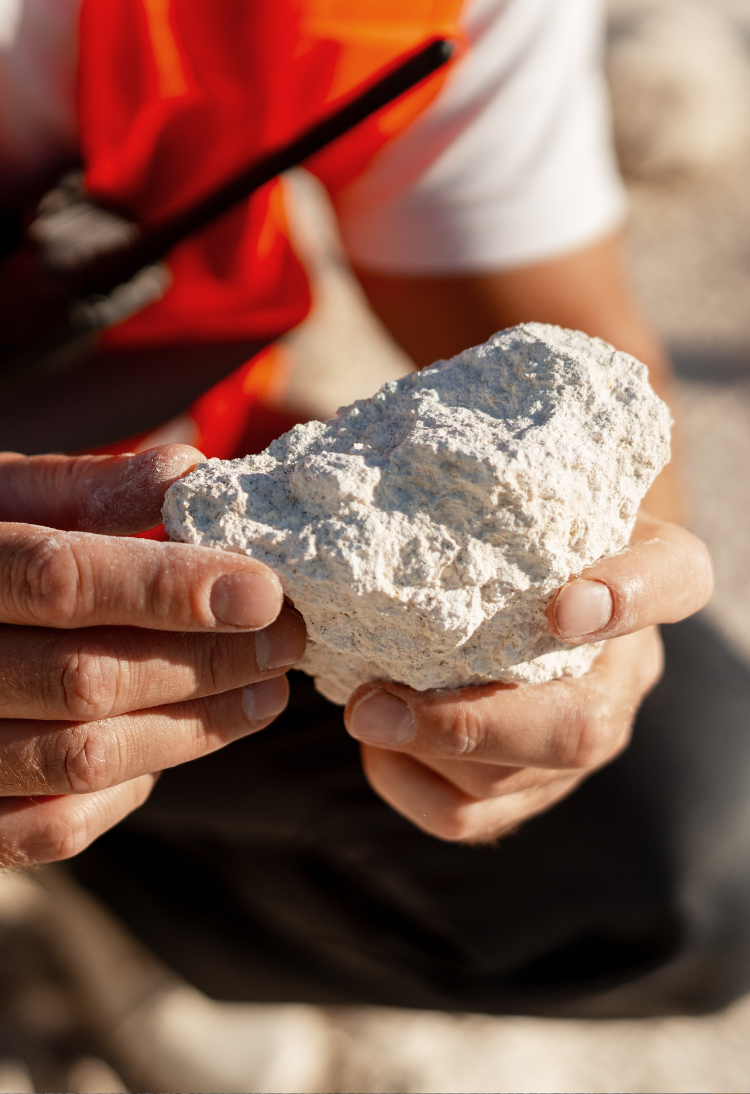
Environmental engineers in mining manage the interface between mining operations and the surrounding environment. They develop and implement environmental management plans, manage regulatory approvals and compliance reporting, oversee tailings storage facility (TSF) management, handle acid mine drainage programs, and lead rehabilitation planning at end-of-mine-life. With ESG obligations intensifying, this role has become a non-negotiable on every major mine site.
Experience required: 3 – 10+ years in environmental approvals or compliance, ideally within the resources sector; TSF experience is particularly sought after.
Qualifications & certifications: Bachelor of Engineering (Environmental or Chemical Engineering) or Bachelor of Environmental Science; RPEQ (QLD) or relevant state registration; AENV (Certified Environmentalist) through the Environment Institute of Australia and New Zealand (EIANZ); knowledge of EPBC Act approvals and state environmental legislation.
Where they're hired: Perth (WA), Brisbane (QLD), Adelaide (SA), Pilbara (WA), Bowen Basin (QLD), Gulf Country (NT), Far North (SA).
Distinct from E&I Project Engineers who deliver capital works, Electrical Maintenance Engineers are embedded in mine site operations to maintain, troubleshoot and optimise HV/LV electrical systems, transformers, switchgear, VSDs, motors and earthing systems on operating plant. They develop maintenance strategies, respond to electrical failures and ensure ongoing compliance with electrical safety regulations. This role is in particularly high demand during shutdowns and turnarounds.
Experience required: 5 – 10+ years in electrical maintenance on mine sites or heavy industrial operations; shutdown/turnaround experience highly valued.
Qualifications & certifications: Bachelor of Engineering (Electrical) or Trade qualification with engineering degree bridging; WA 'A' Grade Electrical Licence (or state equivalent); EEHA certification (IECEx/ATEX); HV switching authority; CPEng desirable for senior roles.
Where they're hired: Pilbara (WA), Goldfields (WA), Bowen Basin (QLD), Hunter Valley (NSW), Weipa (QLD).
Mine planning engineers are responsible for designing the short, medium and long-term extraction strategy for a mine which determines where to mine, in what sequence and at what rate to maximise the value of the ore body while maintaining safety and compliance.
Experience required: 3 – 10+ years; graduate roles focus on short-term scheduling under supervision; senior roles own long-term strategic mine plans and feasibility inputs.
Qualifications & certifications: Bachelor of Engineering (Mining Engineering) or Bachelor of Science (Geology or Earth Sciences); proficiency in mine planning software – Surpac, Vulcan, Datamine, or Deswik; Underground Supervisor's Certificate or Mine Manager's Certificate for site-based senior roles; RPEQ (QLD); CPEng desirable.
Where they're hired: Kalgoorlie (WA), Goldfields (WA), Pilbara (WA), Bowen Basin (QLD), Broken Hill (NSW), Gulf Country (NT), Far North (SA).
Becoming a mining engineer in Australia is a long-term commitment – one that combines formal education, supervised experience, statutory training and professional registration. Here's how typical career progression might unfold, from undergraduate study through to engineering manager level.

Sourcing skilled mining engineers in Australia is rarely straightforward. In a market this competitive, choosing the right recruitment partner can make a measurable difference to your bottom line. Tight labour conditions, stringent statutory requirements and the complexities of remote and FIFO operations all demand an agency with a deep understanding of the industry, the needs of clients and expectations of talent within this space. A level of expertise which Brunel has demonstrated many times over in the past 25 years of supporting Australia’s mining workforce
Founded in 1975 by engineer Jan Brand as one of the first agencies dedicated exclusively to engineering roles, Brunel Australasia continues to build on that legacy. Our team of mining specialists understand the full spectrum of technical, professional and skilled trades required across every discipline and phase of a project – spanning feasibility and design through to geology and metallurgy, construction and commissioning, followed by ongoing maintenance and site rehabilitation. Acting as an extension of your team, Brunel can help you scale your workforce quickly while ensuring compliance and enabling you to secure the talent needed to deliver complex projects on time and on budget.
Whether you’re struggling to find a single niche engineering specialist or need to mobilise a large, skilled workforce, Brunel can customise a solution structured through a range of recruitment and managed service models to suit your specific requirements.
When you partner with Brunel, you gain access to a 45+ country global network of technical talent, as well as a team with the expertise to identify, onboard and mobilise hard-to-find professionals into Australia. From visas and compliance to travel and accommodation, we manage the logistics – so you can stay focused on delivering your project.

Brunel’s engineering experts specialise in identifying and attracting the high-caliber permanent and contract talent necessary to scale your projects.
From mining and oil & gas to construction and renewable energy, we simplify the sourcing process so you can focus on powering the planet.
Location: Henderson
hrs a week: 0 hrs a week
Closing: 11 April 2026
Location: New South Wales
hrs a week: 0 hrs a week
Closing: 12 April 2026
Location: Brisbane
hrs a week: 84 hrs a week
Closing: 10 April 2026
Location: Wangara
hrs a week: 40 hrs a week
Closing: 23 April 2026