
Defence terms building Australia's sovereign capability
Australia is entering a pivotal defence modernisation phase, shifting from a traditional balanced force to a focused, integrated defence posture across land, sea, air, cyber and space. Driven by the Defence Strategic Review, the National Defence Strategy and AUKUS, this transformation is reshaping how capabilities are conceived, acquired and sustained – from nuclear‑powered submarines and guided weapons to uncrewed systems, C4ISR and zero‑trust cyber architectures.
As major programs such as SSN‑AUKUS, Virginia-class acquisition, Hunter Class frigates, Ghost Shark and broader Indo‑Pacific force‑posture initiatives gather pace, Australia is investing heavily in sovereign capability, industrial uplift and workforce mobilisation. This glossary introduces key defence, security and workforce‑related terminology used in the Australian context, helping readers navigate concepts that underpin Brunel’s work supporting defence recruitment across air, land and sea, and complementing our resources on renewable energy and energy‑transition, technology, recruitment services and broader industry glossaries.
Defence glossary
AUKUS: AUKUS is the trilateral security partnership between Australia, the United Kingdom and the United States, announced in September 2021. It operates across two pillars: Pillar I focuses on delivering Australia a conventionally armed, nuclear-powered submarine (SSN) capability, and Pillar II covers advanced capability development across quantum technologies, artificial intelligence, hypersonics and advanced cyber. The breadth of AUKUS programs is generating significant demand across Australia for naval engineers, systems integrators, cybersecurity specialists, project directors, trades professionals and sovereign industrial workforce at every level.
Advanced Strategic Capabilities Accelerator (ASCA): The Advanced Strategic Capabilities Accelerator (ASCA) is an Australian Government initiative launched to fast-track the development and acquisition of advanced defence technologies, with an initial $7.2 billion commitment. ASCA acts as a bridge between government, academia and industry to rapidly deliver emerging capabilities such as autonomous underwater vehicles including the Ghost Shark program into Australian Defence Force (ADF) service.
Australian Government Security Vetting Agency (AGSVA): The Australian Government Security Vetting Agency (AGSVA) is the central body responsible for conducting and managing personnel security clearances across the Commonwealth. AGSVA assesses candidates against criteria including Australian citizenship, financial history, residential stability and employment background, issuing Baseline, NV1 and NV2 clearances to those working on sensitive or classified defence projects.
Australian Defence Force (ADF): The Australian Defence Force (ADF) is the unified military organisation of Australia, comprising the Royal Australian Navy (RAN), the Australian Army and the Royal Australian Air Force (RAAF). The ADF operates across five domains land, sea, air, cyber and space and is undergoing its largest capability uplift in decades, driven by the 2024 National Defence Strategy and the AUKUS partnership. This expansion is driving demand for both uniformed personnel and a large supporting civilian and contractor workforce spanning engineering, logistics, ICT, project management and sustainment disciplines.
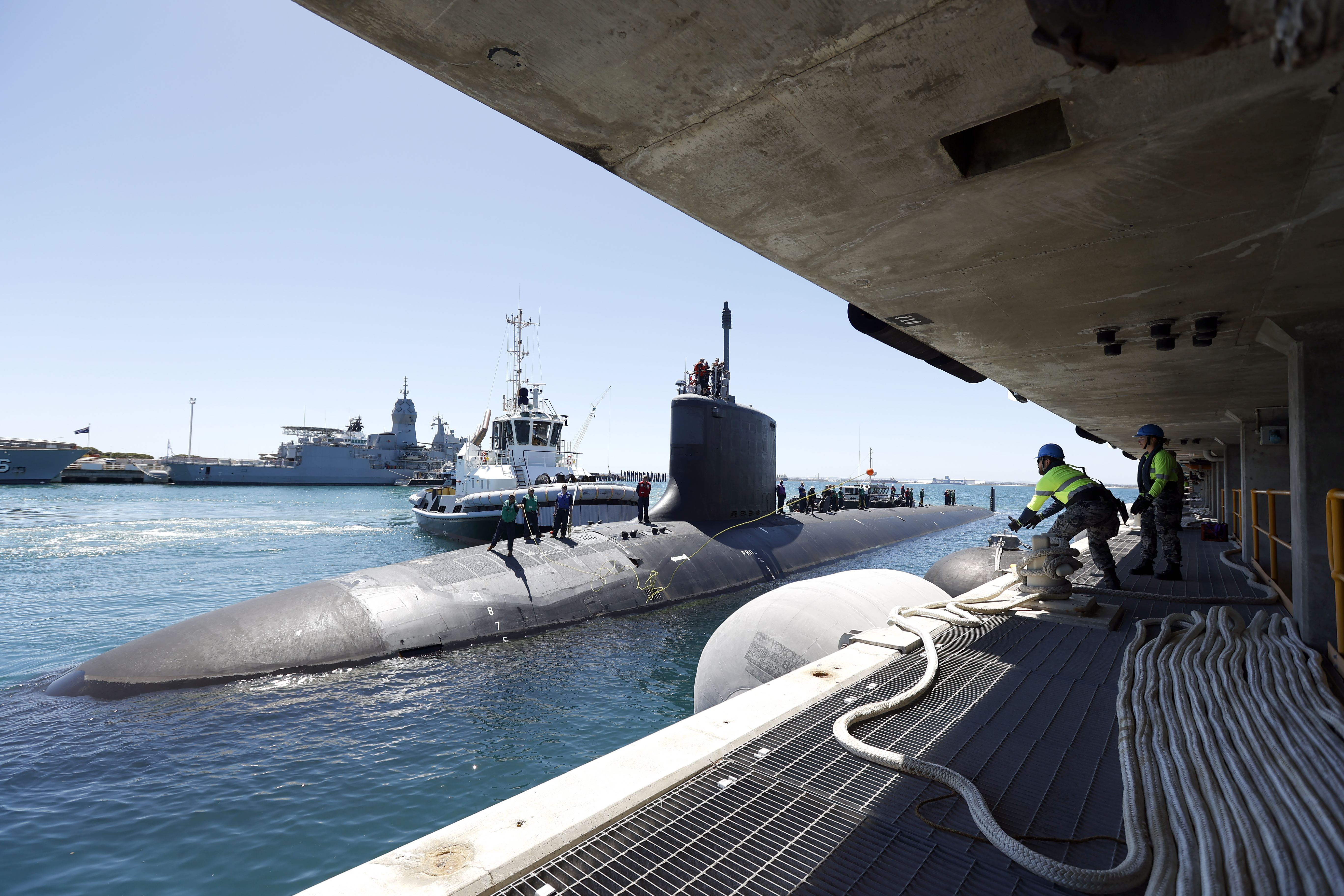
Australian Submarine Agency (ASA): The Australian Submarine Agency (ASA) is the Commonwealth entity established to manage and oversee the delivery of Australia's nuclear-powered submarine program under AUKUS. The ASA coordinates the industrial, workforce, regulatory and diplomatic efforts required to safely acquire, build, operate and sustain a sovereign SSN fleet, with first delivery of Virginia-class submarines targeted for the early 2030s.
Amphibious operations: Amphibious operations involve the coordinated deployment of military forces from sea to land, combining naval, air and land elements to conduct assault or other military activities on a hostile or potentially hostile shore. These programs require landing craft engineers, amphibious logistics planners, maritime systems operators and combined-arms training coordinators.
Baseline security clearance: A Baseline security clearance is the entry-level personnel security clearance issued by AGSVA, required for individuals who need access to PROTECTED-level government information or assets. In the context of Australia's defence industry, a Baseline clearance is often a minimum requirement for contractor and professional roles on projects involving non-public defence information and can typically be processed concurrently with onboarding on unclassified scopes of work.
Command, Control, Communications, Computers, Intelligence, Surveillance and Reconnaissance (C4ISR): C4ISR is an integrated defence capability framework that combines the command systems, communication networks, computing infrastructure, intelligence gathering, surveillance assets and reconnaissance tools. In Australia, C4ISR investment is a priority under the National Defence Strategy, with programs spanning satellite communications, electronic warfare systems and integrated joint command infrastructure across all five domains.
Capability Life Cycle (CLC): The Capability Life Cycle (CLC) is the Australian Department of Defence's framework for managing defence capabilities from concept through to retirement, encompassing phases of needs analysis, development, acquisition, in-service management and disposal. Professionals involved in CLC management include capability managers, project directors, program controllers, risk and assurance specialists and defence acquisition advisers.
Collins-class submarine: The Collins-class is Australia's current fleet of six conventionally powered submarines, operated by the Royal Australian Navy. This sustainment program is creating sustained demand for submarine systems engineers, trades professionals, maintenance technicians, ILS specialists and program managers in South Australia and Western Australia.

Contractor management: Contractor management in the defence context refers to the processes and systems used by prime contractors and government agencies to engage, administer, onboard and maintain oversight of contracted personnel working on defence programs. In Australia, effective contractor management includes managing DISP compliance, security clearance status, qualifications verification and work-order governance across complex multi-tier supply chains.
Defence Delivery Group (DDG): The Defence Delivery Group (DDG) is the consolidated Australian Department of Defence entity formed on 1 July 2026 through the merger of the Capability Acquisition and Sustainment Group (CASG), the Guided Weapons and Explosives Ordnance Group (GWEO) and the Naval Shipbuilding and Sustainment Group (NSSG). The DDG is responsible for the acquisition, manufacture, supply chain management and sustainment of military equipment, platforms and materiel across the ADF.
Defence Industry Security Program (DISP): The Defence Industry Security Program (DISP) is the Australian Government's membership-based framework for assessing and managing the security risk of private sector organisations working with the Department of Defence. DISP membership is mandatory for companies handling classified defence information, weapons, controlled technologies or sensitive ICT systems. Engagement with DISP creates demand for security officers, ICT security specialists, compliance managers, governance advisers and physical security professionals within defence industry suppliers.

Defence Strategic Review (DSR): The Defence Strategic Review (DSR) was Australia's landmark 2023 strategic assessment, which fundamentally reshaped national defence posture by recommending the transition from a 'balanced force' to a 'focused force'. The DSR underpins the 2024 National Defence Strategy and Integrated Investment Program, collectively committing over $330 billion in defence investment to 2033–34.
Electronic warfare (EW): Electronic warfare refers to military operations that use electromagnetic energy to attack, protect or exploit the electromagnetic spectrum, encompassing electronic attack (jamming), electronic protection and electronic support (signals intelligence). EW programs create demand for signals engineers, electromagnetic spectrum managers, EW systems analysts, integration testers and specialist EW program managers.
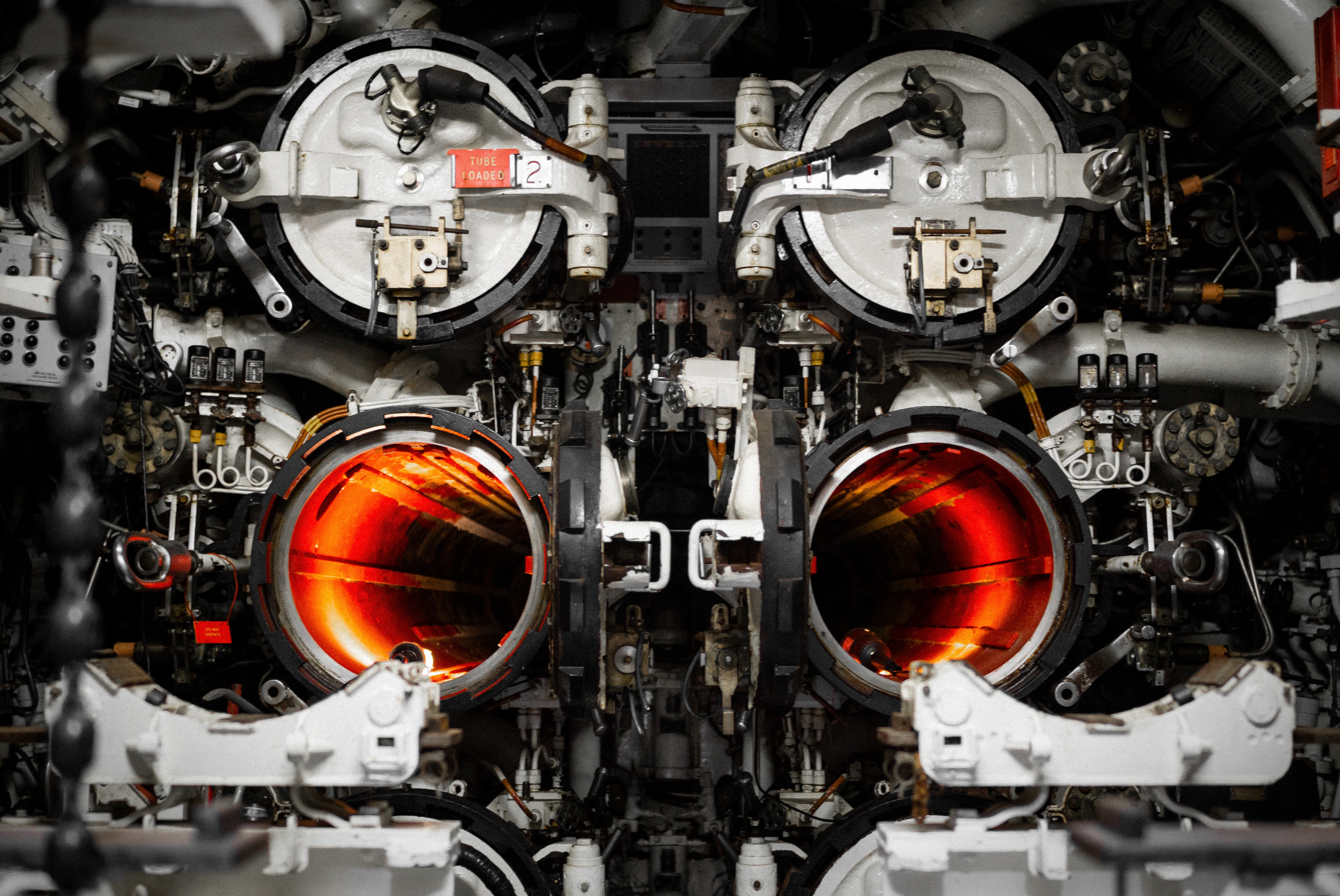
Explosive Ordnance (EO) / Guided Weapons and Explosives Ordnance (GWEO): Explosive ordnance encompasses all munitions, missiles, bombs, torpedoes, rockets and guided weapons used by the Australian Defence Force. Australia's Guided Weapons and Explosives Ordnance (GWEO) enterprise is a sovereign capability initiative to develop domestic manufacture and stockpile of guided weapons and EO, reducing reliance on imported munitions. GWEO programs require munitions engineers, production specialists, logistics and supply chain professionals, quality assurance officers and program managers with experience in controlled goods and technical manufacturing.
Five Eyes (FVEY): The Five Eyes is the intelligence sharing alliance between Australia, Canada, New Zealand, the United Kingdom and the United States, enabling the sharing of signals intelligence, human intelligence and geospatial data under strict security protocols. Australia's participation in Five Eyes informs joint capability development under AUKUS and access to Five Eyes intelligence programs typically requires high-level security clearances.
Focused force: Focused force is the strategic organisational concept adopted by Australia following the 2023 Defence Strategic Review, replacing the previous 'balanced force' model with a leaner, more potent capability set oriented around specific strategic risks. Translating this concept into capability creates demand for strategic planners, capability program managers, acquisition specialists and systems integrators across the priority capability domains.

Ghost Shark: The Ghost Shark is Australia's large autonomous underwater vehicle (AUV) program, developed by Anduril Australia in partnership with the Department of Defence and selected as the inaugural Mission 0 program under the Advanced Strategic Capabilities Accelerator (ASCA). The Ghost Shark is designed to deliver long-range autonomous undersea capabilities for the Royal Australian Navy. This program is creating demand for autonomy engineers, software developers, subsea systems specialists, integration test engineers and program managers in the autonomous systems sector.
Henderson Precinct: The Henderson Defence Precinct near Perth, Western Australia, is a major naval industrial area that serves as a hub for shipbuilding, maintenance and repair of Royal Australian Navy vessels, and will become a key home-port facility for AUKUS nuclear-powered submarines. The Australian Government has committed funding for a new defence precinct at Henderson to support the basing and sustainment of Australian, UK and US submarines under the AUKUS Submarine Rotational Force-West initiative. Development of the Henderson Precinct is driving demand for civil and marine engineers, construction project managers, shipyard trades, logistics professionals and facilities infrastructure specialists.
Hunter Class frigate: The Hunter Class Frigate Program (SEA 5000) is Australia's acquisition of six next-generation anti-submarine warfare frigates, being built at the Osborne Naval Shipyard in South Australia at a projected cost exceeding $45 billion. The Hunter Class Frigate Program creates sustained demand for naval architects, marine systems engineers, combat systems integrators, project managers, quality assurance professionals and trades at Osborne.
Integrated Logistics Support (ILS): Integrated Logistics Support (ILS) is a disciplined, unified approach to managing all the support elements required to sustain a defence system throughout its operational life, including maintenance planning, spare parts management, technical documentation, training and obsolescence management. ILS professionals including ILS managers, logistics analysts, reliability engineers and supply chain specialists are in sustained demand across all major Australian defence platform programs.
Indo-Pacific: The Indo-Pacific refers to the strategic region spanning the Indian Ocean and the Pacific Ocean, within which Australia's primary security interests are located. Australia's National Defence Strategy identifies the Indo-Pacific as the critical geographic context for all defence planning, alliance partnerships and capability investment, including AUKUS, Force Posture initiatives and regional engagement with partners across Southeast Asia and the Pacific.
 Integrated Investment Program (IIP): The Integrated Investment Program (IIP) is the Australian Government's published plan for defence capability investment, detailing how over $330 billion in funding will be allocated across land, sea, air, cyber and space domains out to 2033–34. The IIP provides industry and investors with visibility of major programs including nuclear-powered submarines, Hunter Class frigates, guided weapons, cyber capabilities and northern basing enabling long-term industrial and workforce planning.
Joint capabilities: Joint capabilities refers to the ability of the Australian Defence Force to integrate and operate effectively across all three services - Army, Navy and Air Force - as well as across the cyber and space domains, in a unified and coordinated manner. Australia's National Defence Strategy emphasises the development of joint capabilities to achieve 'integrated focused force' outcomes. Defence professionals specialising in joint operations, interoperability, combined-arms planning and enterprise architecture are increasingly central to Australia's capability development programs.
Joint Strike Fighter (JSF) / F-35A: The F-35A Lightning II is Australia's frontline multirole combat aircraft, acquired under the Air 6000 program, with 72 aircraft entering service with the Royal Australian Air Force. The F-35 program creates demand for aerospace engineers, avionics technicians, logistics support specialists, simulation engineers and combat systems professionals at RAAF bases across Australia.
Land domain: The land domain encompasses all military operations conducted primarily on land, including the deployment, sustainment and combat employment of Army forces, combined with enabling capabilities in fires, logistics, engineering and communications. Land domain programs create demand for mechanical and electrical engineers, project managers, land systems testers, logistics planners and specialist trades.
Maritime domain: The maritime domain encompasses all military and civilian activities in, on and under the sea, including naval operations, underwater warfare, maritime surveillance and sea lines of communication protection. Australia's Integrated Investment Program prioritises maritime capability with projected investment of up to A$69 billion in surface sea capabilities and up to A$76 billion in undersea warfare, reflecting the centrality of the sea to Australia's strategic outlook. Maritime programs create demand for naval architects, marine engineers, combat systems specialists, logistics and sustainment professionals and project managers at shipyards across South Australia and Western Australia.
National Defence Strategy (NDS): The National Defence Strategy (NDS) is Australia's overarching strategic policy document. First released in 2024, it sets out the government's assessment of Australia's security environment and the strategy, force structure and investment required to defend Australia and its interests. The NDS shapes the entire Australian defence investment environment and creates demand for strategic advisers, policy analysts, capability planners and senior program professionals.
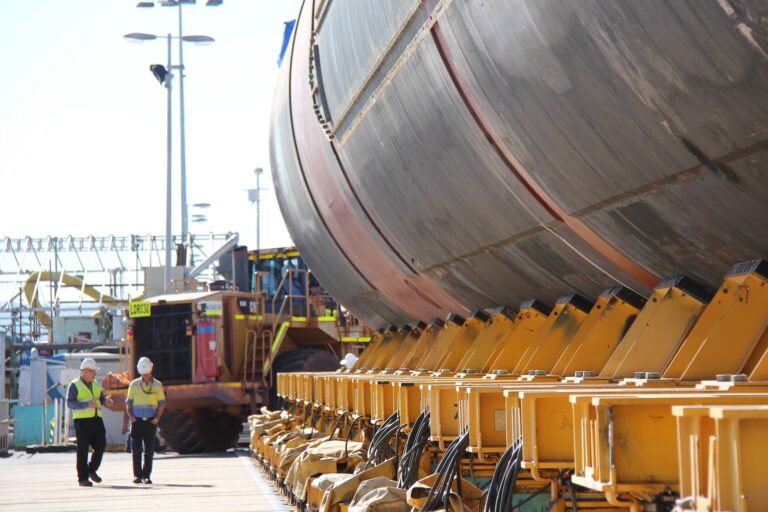
Naval shipbuilding: Naval shipbuilding refers to the design, construction, integration and testing of naval vessels including submarines, frigates, patrol vessels and support ships within a sovereign or allied industrial base. Australia's Continuous Naval Shipbuilding and Sustainment (CNSS) program - backed by $159 billion over the coming decades - is centred at the Osborne Naval Shipyard in South Australia and the Henderson Precinct in Western Australia. This program underpins demand for naval architects, marine and structural engineers, outfitting trades, combat systems integrators, project managers and ILS professionals in sustained numbers over a 30-year pipeline.
Negative Vetting Level 1 and Level 2 (NV1 / NV2): Negative Vetting Level 1 (NV1) and Negative Vetting Level 2 (NV2) are the two higher-tier personnel security clearances issued by AGSVA, required for access to SECRET and TOP SECRET classified defence information respectively. Holding an NV1 or NV2 clearance significantly expands the range of sensitive programs a contractor or professional can work on, making cleared individuals among the most sought-after in the defence labour market.
Osborne Naval Shipyard: The Osborne Naval Shipyard in South Australia is Australia's primary naval construction facility, home to the build programs for the Hunter Class frigates. Osborne will be the centrepiece of Australia's sovereign submarine industrial base and is expected to sustain thousands of direct and indirect jobs for decades. Osborne creates demand for shipbuilders, outfitters, engineers, project managers, quality assurance professionals, trades and ICT infrastructure specialists across a multi-decade program.
 Operational Technology Cybersecurity (OT Cybersecurity): Operational Technology (OT) cybersecurity refers to the protection of hardware and software systems that directly monitor and control physical processes such as combat management systems, shipboard control networks, SCADA environments and weapons platform electronics from cyber threats. OT cybersecurity creates demand for OT security engineers, penetration testers, incident response specialists, systems architects and cyber compliance professionals with defence accreditation.
Primes / prime contractors: Prime contractors (commonly called 'primes') are the major defence industry companies that hold direct contracts with the Australian Department of Defence for the delivery of major capability programs, including design, build, integration and through-life support. Primes and their supply chains create demand across a wide range of engineering, project management, commercial, ICT and trades disciplines throughout all phases of the capability life cycle.
Programme controls: Programme controls refers to the integrated set of processes, systems and tools used to plan, monitor and manage the cost, schedule and performance of complex defence programmes. Programme controls professionals, including project controls engineers, schedulers, cost analysts, earned value management specialists and risk advisers, are in high demand across Australian defence prime contractors and their sub-contractors.
Quantum technologies: Quantum technologies encompass a new generation of sensing, computing and communications capabilities that exploit quantum mechanical phenomena. Under AUKUS Pillar II, Australia, the UK and the US are jointly investing in quantum technologies as one of the six priority advanced capability areas, with applications including quantum-enhanced navigation and sensing for submarine detection. Quantum program development creates demand for quantum physicists, photonics engineers, software developers, cryogenics specialists and research program managers.
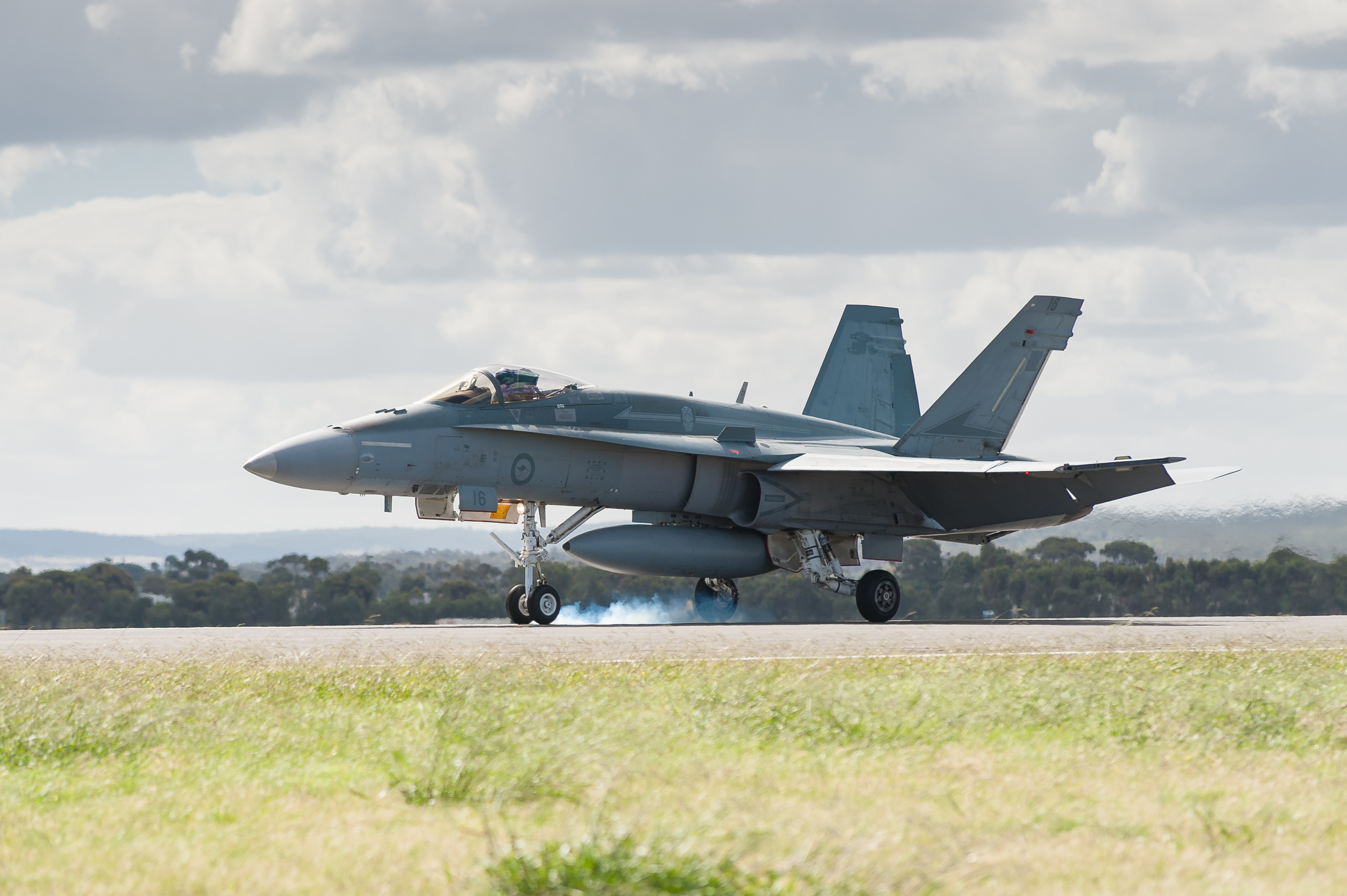 Royal Australian Air Force (RAAF): The Royal Australian Air Force (RAAF) is the air and space component of the Australian Defence Force, responsible for air combat, maritime patrol, airlift, intelligence, surveillance and reconnaissance and space capabilities. RAAF programs create demand for aerospace and avionics engineers, systems integrators, logistics support specialists, intelligence analysts and program management professionals. RAAF programs create demand for aerospace and avionics engineers, systems integrators, logistics support specialists, intelligence analysts and program management professionals.
Royal Australian Navy (RAN): The Royal Australian Navy (RAN) is the maritime component of the Australian Defence Force, responsible for naval operation, maritime patrol, amphibious operations and hydrographic services. RAN capability programs create sustained demand for naval architects, marine engineers, combat systems specialists, trades, ILS professionals and project managers at HMAS Stirling, Osborne, Henderson and across Australia's naval bases.
Recruitment Process Outsourcing (RPO): Recruitment Process Outsourcing (RPO) is a workforce model in which an employer transfers part or all of its recruitment function to an external specialist provider. In the defence context, RPO arrangements are used by prime contractors and government entities to manage high-volume, specialised hiring, particularly during major program ramp-up phases, ensuring rigorous candidate screening, security clearance pre-qualification and onboarding compliance.
Security Clearance: A security clearance is an authorisation granted by the Australian Government through AGSVA, permitting individuals to access classified or sensitive defence information and assets at specified classification levels. Security clearances are a fundamental requirement for the majority of roles in the Australian defence industry, and the time taken to process clearances is a significant factor in workforce planning for major programs. Recruitment specialists with experience in defence clearance processes, including Brunel's defence team, help candidates and clients navigate AGSVA requirements to minimise delays.
SEA 1000 (Attack Class): SEA 1000 (also referred as the Future Submarine program) was the original Australian program designed for the acquisition of 12 conventionally powered Attack-class submarines, subsequently cancelled in September 2021 in favour of the AUKUS nuclear-powered submarine pathway. The legacy of SEA 1000 and the transition to AUKUS SSN reflects Australia's evolving approach to sovereign industrial capability.
Sovereign Capability: Sovereign capability refers to Australia's ability to design, manufacture, sustain and operate critical defence equipment and systems domestically, reducing dependence on foreign suppliers for mission-critical platforms and technologies. Building sovereign capability is a central theme of Australia's National Defence Strategy, driving investment in naval shipbuilding, guided weapons manufacture, advanced electronics and the development of a domestic submarine industrial base. Sovereign capability initiatives create demand for engineers, trades, manufacturing specialists, quality assurance professionals and supply chain managers across Australia's industrial base.
SSN-AUKUS: SSN-AUKUS is the next-generation nuclear-powered attack submarine being jointly developed by Australia, the United Kingdom and the United States, based on the UK's next-generation submarine design and incorporating advanced technologies from all three nations. Australia plans to build its first SSN-AUKUS at Osborne, South Australia, with delivery expected in the early 2040s, along with the UK's Royal Navy also operating the class. The SSN-AUKUS program is one of the most complex industrial endeavours in Australian history, requiring naval architects, nuclear stewardship specialists, weapons systems engineers, project directors and a large trades and manufacturing workforce.
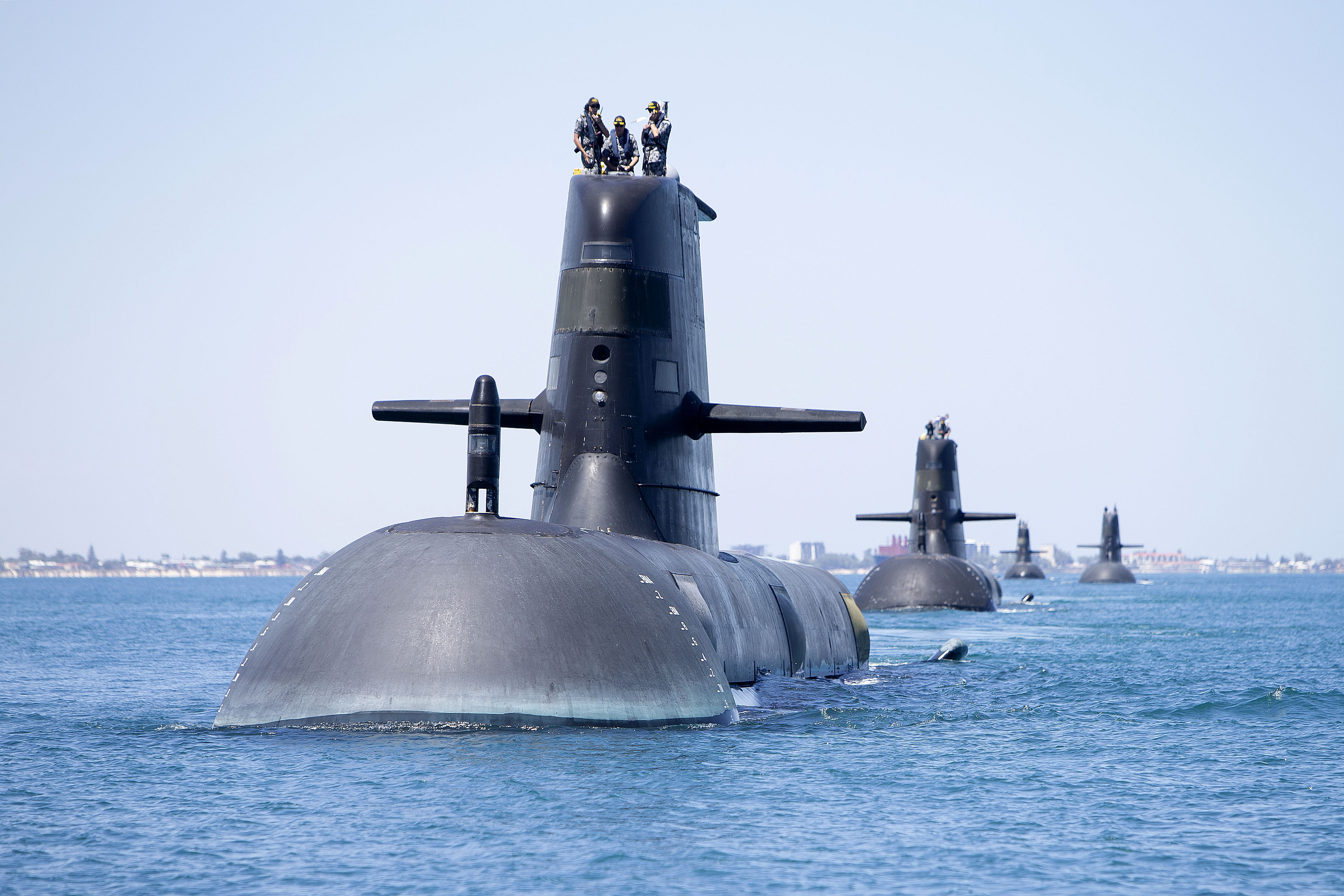
Submarine Rotational Force-West (SRF-West): The Submarine Rotational Force-West (SRF-West) is the initiative under AUKUS by which US Virginia-class and UK Astute-class nuclear-powered submarines will rotate through HMAS Stirling (Fleet Base West) in Western Australia from as early as 2027, building Australia's capacity to host, maintain and operate nuclear-powered submarines ahead of receiving its own fleet. Roles created by SRF-West include submarine maintenance technicians, nuclear stewardship professionals, infrastructure project managers, logistics coordinators and base support personnel.
Supply chain management: Supply chain management in the defence sector involves the end-to-end sourcing, procurement, manufacturing, distribution and sustainment of components, materials and systems required to build and maintain defence platforms and equipment. In Australia's large-scale defence programs, supply chains extend across hundreds of local SMEs and global partners, requiring rigorous oversight to meet quality standards, security obligations and delivery schedules. Supply chain professionals including procurement specialists, inventory managers, vendor qualification specialists and contract managers are a critical but often overlooked workforce segment in Australia's sovereign defence industrial base.
Systems engineering: Systems engineering is the interdisciplinary approach to designing, integrating and managing complex engineering systems throughout their life cycle, ensuring that all components function together as intended and that requirements are met at system level. In Australia's defence context, systems engineering is a critical discipline across all major capability programs, from combat system design to software integration, platform testing and in-service support. Systems engineers are among the most sought-after professionals in the Australian defence sector, with demand spanning naval, land, air, cyber and space programs.
Targeting: Targeting is the process of selecting and prioritising objectives for military action, identifying what to engage, with what capability, at what time - to achieve operational and strategic effects. Australia's investment in long-range strike, C4ISR and joint capabilities is placing growing emphasis on the targeting discipline, including the integration of intelligence, surveillance, reconnaissance and precision strike assets into coherent kill chains. Targeting professionals, including intelligence analysts, operational planners, geospatial specialists and systems engineers, are in growing demand across the ADF and supporting defence industry.
Uncrewed Systems (UxS): Uncrewed systems (UxS) encompass autonomous and remotely operated platforms operating in the air (UAVs/drones), on and beneath the sea surface (USVs and UUVs) and on land (UGVs), increasingly used for ISR, logistics, strike and force protection missions. Australia is investing significantly in uncrewed systems under both AUKUS Pillar II and the ASCA program, with platforms such as the Ghost Shark AUV and MQ-28A Ghost Bat forming the leading edge of an autonomous systems fleet. UxS programs create demand for software and autonomy engineers, systems integrators, human-machine teaming specialists, test and evaluation engineers and program directors.
Virginia-class submarine: The Virginia-class is the United States Navy's most advanced nuclear-powered attack submarine, three examples of which Australia will acquire from the US in the early 2030s. The Virginia-class acquisition represents Australia's first sovereign nuclear-powered submarine capability and will require unprecedented workforce development, infrastructure investment and regulatory frameworks to safely operate and sustain. Planning for the Virginia-class is driving demand for nuclear stewardship professionals, submarine systems engineers, trained submariners, ILS specialists and infrastructure project managers.
Whole-of-nation approach: A whole-of-nation approach to defence integrates not only the Australian Defence Force but also government agencies, industry, research institutions and civil society into a unified national effort to address strategic risks. Australia's 2023 Defence Strategic Review and 2024 National Defence Strategy both call for a whole-of-nation approach, recognising that a credible and resilient defence capability requires industrial, academic and community participation alongside military capability. This approach creates demand for defence-industry partnership specialists, workforce development professionals, STEM engagement leads and government relations experts across the broad defence ecosystem.
 Workforce mobilisation: Workforce mobilisation in the defence sector refers to the process of identifying, qualifying, clearing and deploying personnel both uniformed and civilian contractor to support the ramp-up of major capability programs. Given the scale of Australia's defence investment pipeline and the relative scarcity of pre-cleared, technically qualified professionals, effective workforce mobilisation is a critical operational requirement. Brunel's defence team specialises in end-to-end workforce mobilisation, drawing on deep technical talent networks across resources, engineering and infrastructure sectors to build sovereign capability pipelines for Australia's defence programs.
Zero-trust architecture: Zero-trust architecture is a cybersecurity model in which no user, device or system, whether inside or outside a network, is automatically trusted, and all access must be continuously verified and authorised. In the Australian defence context, zero-trust principles are increasingly mandated for ICT systems handling sensitive or classified information, reflecting the sophisticated cyber threats faced by government and industry from state and non-state actors. Zero-trust implementation creates demand for cybersecurity architects, identity and access management specialists, network security engineers, cloud security professionals and compliance officers working within DISP-certified defence environments.
Need help sourcing defence talent?
Brunel's defence industry experts can connect you with personnel through a variety of recruitment and staffing solution models.